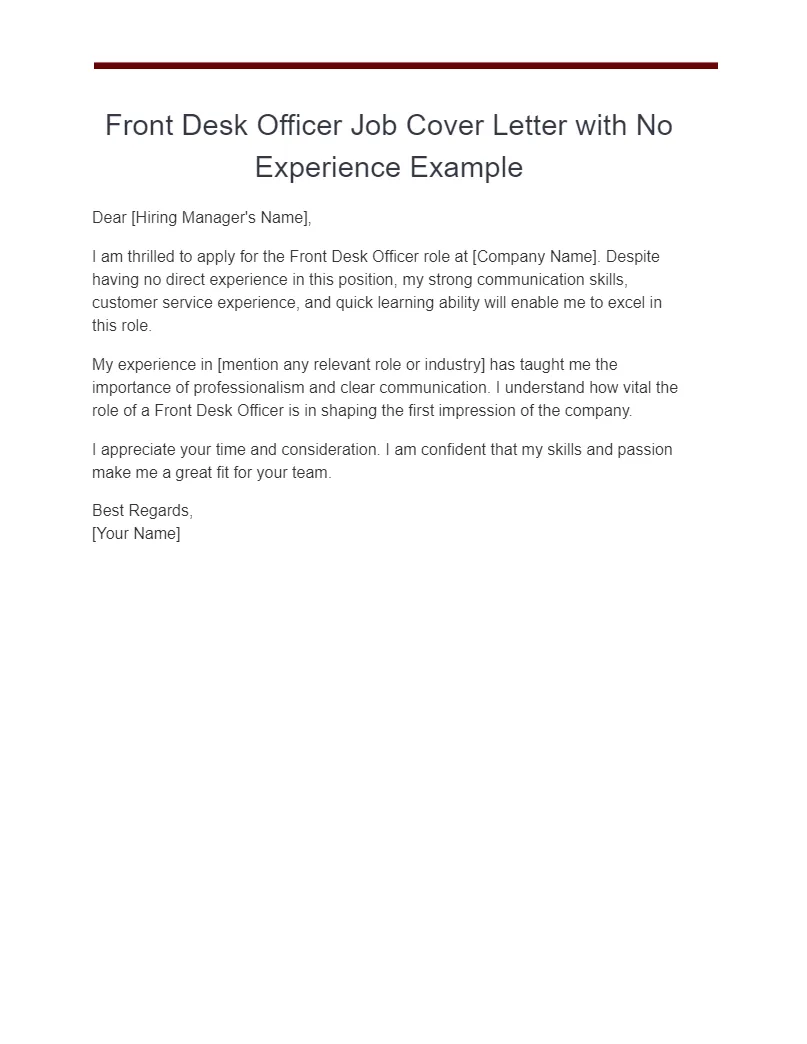
Landing an administrative job without prior experience can seem daunting, but it’s entirely achievable. A well-crafted cover letter is your secret weapon. This guide will walk you through creating a compelling cover letter that highlights your strengths, even if you’re new to the field. We’ll cover everything from identifying transferable skills to showcasing your enthusiasm and formatting your letter for maximum impact. By the end, you’ll have the tools and confidence to make a strong first impression and secure that interview.
Highlighting Transferable Skills
When you lack direct experience, transferable skills become your most valuable asset. These are the skills you’ve gained in other roles, volunteer work, education, or personal experiences that are relevant to the administrative position. Think of these skills as the foundation upon which you’ll build your administrative career. Identifying and effectively communicating these skills in your cover letter is crucial for demonstrating your potential to employers. It bridges the gap between your current experience and the requirements of the job, showing that you can adapt and learn quickly. This proactive approach showcases your understanding of the role and your eagerness to contribute.
Identify Your Skills
Start by brainstorming a comprehensive list of your skills. Consider all areas of your life, not just previous jobs. Think about tasks you excel at, things people compliment you on, and areas where you consistently demonstrate proficiency. Are you organized, detail-oriented, and a strong communicator? Do you have experience managing projects, coordinating schedules, or handling customer inquiries? These are all transferable skills. Don’t underestimate the value of soft skills like teamwork, problem-solving, and time management. The goal is to create a detailed inventory of your abilities, which you’ll then tailor to the specific requirements of the administrative role.
Examples of Transferable Skills

Here are some examples of transferable skills that are highly valued in administrative roles
- Communication Skills (written and verbal)
- Organization and Time Management
- Attention to Detail
- Problem-solving
- Customer Service
- Teamwork and Collaboration
- Computer Proficiency (Microsoft Office, etc.)
- Adaptability and Learning Agility
- Project Management
- Data Entry and Analysis
When describing these skills in your cover letter, provide specific examples of how you’ve used them. Instead of simply stating that you’re organized, describe a time when your organizational skills helped you complete a project efficiently. The more concrete your examples, the more convincing your cover letter will be.
Formatting Your Cover Letter
The format of your cover letter is just as important as its content. A well-formatted letter is easy to read, professional, and demonstrates your attention to detail. Poor formatting can create a negative first impression and detract from the strength of your application. Keep your cover letter concise, clear, and visually appealing. The goal is to showcase your skills and enthusiasm in a professional and engaging manner. This is your first impression, so make it count. Proper formatting ensures that your message is received clearly and effectively, increasing your chances of getting noticed.
Proper Cover Letter Structure
Follow a standard cover letter structure. This typically includes:
- Your Contact Information: Name, address, phone number, and email address.
- Date: The date you are sending the cover letter.
- Recipient’s Information: The hiring manager’s name and title (if known), and the company’s address.
- Salutation: Use a formal greeting, such as “Dear Mr./Ms. [Last Name]”, or “Dear Hiring Manager”.
- Body Paragraphs: The main content of your cover letter, explaining your interest in the position, highlighting your skills, and showcasing your enthusiasm.
- Closing: A professional closing, such as “Sincerely” or “Best regards”.
- Your Signature: (If printing and mailing)
Adhering to this structure ensures a professional and organized presentation.
Key Sections of Your Cover Letter

Each section of your cover letter plays a crucial role in conveying your qualifications and personality.
- Opening Paragraph: State the position you’re applying for and how you learned about it. Briefly mention your enthusiasm and highlight a key skill or two.
- Middle Paragraphs: This is where you elaborate on your skills and experiences, providing specific examples to support your claims. Tailor these examples to match the requirements of the job description.
- Closing Paragraph: Reiterate your interest in the position, thank the hiring manager for their time, and express your eagerness for an interview.
Each paragraph should have a clear purpose and contribute to your overall goal of securing an interview.
Showcasing Your Enthusiasm
Your cover letter should be more than just a list of your skills; it should also convey your genuine enthusiasm for the position and the company. Hiring managers are looking for candidates who are genuinely interested in the role and the organization. This passion can set you apart from other applicants and make a lasting impression. Showcasing your enthusiasm demonstrates that you’re not just looking for any job; you’re looking for the right job. This level of engagement can make a significant difference in your application’s success.
Expressing Genuine Interest
Avoid generic statements. Instead, express your specific interest in the company and the role. What aspects of the company’s mission, values, or work culture resonate with you? What excites you about the specific responsibilities of the administrative position? Research the company thoroughly and tailor your cover letter to reflect your understanding of their goals and needs. Mentioning specific projects or initiatives that you find interesting demonstrates that you’ve done your homework and are genuinely engaged. This level of detail will make your application stand out.
Highlighting Your Research

Before writing your cover letter, conduct thorough research on the company. Visit their website, read news articles, and explore their social media presence. Identify the company’s values, mission, and recent achievements. Use this information to tailor your cover letter and demonstrate your understanding of their business. Mentioning specific details about the company, such as their recent projects or industry awards, shows that you’re proactive and invested in their success. Research also allows you to identify the specific skills and experiences the company values, which you can then highlight in your cover letter.
Proofreading and Editing
Proofreading and editing are critical steps in the cover letter writing process. Errors in grammar, spelling, and punctuation can undermine your credibility and make you appear unprofessional. Even minor mistakes can lead to your application being rejected. Take the time to carefully review your cover letter for any errors before submitting it. A polished, error-free cover letter demonstrates your attention to detail and professionalism, qualities that are highly valued in administrative roles. This extra effort can significantly improve your chances of getting noticed.
The Importance of Accuracy
Accuracy is paramount in administrative positions. Employers are looking for candidates who can handle details with precision. A cover letter riddled with errors sends the opposite message. Proofread your cover letter multiple times, ideally on different days, to catch any mistakes you might have missed. Read your cover letter aloud to identify awkward phrasing or grammatical errors. Ask a friend or family member to review it as well; a fresh pair of eyes can often spot errors you’ve overlooked.
Tools for Proofreading

Utilize available tools to assist with proofreading. Grammar and spell-checking software can catch many common errors. Consider using online grammar checkers like Grammarly or ProWritingAid. These tools can identify a wide range of errors, from basic spelling mistakes to more complex grammatical issues. However, don’t rely solely on these tools; always review the suggestions and make your own judgments. Combining automated tools with manual proofreading will give you the best results. These tools are supplementary and should not replace the need for your own careful review.
Call to Action and Closing
Your closing paragraph should leave a lasting positive impression and encourage the hiring manager to take the next step. A well-crafted closing paragraph reinforces your enthusiasm, summarizes your key qualifications, and includes a clear call to action. This ensures that your cover letter ends on a strong note and increases your chances of being contacted for an interview. The closing provides a final opportunity to connect with the hiring manager and reiterate your interest in the administrative role.
Concluding Your Cover Letter
Reiterate your interest in the position and express your gratitude for the hiring manager’s time and consideration. Briefly restate why you’re a good fit for the role, highlighting your key skills and experiences. Keep your conclusion concise and professional. A strong closing paragraph leaves a lasting impression and increases your chances of getting noticed. Make sure your closing paragraph reflects your genuine interest and enthusiasm.
Contact Information

Include a clear call to action, such as “I am eager to learn more about this opportunity and discuss how my skills and experiences can benefit your team. I am available for an interview at your earliest convenience.” Provide your contact information again, including your phone number and email address. Make it easy for the hiring manager to reach you. Ensure your contact information is accurate and up-to-date. Double-check your email address and voicemail message to ensure they are professional. Include your contact details at the top and bottom of your cover letter for easy access.
Writing a cover letter for an administrative job with no experience requires careful planning and execution. By focusing on transferable skills, formatting your letter effectively, showcasing your enthusiasm, and meticulously proofreading your work, you can create a compelling cover letter that highlights your potential. Remember to tailor your letter to each specific job application and to express your genuine interest in the company. With these tips, you can confidently enter the job market and increase your chances of landing your dream administrative role. Good luck with your job hunt!