What Is a Basic Job Cover Letter?
A basic job cover letter is a one-page document you send with your resume when applying for a job. Its primary purpose is to introduce yourself to the hiring manager, highlight your key skills and experiences, and express your interest in the position. It provides context to your resume, allowing you to elaborate on your qualifications and demonstrate how your skills align with the job requirements. It’s a crucial first impression, setting the stage for a potential interview and giving you the opportunity to make a compelling case for why you’re the right fit. A well-crafted cover letter showcases your personality, writing ability, and enthusiasm, making you stand out from other candidates. It helps you to personalize your application and demonstrate a genuine interest in the company and the specific role.
Understanding the Purpose of a Cover Letter
The core purpose of a cover letter is to complement your resume by providing a narrative that explains why you are an ideal candidate for the job. It’s not just a summary of your resume; it’s an opportunity to connect your skills and experiences to the specific requirements of the role and the needs of the employer. The cover letter allows you to express your personality, showcase your communication skills, and demonstrate your understanding of the company’s values and goals. It also helps to demonstrate your genuine interest in the opportunity, proving you’ve taken the time to tailor your application to this specific role. The purpose is to grab the reader’s attention, encourage them to learn more about you, and ultimately, secure an interview, making it an essential tool in your job search toolkit.
Essential Components of a Basic Cover Letter

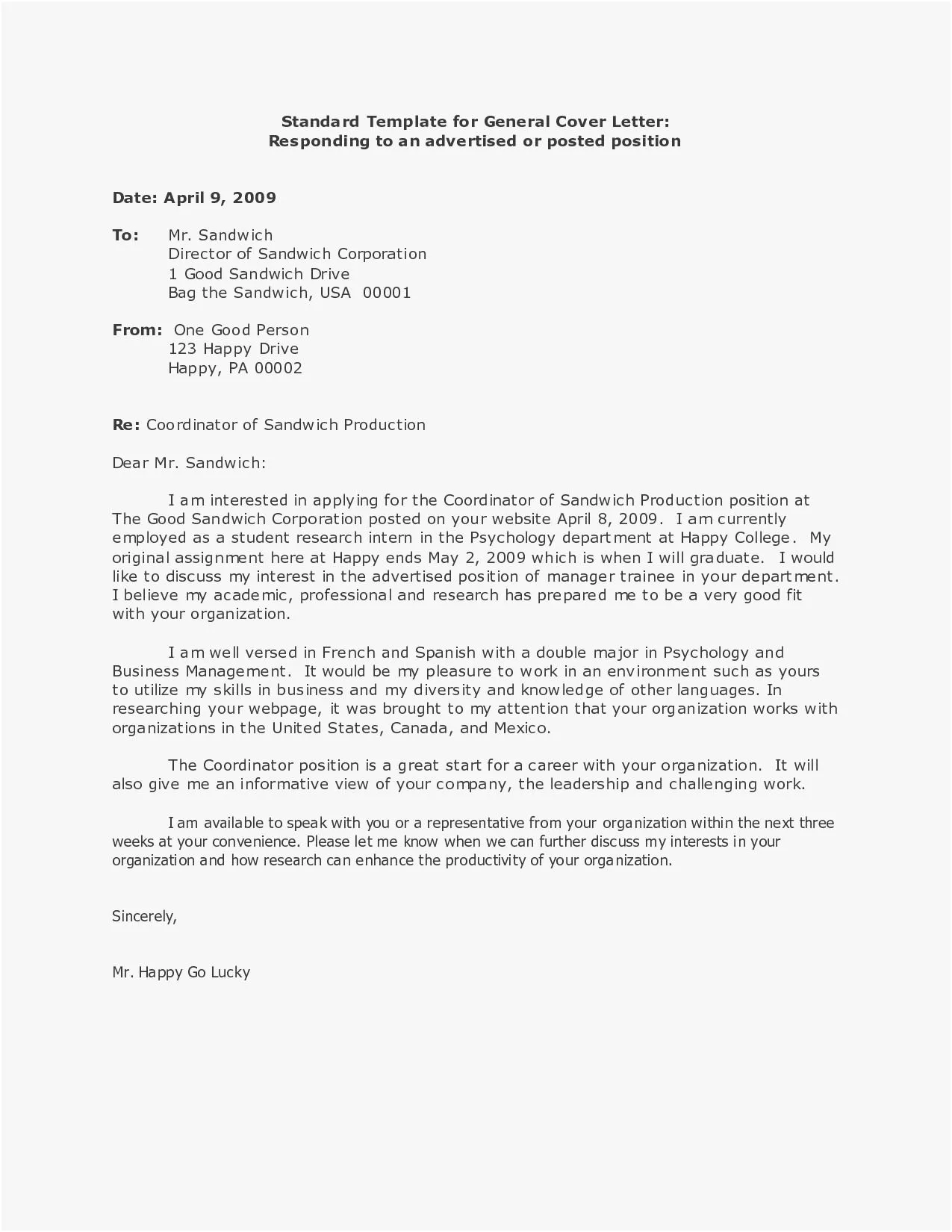
A basic cover letter should include several key components to effectively communicate your qualifications and enthusiasm. This generally starts with your contact information and the date, followed by the recipient’s information. The core of the letter consists of an introduction, which states your purpose and highlights your interest, and body paragraphs, which describe your relevant skills and experiences. It’s vital to show how your background aligns with the job requirements, showcasing your accomplishments and quantifiable results whenever possible. The letter concludes with a strong closing statement, reiterating your interest and including a call to action, such as requesting an interview. A professional tone, clear language, and error-free writing are crucial throughout, ensuring a positive impression and maximizing your chances of success.
Contact Information Section
The contact information section is crucial for a cover letter as it allows the hiring manager to easily reach you if they are interested in your application. Typically, it includes your full name, address, phone number, and email address. This information should be clearly and prominently displayed at the top of the letter. Make sure the email address is professional, and your phone number is up-to-date. Avoid any typos or errors, as these can immediately create a negative impression. The contact information section ensures the recruiter knows how to get in touch with you, streamlining the communication process and potentially speeding up the hiring process.
The Salutation
The salutation of a cover letter is your initial greeting, and it sets the tone for the rest of the document. Ideally, you should address the hiring manager by name. Research the company and the specific role to find out the hiring manager’s name; this shows initiative and personalization. If the name is unavailable, use a formal greeting like “Dear Hiring Manager” or “Dear [Department Name] Team.” Avoid generic greetings like “To Whom It May Concern,” as they can appear impersonal. The salutation should be professional, polite, and reflect your understanding of the company’s culture and the specific job role.
Body Paragraphs

The body paragraphs are the core of your cover letter, where you make your case for why you are the right fit for the job. Start with a strong introductory paragraph that states the position you are applying for and how you learned about it. In the subsequent paragraphs, describe your relevant skills, experience, and accomplishments. Use specific examples and quantify your achievements whenever possible to demonstrate the impact you’ve made in previous roles. Tailor each paragraph to address the specific requirements mentioned in the job description, showing how your skills and experience align with their needs. Keep the paragraphs concise and focused, highlighting your key qualifications and enthusiasm for the opportunity.
Highlighting Your Skills and Experience
When highlighting your skills and experience in a cover letter, focus on the qualifications most relevant to the job you’re applying for. Carefully review the job description and identify the key skills and experiences the employer is seeking. Then, in your cover letter, provide specific examples from your previous roles where you demonstrated those skills. Use action verbs to describe your accomplishments, such as “managed,” “led,” “developed,” or “achieved.” Quantify your achievements whenever possible by including numbers or data to show the impact of your work. For instance, instead of saying “Improved sales,” say “Increased sales by 15% within six months.” This demonstrates your value and provides concrete evidence of your abilities.
Showcasing Your Accomplishments
Showcasing your accomplishments is a crucial part of a cover letter, as it provides concrete evidence of your capabilities and value. Instead of simply listing your job duties, focus on your achievements in previous roles. Use the STAR method (Situation, Task, Action, Result) to structure your examples. Briefly describe the situation, the task you were assigned, the actions you took, and the results you achieved. Quantify your accomplishments whenever possible. This demonstrates your ability to perform the job responsibilities successfully and provides the hiring manager with a clear understanding of your impact. Ensure the accomplishments you highlight align with the requirements of the job you are applying for.
Tailoring Your Letter to the Job

Tailoring your cover letter to each specific job is essential for making a strong impression. Generic cover letters are easily identified and often dismissed. Research the company and the specific role to understand their needs and expectations. Carefully read the job description and identify the key requirements. Then, in your cover letter, highlight the skills, experiences, and accomplishments that align with those requirements. Use the same keywords and phrases that are used in the job description. Show how your background and goals align with the company’s mission and values. By demonstrating that you’ve taken the time to understand the role and the company, you prove your genuine interest and increase your chances of getting noticed.
The Closing and Call to Action
The closing paragraph of your cover letter is your final opportunity to leave a lasting impression. Reiterate your interest in the position and summarize why you are a good fit. Express your enthusiasm for the opportunity and reiterate your key skills and qualifications. Include a clear call to action, such as requesting an interview or stating your availability. Thank the hiring manager for their time and consideration. The closing should be professional and concise, leaving the reader with a positive impression and a clear understanding of your desire to move forward in the hiring process. Make sure to include a professional closing, such as “Sincerely” or “Best regards,” followed by your name.
Proofreading and Formatting Your Cover Letter
Proofreading and formatting are critical to creating a professional cover letter. Before submitting your letter, carefully proofread it for any grammatical errors, typos, and inconsistencies. Check for proper punctuation, correct spelling, and appropriate sentence structure. Use a professional font such as Times New Roman, Arial, or Calibri. Ensure your formatting is clean and easy to read, with consistent spacing and clear headings. A well-formatted and error-free cover letter demonstrates attention to detail and professionalism, leaving a positive impression on the hiring manager. It shows that you care about presenting yourself in the best possible light, increasing your chances of getting noticed and securing an interview.
Common Mistakes to Avoid

Several common mistakes can undermine your cover letter and decrease your chances of success. Avoid generic cover letters by tailoring each letter to the specific job. Do not simply rehash your resume; instead, use the cover letter to provide context and highlight specific accomplishments. Avoid typos, grammatical errors, and formatting inconsistencies, as these detract from your professionalism. Don’t be overly wordy or repetitive; keep the letter concise and focused. Refrain from using jargon or overly complex language. Don’t be negative or make excuses. Ensure you address the hiring manager by name (if possible) and always proofread carefully before submitting your application.
Proofreading for Clarity and Accuracy
Proofreading for clarity and accuracy is a crucial step in the cover letter writing process. Once you’ve completed your cover letter, take the time to carefully proofread it for any errors. Check for grammatical errors, spelling mistakes, and punctuation errors. Ensure your sentences are clear, concise, and easy to understand. Read the letter aloud to catch any awkward phrasing or inconsistencies. Consider having a friend or colleague review it for you; a fresh pair of eyes can often spot errors you may have missed. Proofreading ensures your cover letter is polished and professional, demonstrating attention to detail and increasing your chances of making a positive impression.
Formatting Tips for a Professional Look
Formatting your cover letter correctly is essential for creating a professional appearance. Use a standard font such as Times New Roman, Arial, or Calibri, with a font size between 10 and 12 points. Maintain consistent spacing throughout the document, and use a single-space between sentences. Align your text to the left and use a clear, readable font style. Include a heading with your contact information and the date, followed by the recipient’s information. Make sure to have margins of about 1 inch on all sides. Ensure the overall formatting is clean, well-organized, and easy to read. A well-formatted cover letter demonstrates professionalism and attention to detail.
Examples of Effective Cover Letters

Reviewing examples of effective cover letters can provide valuable insights into how to structure and write your own. Look for examples that are tailored to specific job descriptions, highlighting relevant skills and experiences. Pay attention to the language used, the tone, and the overall presentation. Note how the writers showcase their accomplishments and quantify their results. Study the introduction and closing paragraphs to learn how to grab the reader’s attention and include a call to action. Use these examples as inspiration, but always personalize your cover letter to reflect your unique skills, experiences, and personality. By understanding successful cover letter formats, you can improve your chances of creating a document that makes a strong impression.
Cover Letter for Entry-Level Jobs
Cover letters for entry-level jobs should focus on highlighting any relevant skills, experiences, and educational achievements, even if you don’t have extensive work experience. Emphasize transferable skills, such as communication, teamwork, and problem-solving. If you have experience from internships, volunteer work, or school projects, include them and explain how they relate to the job requirements. Tailor your letter to demonstrate your enthusiasm and eagerness to learn. Showcase your soft skills, such as your work ethic and adaptability. Highlight any relevant coursework or academic achievements. Your goal is to demonstrate your potential, passion, and ability to quickly learn and contribute, even with limited professional experience.
Cover Letter for Experienced Professionals
For experienced professionals, cover letters should highlight your key accomplishments, quantifying your results whenever possible. Focus on your relevant experiences and demonstrate how you’ve made a positive impact in previous roles. Showcase your leadership skills, and mention your ability to manage projects or teams. Emphasize how your skills and experience align with the specific job requirements. Provide specific examples of how you have solved problems, improved processes, or achieved goals. Tailor the letter to showcase your expertise and expertise and demonstrate the value you can bring to the company. The cover letter becomes an opportunity to showcase experience and present a compelling narrative.
Adapting Your Cover Letter to Different Industries

Adapting your cover letter to different industries is crucial for capturing the attention of hiring managers. Research the industry’s norms and expectations to tailor your language, formatting, and content accordingly. For example, if applying in a creative field, showcase your creativity and personality; a more formal tone is appropriate in the financial or legal sectors. Focus on industry-specific skills and terminology. Highlight any relevant experiences or certifications. Be aware of the industry’s common practices in cover letter writing. Researching each industry’s standards will ensure your application is well-received and demonstrate your understanding of their culture and needs. It shows your investment and enthusiasm for working in that industry.