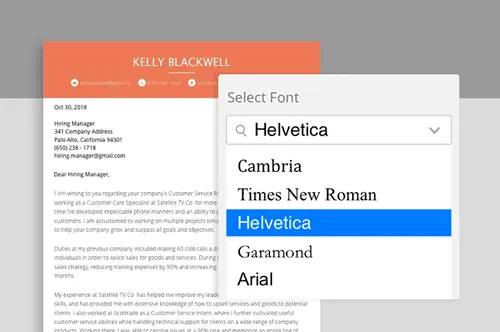
Understanding Resume Font Importance
In the competitive landscape of job applications, every detail counts. From the content to the formatting, your resume is a reflection of your professionalism and attention to detail. One often-overlooked aspect that significantly impacts your resume’s effectiveness is the font you choose. Selecting the right font is more than just an aesthetic decision; it’s a strategic move that can influence how recruiters perceive you. A well-chosen font enhances readability, making it easier for hiring managers to digest your information quickly. Conversely, a poorly chosen font can detract from your qualifications, making your resume appear cluttered, unprofessional, and difficult to read. This guide will delve into the best fonts for resumes, providing insights into why font choice matters and how to make the best selection to get you noticed.
Why Font Choice Matters
The font you choose sets the tone for your resume and can subtly communicate your personality and professionalism. A clean, modern font can signal that you are up-to-date and detail-oriented, whereas a dated font may suggest a lack of awareness or a disregard for modern standards. The right font enhances the visual appeal of your resume, making it more inviting to read. A well-formatted resume encourages recruiters to spend more time reviewing your qualifications. Your chosen font impacts the overall layout and structure of your resume. Different fonts have varying character widths and spacing, which can affect how your text fits on the page. A font that is too condensed might make your resume look cramped, while a font that is too wide could lead to excessive line breaks and an unorganized appearance. Proper font selection ensures your resume is visually balanced and easy to navigate.
Impact on Readability and First Impressions

Readability is paramount. Recruiters often scan resumes quickly, so your resume needs to be easily digestible. A font that is clear, legible, and easy on the eyes will ensure that your key qualifications are noticed. First impressions are crucial, and your resume’s font contributes to this initial perception. Your font choice creates an immediate impression about your professionalism and attention to detail. A professional-looking font conveys that you take your job search seriously and are committed to presenting yourself in the best possible light. A well-chosen font can significantly impact how recruiters perceive your resume. It can influence their willingness to spend more time reviewing your qualifications. A visually appealing and easy-to-read resume increases the likelihood that your application will be considered seriously.
Top 5 Resume Fonts
Arial
Arial is a widely recognized sans-serif font known for its clean, straightforward appearance. It’s a popular choice because it’s highly readable and versatile, working well in various professional settings. Arial’s simple design makes it easy to scan quickly. This is especially important in the context of a resume, where recruiters need to grasp key information efficiently. It presents a modern and professional look, suitable for a wide range of industries. Its ubiquitous nature means that most people are familiar with it and find it comfortable to read. Arial is a solid and reliable choice for your resume, offering a balance of readability and professionalism.
Pros of Arial

- Highly readable and easy to scan.
- Clean, modern appearance.
- Versatile for various industries.
Cons of Arial
- Common, so it may not help your resume stand out.
- Can appear somewhat generic.
Times New Roman
Times New Roman is a classic serif font, known for its traditional and formal appearance. It is a great choice for those seeking a more conservative and established look. This font is a staple in many documents, so it projects a sense of familiarity and reliability. It’s particularly suitable for industries that value tradition and precision. The serifs (small strokes at the ends of letters) can make it easier to read in longer blocks of text, which can be beneficial for a detailed resume. Times New Roman provides a timeless and professional aesthetic that can be appropriate for many professional contexts.
Pros of Times New Roman

- Classic and professional appearance.
- Highly readable in longer texts.
- Familiar and widely accepted.
Cons of Times New Roman
- Can appear somewhat dated.
- May not stand out in a modern context.
Helvetica
Helvetica is another popular sans-serif font, celebrated for its clean and neutral design. It offers excellent readability and a contemporary feel, making it a great choice for a modern resume. This font conveys a sense of clarity and professionalism. It is versatile, suiting a wide array of industries, and is known for its balanced and visually appealing structure. Helvetica is a strong choice for those seeking a clean and modern aesthetic. Its universal appeal and readability make it ideal for a resume that needs to be easily scanned and understood.
Pros of Helvetica

- Clean, modern, and highly readable.
- Neutral and versatile appearance.
- Works well across different industries.
Cons of Helvetica
- Can appear too common, lacking a unique personality.
- May be perceived as less formal.
Calibri
Calibri is a sans-serif font that is part of the Microsoft Office suite, known for its soft and friendly appearance. It provides excellent readability on screens and in print, making it a practical choice for your resume. Calibri strikes a balance between being contemporary and professional, offering a visually pleasing experience. Its clean lines and slightly rounded edges give it a modern feel while maintaining a level of formality suitable for most professional environments. This makes it an excellent choice for a resume that needs to look both polished and accessible.
Pros of Calibri

- Modern and friendly appearance.
- Excellent readability on screens.
- Part of the standard Microsoft Office suite.
Cons of Calibri
- Can appear too casual for some professions.
- May be less unique.
Garamond
Garamond is a classic serif font that is known for its elegant and sophisticated appearance. Its distinctive letterforms add a touch of refinement to any document, making it a great choice for those seeking a more distinguished look. Its slightly condensed design allows you to fit more text on a single page, which can be advantageous for a detailed resume. Garamond offers a combination of readability and aesthetic appeal, making it an excellent choice for conveying professionalism and attention to detail.
Pros of Garamond

- Elegant and sophisticated appearance.
- Excellent readability.
- Space-efficient design.
Cons of Garamond
- May appear too traditional for some roles.
- Could be less familiar to some recruiters.
Font Formatting Best Practices
Beyond choosing the right font, proper formatting significantly enhances the readability and visual appeal of your resume. It ensures your qualifications are presented in a clear, organized, and professional manner. Consistency in your formatting choices is critical. Maintain the same font size, style, and spacing throughout your resume to ensure a polished and cohesive look. Avoid mixing different fonts or styles unless absolutely necessary, as this can make your resume appear cluttered and unprofessional. Proper formatting is a crucial part of presenting a compelling resume.
Font Size Recommendations
Appropriate font sizes enhance readability and make your resume easier to scan. Headings should be larger and more prominent to draw the reader’s eye to important sections, while body text should be sized for comfortable reading. Using the right font sizes is essential to make your resume accessible and professional.
Font Size for Headings
Headings should stand out to guide the reader through the different sections of your resume. Use a font size between 14 and 16 points for headings to make them clearly visible. This ensures that recruiters can easily identify and quickly find the information they are looking for. Larger headings also help break up the text, improving visual flow and making your resume more organized. Using a distinct and larger font size for headings significantly contributes to the overall organization and clarity of your resume.
Font Size for Body Text
The body text should be easy to read without being overly large or small. A font size between 10 and 12 points is generally recommended for body text. This range provides a balance between readability and efficient use of space. Choosing a font size that is comfortable for the reader is essential to make your resume accessible and easy to review. The right font size will contribute to your resume’s professional appearance and ease of understanding.
Font Style and Weight
Font style and weight can be used to highlight important information and improve the visual organization of your resume. Bold, italic, and underline are all methods that can be used to emphasize key points or headings. Understanding how to use these styling options effectively will enhance the presentation of your resume.
Emphasis Techniques
Use bolding to highlight your name, section headings, and job titles. Italics can be used sparingly to emphasize dates, company names, or the titles of projects. Underlining should be avoided as it can be distracting and is generally not used in modern resume formatting. Proper use of these techniques will help to guide the reader’s attention and convey key information clearly. Strategic emphasis techniques create a well-organized and easily readable resume.
Font Consistency Tips
Maintaining consistency in your font choices, size, and style is key to a professional-looking resume. Ensure that you apply the same formatting consistently throughout your entire document. Doing this creates a sense of order and professionalism. Avoid mixing different fonts, sizes, and styles unless there is a clear and deliberate reason. This principle helps your resume appear cohesive and well-organized, making it easier to read and more appealing to the hiring manager. Consistent formatting is a fundamental element of a strong resume.
How to Choose the Right Font
Choosing the right font for your resume involves considering several factors, including the industry you are applying to, the type of role you are seeking, and your personal brand. The best font should align with the standards of your industry while showcasing your professionalism and attention to detail. Taking the time to choose the right font is an investment in your job search.