What is a Cover Letter and Why You Need One
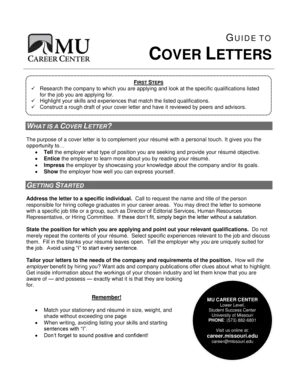
A cover letter is your first impression, a crucial document accompanying your resume, especially when applying for a job. It’s an opportunity to introduce yourself, highlight relevant skills and experiences, and express your enthusiasm for the position. Think of it as your personal sales pitch. Unlike your resume, which provides a factual account of your career, a cover letter allows you to tell a story, demonstrating why you are the ideal candidate. Even when applying for jobs without a specific opening, a well-crafted cover letter can showcase your value and open doors to opportunities you may not have known existed. It shows you’re proactive and genuinely interested in contributing to a company’s success. A cover letter also allows you to explain any gaps in employment or career changes, providing context and helping the hiring manager understand your unique journey.
Highlighting Your Skills and Experience
When crafting your cover letter, don’t just list your skills and experiences—demonstrate how they align with the company’s needs. Review the company’s mission and values and mirror their language in your letter. Provide specific examples of how you have utilized your skills to achieve results in previous roles. Quantify your accomplishments whenever possible. Use numbers and data to showcase your impact. For instance, instead of stating that you ‘managed social media,’ describe how you ‘increased social media engagement by 30% within six months.’ Tailor each cover letter to reflect the specific requirements of the job, even when applying for positions without a specific posting. Research the company and identify their core values, and then emphasize how your skills and experiences align with those values. This targeted approach makes your cover letter more compelling and shows you’ve taken the time to understand their business. Highlight your achievements and use this as an opening to the next sections.
Tailoring Your Cover Letter

Generic cover letters are easily spotted and often end up in the rejection pile. Tailoring your cover letter means customizing it for each company and, whenever possible, for each role. Research the company thoroughly, paying attention to their culture, values, and recent news. This shows you’re genuinely interested and have taken the initiative to learn about the organization. Use keywords from the job description or company website to demonstrate your understanding of their needs. Even if you don’t have a specific job in mind, you can tailor your cover letter to highlight the type of role you are seeking and the industries that interest you. This demonstrates your proactive approach to career development. Personalize your letter by addressing it to a specific person, if possible. Research the hiring manager or the relevant team lead and include their name. Make it clear that you understand the company’s needs and are ready to contribute. This level of personalization shows that you are highly motivated.
Showcase Your Achievements
Instead of simply listing your job duties, use your cover letter to showcase your accomplishments. Highlight specific achievements that demonstrate your skills and the value you can bring to a company. Use the STAR method (Situation, Task, Action, Result) to provide context, explain the challenge, describe your actions, and detail the outcome. For example, you can write about how you ‘identified a process inefficiency that was slowing production,’ ‘implemented a new solution,’ and ‘reduced downtime by 15%.’ This concrete data provides tangible proof of your capabilities. Quantify your achievements whenever possible. Use numbers, percentages, or dollar amounts to demonstrate the impact of your work. Focus on what you’ve accomplished and how you’ve made a difference in previous roles. Show the company you are eager to bring the same drive and value to their company.
Cover Letter Secrets Revealed
Secret 1 Focus on Your Value
The most effective cover letters are those that focus on the value you bring to the table. Shift your focus from what you want to what you can offer the company. Think about the skills, experiences, and accomplishments that make you a strong candidate, and then highlight those aspects. Tailor your letter to the specific needs of the organization. Demonstrate how your skills align with their requirements. Use language that reflects the company’s culture and values. Make sure that your letter is not a simple repetition of your resume; instead, use it to expand on key points and give deeper context to your experience. Frame your skills and accomplishments in a way that showcases your ability to solve problems and contribute to the company’s success. This proactive approach makes your application much more compelling.
Secret 2 Research the Company
Thorough research is key to writing a compelling cover letter. Before you start writing, take the time to learn about the company’s mission, values, and recent activities. Visit their website, read their blog, and check their social media accounts. Look for news articles or industry reports that provide insights into their business. This research helps you tailor your letter to the company’s specific needs and shows that you are genuinely interested in working there. Use keywords from their website and job descriptions to demonstrate your understanding of their business. This helps you showcase how your skills and experiences align with their goals. Showing this will help you with getting through the first round of reviews from the hiring manager.
Secret 3 Use Action Verbs
Action verbs breathe life into your cover letter and make it more engaging. Start your sentences with strong verbs that highlight your accomplishments and responsibilities. This makes your cover letter more dynamic and illustrates your ability to get things done. Instead of saying ‘responsible for managing projects,’ use ‘managed projects,’ ’led project teams,’ or ‘oversaw project timelines.’ When describing your achievements, choose action verbs that are both specific and impactful. For example, you could use ‘implemented,’ ‘developed,’ ‘achieved,’ or ‘increased’ to showcase your results. A strong selection of action verbs will showcase your abilities and achievements. This will also leave an impression on the hiring manager.
Secret 4 Proofread and Edit
A cover letter filled with errors can create a negative impression, regardless of your qualifications. Before sending your cover letter, thoroughly proofread it for any typos, grammatical errors, or inconsistencies. Use a spell checker, but don’t rely on it completely. Read your letter aloud to catch any awkward phrasing or unclear sentences. Ask a friend or mentor to review it and provide feedback. Fresh eyes can often spot errors that you may have missed. Make sure your cover letter is clear, concise, and easy to read. Use a professional font, such as Times New Roman or Arial, and maintain consistent formatting. Pay attention to the tone of your writing. Ensure it is professional and reflects your personality. This will help you leave the best impression with the company.
Secret 5 Call to Action
Don’t leave the reader guessing about your next steps. End your cover letter with a clear call to action. State your interest in an interview and express your enthusiasm for the opportunity. Make it easy for the hiring manager to contact you. Include your phone number and email address in the closing. You can also use a specific closing, such as ‘I look forward to the opportunity to discuss my qualifications further’ or ‘Thank you for considering my application. I am available for an interview at your earliest convenience.’ A strong call to action makes it clear that you are actively seeking a job and that you are ready and willing to take the next step in the hiring process. This proactive approach demonstrates your enthusiasm and makes you more likely to get a response.
Formatting a Cover Letter
Key Elements to Include

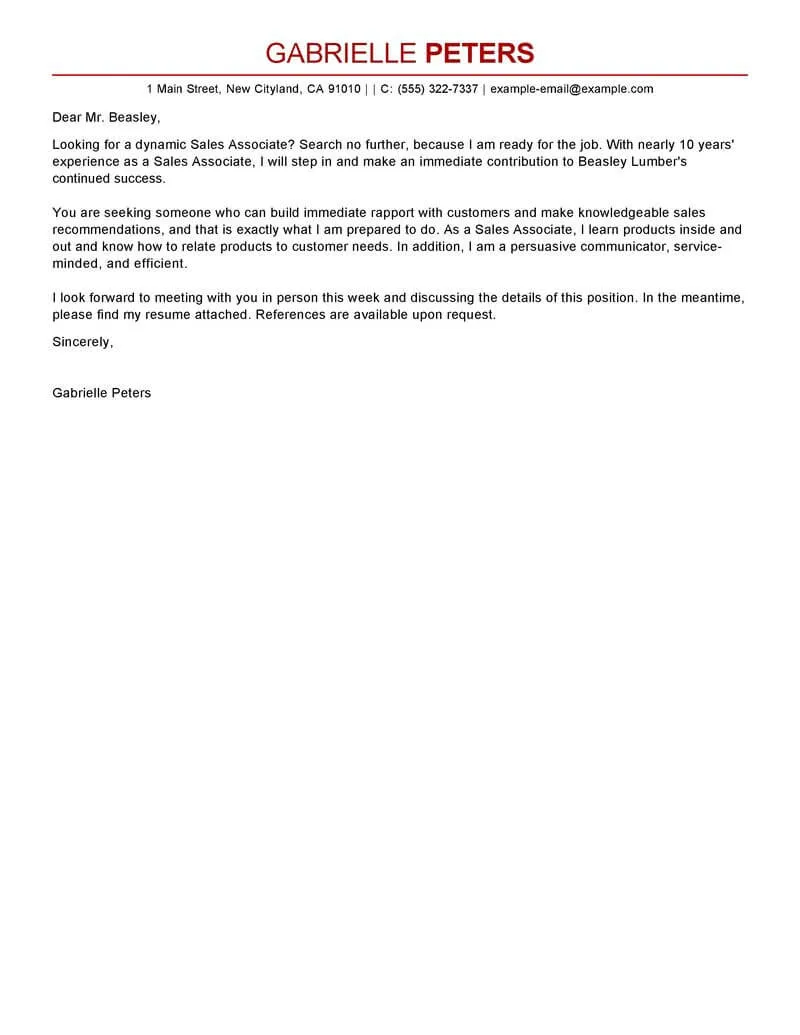
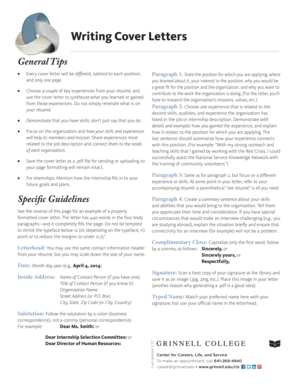
A well-formatted cover letter includes several key elements that help you make a strong first impression. Start with your contact information at the top: your name, address, phone number, and email address. Then, include the date and the employer’s contact information, if known. Next, write a professional salutation, addressing the hiring manager by name, if possible, or using a general greeting. In the body of your cover letter, introduce yourself, state the purpose of your letter, and highlight your skills, experiences, and achievements. Focus on how your skills and experiences align with the company’s needs. Summarize your qualifications, but make sure to demonstrate your skills using the STAR method. This can provide a tangible view of your skills and also the outcome of your skills. End with a call to action, expressing your interest in an interview and providing your contact information.
Email Cover Letter Tips
When submitting your cover letter via email, pay close attention to the format and content of your email. Use a clear and professional subject line, such as ‘Application for [Job Title]’ or ‘Cover Letter - [Your Name].’ Include a brief introductory paragraph in the body of your email, restating your interest in the position and highlighting your key qualifications. Attach your cover letter and resume as separate documents. Use a professional font and formatting. Make sure the file names are clear and easy to read. Proofread your email and attachments carefully before sending. Double-check the recipient’s email address to make sure you’re sending it to the right person. Consider sending a follow-up email a week after submitting your application to show your continued interest. This will help you avoid mistakes during the email submissions.
Cover Letter Don’ts to Avoid
There are several mistakes you should avoid when writing a cover letter. Don’t use generic language, such as ‘To Whom It May Concern.’ Instead, address the hiring manager by name, if possible. Don’t simply restate your resume; instead, expand on your accomplishments and experiences. Don’t use jargon or slang that the hiring manager might not understand. Don’t include unnecessary information or irrelevant details. Keep your cover letter focused on your qualifications and the company’s needs. Don’t make spelling or grammatical errors. Proofread your letter carefully before sending. Don’t be negative or critical of past employers or colleagues. Focus on what you can offer and your positive attributes. Avoiding these common pitfalls will ensure that your cover letter makes a positive impression and increases your chances of getting an interview.
In conclusion, a well-crafted cover letter is an essential tool in any job search. By focusing on your value, researching the company, using action verbs, proofreading, and including a clear call to action, you can increase your chances of getting noticed and landing your dream job. Remember to tailor each cover letter to the specific role or company, and always highlight your achievements and skills in a way that demonstrates your unique value. Good luck with your job search!