What is a Broad Cover Letter?
A broad cover letter, unlike a targeted one, is a general document sent to multiple companies or recruiters, expressing interest in various roles within the organization. It serves as an introduction, highlighting your skills and experiences without specifying a particular job. This approach is often used when you’re exploring job opportunities, don’t know which specific positions are available, or want to introduce yourself to a company you admire.
Understanding the Purpose of a Broad Cover Letter
The main objective of a broad cover letter is to create an initial impression and pique the interest of the hiring manager or recruiter. Its aim is to show you possess a set of skills applicable to several positions. It’s less specific than a targeted cover letter. The purpose is to encourage the reader to review your resume and consider you for openings that might not be publicly advertised or match your current skill set.
When to Use a Broad Cover Letter

Broad cover letters work best when you’re not targeting a specific job but instead are looking for opportunities in a specific industry or within a particular company. It’s useful if you know your career goals or industry. If you see an organization you want to be a part of, even when no specific job is advertised, it’s time for a broad cover letter.
Crafting the Perfect Broad Cover Letter
Crafting a broad cover letter requires a careful balance between providing a broad overview and showcasing relevant skills. Ensure that your letter is tailored to the company. It will make an impression, showing your commitment to the organization.
Essential Elements of a Broad Cover Letter
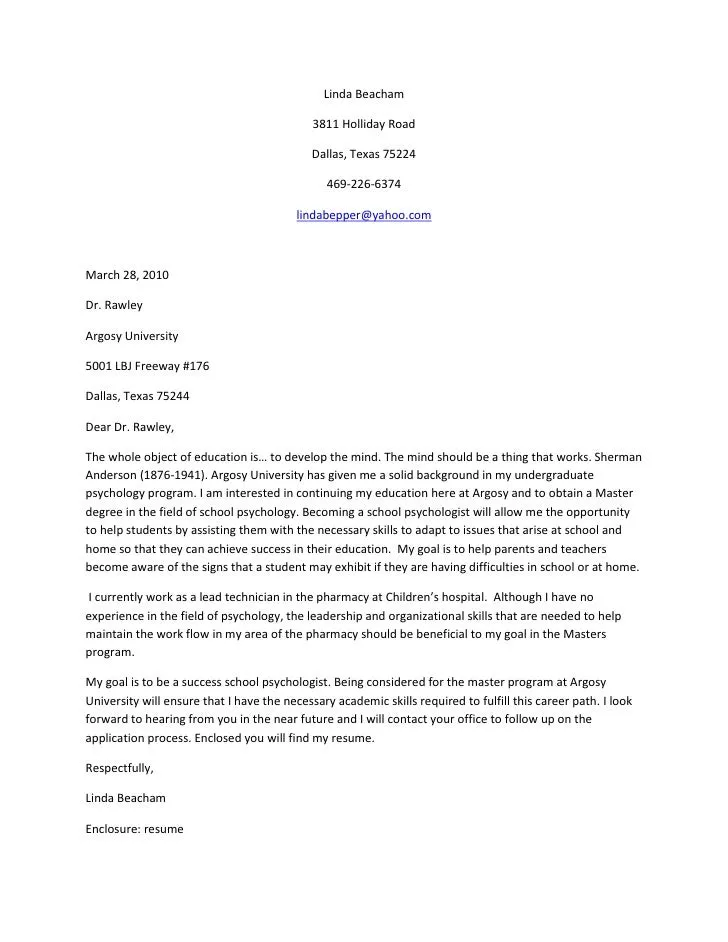
A well-structured broad cover letter has to include a clear header, a polite salutation, an engaging opening, informative body paragraphs, and a persuasive closing. Each element contributes to the overall impact of your letter. The goal is to make the recruiter read your resume.
Header and Contact Information

The header should contain your contact information: full name, phone number, email address, and optionally, your LinkedIn profile URL. This makes it easy for recruiters to reach you. Include the date and the recipient’s contact information if you know it, but if you do not know the hiring manager’s name, use a general greeting.
The Salutation
Address the recipient by name if possible; ‘Dear Mr./Ms. [Last Name]’ is professional. When the name is not available, use a general salutation such as ‘Dear Hiring Manager’ or ‘To Whom It May Concern.’ It is better to research the company to find the hiring manager’s name.
The Opening Paragraph
Start with a brief, engaging statement that highlights your interest in the company and the type of roles you’re seeking. Mention how you learned about the company and why it interests you. The opening paragraph sets the tone for the rest of the letter.
Body Paragraphs Highlighting Skills

Focus on transferable skills and experiences relevant to various roles. Provide examples of your accomplishments and how your skills align with the company’s values or industry. Use action verbs to describe your contributions.
Quantifying Your Achievements
Whenever possible, quantify your achievements. Numbers provide tangible evidence of your capabilities. Instead of saying ‘managed projects,’ say ‘managed 5 projects, completing them under budget.’ This gives the hiring manager concrete examples.
Tailoring to Different Industries
If applying to different industries, adapt your cover letter to each. Highlight the most relevant skills and experiences for the target industry. Research the industry and the company to customize your letter.
Highlighting Transferable Skills

Emphasize skills that are applicable across various roles and industries, such as communication, problem-solving, leadership, and project management. These skills can be valuable in many different roles.
The Closing Paragraph
Summarize your interest and reiterate your availability for a variety of roles. Express gratitude for their time and consideration. Include a call to action, such as offering to provide further details or attend an interview.
Expressing Enthusiasm and Availability
Convey your enthusiasm for the company and your eagerness to learn more about potential opportunities. State your availability for interviews and your willingness to discuss how you can contribute to the company’s success. Showing enthusiasm increases your chance of being considered.
Formatting and Design for Impact

The formatting of your broad cover letter is just as crucial as its content. Use a professional format and layout to make it easy to read and visually appealing. The presentation impacts the reader’s initial impression.
Choosing the Right Font and Layout
Choose a readable font such as Times New Roman, Arial, or Calibri, with a font size between 10 and 12 points. Use single-spaced lines with one-inch margins. Ensure that the text is properly aligned and visually balanced. Use the format to make your cover letter appealing.
Proofreading and Editing Checklist
Always proofread your broad cover letter before sending it. Check for grammar, spelling, and punctuation errors. A poorly proofread letter can damage your professional image. Review your letter multiple times and ask someone else to review it too.
Common Mistakes to Avoid in Broad Cover Letters

Several common mistakes can undermine your broad cover letter. Avoid generic language, not tailoring to the company, too much self-focus instead of addressing company needs, and providing vague or overly long content. These can make a recruiter less likely to consider you.
Sending Your Cover Letter
When sending your broad cover letter, customize the subject line of your email to make it stand out. Attach your cover letter and resume as professional PDF files. Always double-check the email address to ensure it is correct. PDF format will prevent any formatting issues.
How to Follow Up
After submitting your broad cover letter, it’s appropriate to follow up. Wait at least a week or two before sending a polite follow-up email, but don’t be too aggressive. Express your continued interest and reiterate your qualifications. Following up demonstrates your enthusiasm and interest.
In conclusion, crafting a broad cover letter is about presenting yourself professionally, highlighting the skills you have, and your interests. By following the tips mentioned above, you can create a letter that makes a great impression and can help you open doors to many new opportunities in your career. It’s about making a connection with the recruiter and making them want to know more about your skills and experiences. Always remember to tailor your letter to each company, even if it’s a broad cover letter.