Unveiling the Coach Cover Letter Secrets
Crafting a compelling cover letter is essential for landing a coaching position. It’s your first opportunity to impress a hiring manager and showcase your qualifications. This guide will unveil the top 5 secrets to writing a coach cover letter that grabs attention, highlights your skills, and increases your chances of getting hired. A well-written cover letter complements your resume, providing context and demonstrating your passion for coaching. It allows you to personalize your application and address the specific requirements of the role, setting you apart from other applicants.
Highlighting Your Coaching Skills
Your cover letter is the perfect platform to showcase your coaching prowess. Detail the specific coaching skills you possess that align with the job description. Do you excel in areas like player development, strategic planning, communication, motivation, or team building? Provide concrete examples of how you’ve utilized these skills to achieve positive outcomes in past coaching roles. Mention any certifications, specializations, or training you’ve completed that are relevant to the position, establishing your credibility and expertise.
Quantifying Your Achievements

Numbers speak volumes. Instead of just stating your responsibilities, quantify your achievements whenever possible. Did you improve a team’s win-loss record? Increase player performance metrics? Secure scholarship offers for your athletes? Detail the positive impact you’ve made in previous coaching positions with specific data points and measurable results. This demonstrates the tangible value you bring to the table and provides concrete evidence of your coaching effectiveness. Use percentages, statistics, and specific figures to support your claims, making your cover letter more impactful.
Tailoring to the Specific Role
Generic cover letters rarely impress. Tailor each letter to the specific coaching position you’re applying for. Carefully review the job description and identify the key requirements, skills, and responsibilities. Customize your cover letter to address these specifics, demonstrating that you understand the role and are a strong fit for the organization. Highlight relevant experiences and skills that directly align with the job requirements. Research the team, program, or institution to understand their values and goals. Then, weave this information into your letter, showing your genuine interest and suitability.
Showcasing Passion and Enthusiasm
Coaching is more than just a job; it’s a passion. Infuse your cover letter with genuine enthusiasm for coaching and the specific opportunity. Express your excitement about the team, program, or institution you’re applying to. Share your coaching philosophy and explain what motivates you to help athletes achieve their full potential. Your passion will be contagious and will resonate with the hiring manager. Let your personality shine through, but maintain a professional tone. Showing your enthusiasm can make a lasting impression and differentiate you from other candidates.
Mastering the Format and Structure

Header and Contact Information
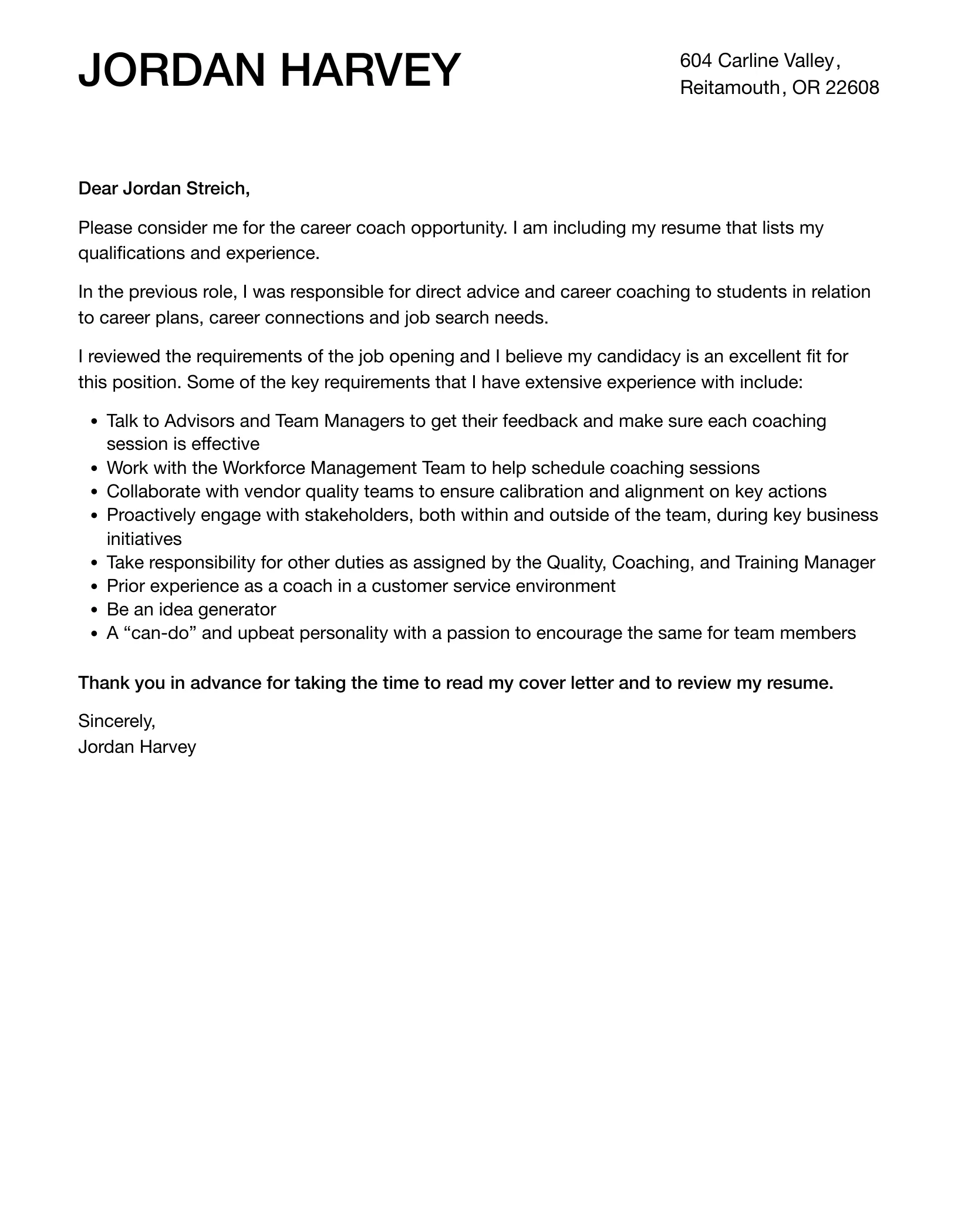
Start with a professional header that includes your full name, address, phone number, and email address. Make sure your contact information is up-to-date and easy to find. Consider using a professional email address. Following this, include the date and the hiring manager’s name and title (if known) and the organization’s address. This demonstrates your attention to detail and professionalism.
Opening Paragraph Crafting
Your opening paragraph is your first chance to grab the reader’s attention. State the position you’re applying for and how you learned about the opportunity. Briefly mention your most relevant qualifications and express your enthusiasm for the role. Consider starting with a compelling statement that highlights your coaching philosophy or a significant achievement. This will immediately capture the reader’s interest and encourage them to continue reading.
Body Paragraph Strategies

The body of your cover letter is where you expand on your qualifications. Use separate paragraphs to address your coaching skills, achievements, and how you meet the specific requirements of the job description. Provide detailed examples to support your claims. Use action verbs to describe your accomplishments and the impact you’ve made. Structure your paragraphs logically and ensure smooth transitions between ideas to maintain a clear flow. Break up long paragraphs into shorter ones for improved readability.
Closing with a Call to Action
Conclude your cover letter with a strong call to action. Express your interest in an interview and reiterate your enthusiasm for the opportunity. Thank the hiring manager for their time and consideration. Include a statement about your availability for an interview and how they can reach you. Avoid generic phrases. Instead, express your confidence in your ability to contribute to the team’s success.
Proofreading and Polishing Your Letter
Ensuring Error-Free Content

Before submitting your cover letter, proofread it meticulously for any errors in grammar, spelling, and punctuation. Even a minor mistake can undermine your credibility. Use a spell-checker, but don’t rely on it completely. Read the letter aloud to catch awkward phrasing or grammatical errors. Ideally, have a friend or colleague review your cover letter as a fresh pair of eyes can often identify mistakes that you may have missed. Pay close attention to detail, ensuring your letter is polished and professional.
Refining the Tone and Style
Your cover letter should have a professional yet engaging tone. Use clear, concise language and avoid jargon or overly complex sentences. Tailor your writing style to match the culture of the organization and the tone of the job description. Make sure your letter is easy to read and visually appealing. Use appropriate fonts, spacing, and formatting to create a professional look. Ensure that your writing style reflects your coaching philosophy and personality in a positive light.
Seeking Feedback for Improvement
Ask for feedback from trusted sources, such as career counselors, mentors, or friends. They can provide valuable insights and suggest improvements to your cover letter. Ask them to review your letter for clarity, content, and overall effectiveness. Be open to constructive criticism and willing to revise your letter based on the feedback you receive. Multiple revisions and feedback can help you refine your cover letter, making it more impactful and increasing your chances of success.
Additional Tips to Stand Out

Researching the Company Culture
Thoroughly research the organization you’re applying to. Understand their values, mission, and coaching philosophy. This knowledge will help you tailor your cover letter and demonstrate your genuine interest in the role. Visit their website, social media pages, and any other available resources to learn about their culture and recent achievements. Understanding the organization’s culture allows you to align your skills and experiences with their needs, making your application more impactful. This demonstrates your due diligence and commitment to the organization.
Using Keywords Strategically
Carefully review the job description and identify the keywords that are most important. Incorporate these keywords naturally into your cover letter, ensuring your application is easily searchable and matches the job requirements. However, avoid keyword stuffing, which can make your letter sound unnatural and detract from your qualifications. Use keywords strategically within your sentences and paragraphs. This helps applicant tracking systems (ATS) recognize your relevant skills and experience. It also ensures your cover letter effectively highlights the most important aspects of your coaching expertise.
Including a Compelling Story
Use your cover letter as a chance to tell a story. Share a brief anecdote that illustrates your coaching philosophy, a successful coaching experience, or a significant achievement. A well-told story can capture the reader’s attention and make your application more memorable. The story should be relevant to the coaching position and highlight your skills and experience. Make it engaging and relatable. By weaving a narrative, you make your cover letter more personal and demonstrate your ability to connect with others.
Following Up After Submission
After submitting your cover letter and resume, follow up with the hiring manager within a reasonable timeframe (usually one to two weeks). A polite email or phone call demonstrates your interest in the position and reinforces your enthusiasm. Reiterate your qualifications and express your continued interest in the role. This is an opportunity to clarify any questions the hiring manager might have. Following up can set you apart from other candidates and remind the hiring manager of your application.