Understanding Coop Housing Cover Letters
Applying for a cooperative (co-op) housing unit involves more than just submitting an application; a well-crafted cover letter is essential. This letter serves as your introduction, allowing you to highlight your qualifications, demonstrate your understanding of co-op living, and express genuine interest in joining their community. It’s your chance to stand out and showcase why you’d be a valuable addition. Co-ops often prioritize factors beyond financial stability; they seek individuals who will be good neighbors and contribute positively to the community. Therefore, your cover letter is a crucial element of your application, providing context and allowing you to make a strong first impression with the co-op board.
Why a Cover Letter is Crucial
A cover letter provides essential context to your application and enables you to personalize your approach. It allows you to demonstrate your understanding of the specific co-op’s requirements and values, and helps you address the board directly. It also helps you express your interest in detail and showcase your personality, unlike a generic application. This personal touch is particularly important in co-op applications, where community and compatibility are highly valued. Moreover, a well-written cover letter allows you to address any concerns the board might have, such as employment gaps or financial issues. The cover letter allows you to present yourself in a way that shows you’re a good fit for the co-op and the community.
Highlighting Your Qualifications

Your cover letter is the perfect place to highlight your qualifications, going beyond a simple list of previous jobs. It’s about showcasing the skills, experiences, and personal qualities that align with the co-op’s expectations. Focus on demonstrating financial stability, responsible living habits, and your ability to be a good neighbor. Mention any experience with community involvement, volunteer work, or previous co-op living if applicable. Always relate your qualifications to the specific requirements mentioned by the co-op board, illustrating your understanding of their needs and how you can meet them. Tailor your letter to each application, referencing aspects of the co-op that resonate with you and prove your suitability for the community.
Key Components of a Coop Housing Cover Letter
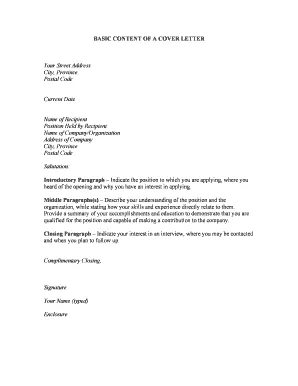
Contact Information and Date
At the top of your cover letter, include your full name, address, phone number, and email address. This information should be clearly visible and easy to find. Below your contact information, include the current date. This is standard practice for professional correspondence and helps the board easily identify the letter’s timeliness. Ensure the contact information is accurate and up-to-date, as this is how the co-op board will reach you. Accurate contact information is crucial for the application process.
The Salutation

Address the co-op board or a specific contact person by name if known. Use a formal salutation like “Dear Coop Board Members” or “Dear Mr./Ms. [Last Name],” to demonstrate respect and professionalism. If you’re unsure of a specific contact, it’s best to be formal and address the board as a whole. Avoid casual greetings. The salutation sets the tone for the letter and is the first chance to make a good impression. Research the co-op’s website or contact them to find the name of the board representative to ensure accuracy.
Body Paragraph 1 Explain Your Interest
In the first body paragraph, clearly state the purpose of your letter: to apply for a specific co-op unit. Include the address or unit number, if available. Express your strong interest in the co-op and specify what particularly attracts you to the building and the community. This might include the location, amenities, the building’s history, or the specific community aspects. Show that you’ve researched the co-op and genuinely want to be part of the community. Be specific about why this particular co-op appeals to you and why you are a good match for them.
Body Paragraph 2 Showcase Your Qualifications
This paragraph allows you to highlight your qualifications, focusing on aspects that align with the co-op’s criteria. Demonstrate financial stability by mentioning your employment history and ability to pay monthly fees. Showcase responsible living habits and your ability to be a good neighbor. Provide specific examples to illustrate your points. Consider mentioning your understanding of co-op rules and regulations. Tailor this section to each co-op, as they may have specific preferences or requirements. This is your opportunity to demonstrate that you’re a responsible and reliable candidate.
Body Paragraph 3 Address Coop Requirements

In this section, address any specific requirements or potential concerns the co-op board may have. Carefully review the co-op’s application guidelines, which often list the information they require. This might include details about your employment, credit history, or references. If there are potential issues, address them honestly and provide context. Reiterate your understanding of co-op living and your commitment to the community. If the co-op has an interview process, state your availability and willingness to participate. Be transparent and address any potential concerns with honesty and openness.
The Closing and Signature
Conclude your letter with a polite and professional closing, such as “Sincerely” or “Respectfully.” Reiterate your interest in the co-op and thank the board for their time and consideration. Then, sign your name. If submitting electronically, type your name and include a digital signature if you have one. Ensure your signature is legible. Proofread the entire letter before sending it, making sure it is free of errors and reflects your best qualities. A strong closing leaves a lasting impression and reiterates your interest.
Formatting and Presentation Tips
Font and Font Size
Choose a professional and easy-to-read font, such as Times New Roman, Arial, or Calibri. Maintain a consistent font throughout the letter. Use a font size of 11 or 12 points for the body text, ensuring readability. The goal is to make the letter visually appealing and easy to scan. Avoid overly stylized or unusual fonts that could distract from the content. Ensure the font size and style are consistent with other documents you may be submitting as part of your application. Keep it clean, clear, and easy to read.
Use of White Space
Use white space effectively to enhance readability. Use single-spacing within paragraphs and double-spacing between paragraphs. Employ ample margins (typically one inch on all sides) to prevent the text from appearing cramped. Avoid long blocks of text; break up paragraphs into shorter, concise sections. This improves readability, allowing board members to easily scan the letter and find the information they need. Clear formatting helps create a positive first impression and makes your letter inviting to read.
Proofreading and Editing
Thorough proofreading and editing are essential. Check for grammatical errors, spelling mistakes, and punctuation issues. Have someone else proofread the letter, as a fresh pair of eyes often catch errors you might miss. Ensure the tone is professional and consistent. Verify all contact information’s accuracy. A well-proofread letter demonstrates attention to detail and professionalism. Errors can undermine your credibility; dedicate sufficient time to this crucial step and avoid simple mistakes that can cost you the opportunity.
Common Mistakes to Avoid

Generic Content
Avoid using generic cover letters. Tailor each letter to the specific co-op you’re applying to, mentioning building aspects, the community, or values. Show that you’ve researched and are genuinely interested. A generic letter shows a lack of effort. Personalization demonstrates your commitment. Make your letter specific to them and their needs.
Typos and Grammatical Errors
Carelessly written letters with typos and grammatical errors reflect poorly on you. Proofread your cover letter thoroughly, and consider having a friend review it. Errors detract from your professionalism and attention to detail. Always use spell-check and grammar-check tools. Poor writing suggests a lack of commitment; avoid these mistakes at all costs.
Lack of Research

Failing to research the co-op is a significant mistake. Understand their requirements, values, and community guidelines. Mention specific aspects that appeal to you, demonstrating your knowledge. Research their history, amenities, and requirements. A lack of research shows a lack of genuine interest and could hurt your application. Demonstrating you’ve done your homework shows respect and that you’re serious about becoming part of their community. Show that you’re invested in being part of their community.
Sample Coop Housing Cover Letter
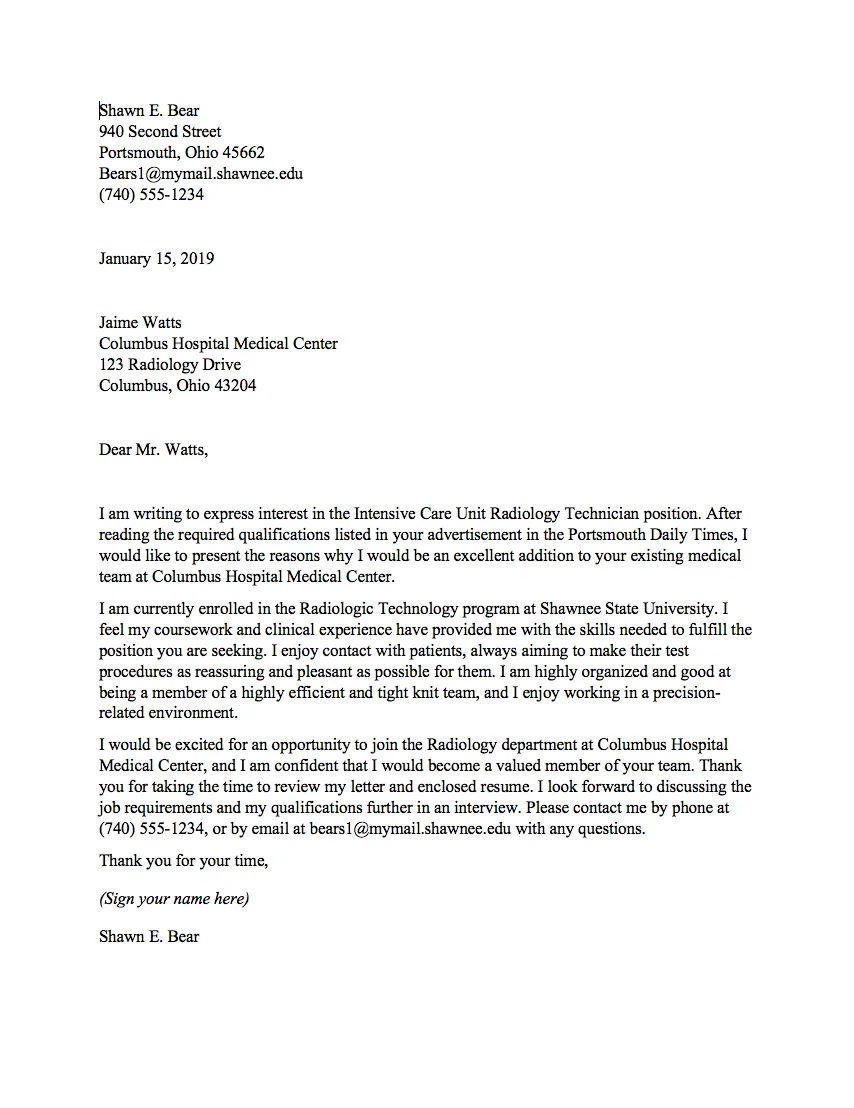
[Insert Sample Cover Letter Here]. Use the sample as a starting point, tailoring it to your needs and the individual co-op’s requirements. Remember to adapt it to your own experiences, qualifications, and the specific co-op. Always proofread before sending the finished product. Adapt the sample to reflect your strengths and the co-op’s needs to make your application stand out.