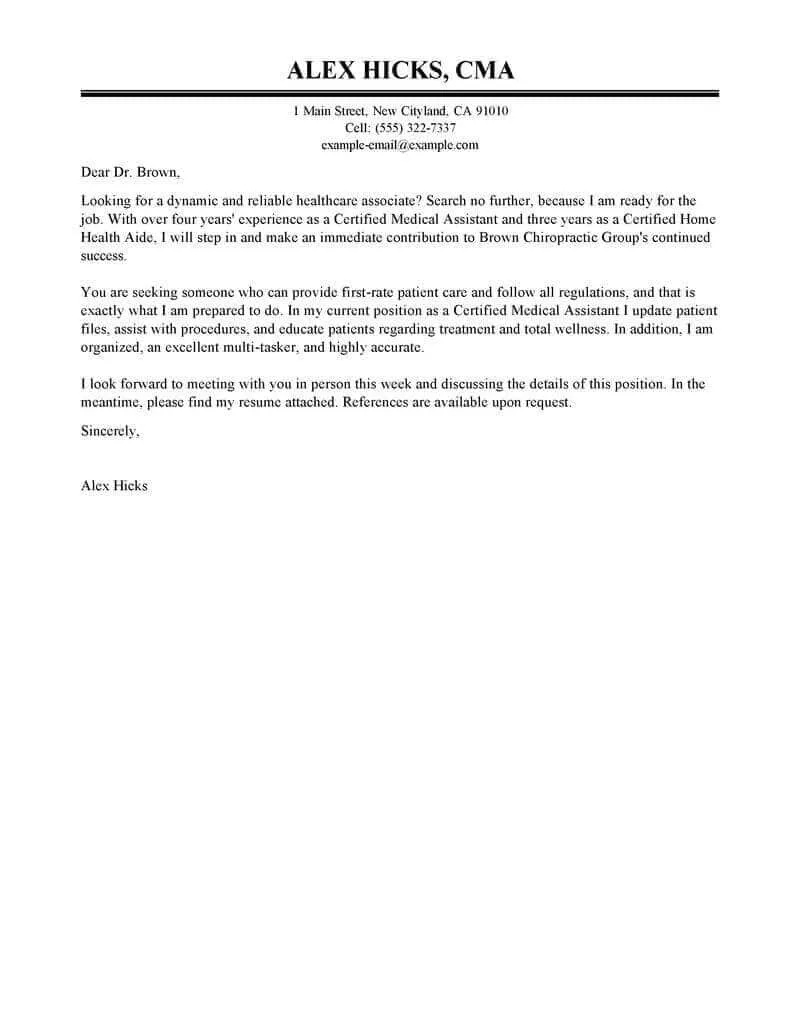
Cover Letter: Why It Matters
In the competitive landscape of job applications, a well-crafted cover letter is your first opportunity to make a lasting impression. It serves as more than just an introduction; it’s your chance to showcase your personality, passion, and the unique value you bring to the table. While a resume provides a snapshot of your experience and skills, the cover letter allows you to tell your story, connecting your qualifications to the specific needs of the employer. It’s where you can demonstrate your understanding of the role, explain why you’re the ideal candidate, and express your enthusiasm for the opportunity. Failing to submit a compelling cover letter is a missed opportunity to stand out from the crowd and make a positive first impression. This is where you get the chance to persuade the employer to read your resume and consider your application.
Highlight Your Achievements
Focus on achievements rather than just listing responsibilities. Employers are interested in what you’ve accomplished, not just what you did. This is where you get to demonstrate real-world results, providing concrete evidence of your capabilities and how you’ve made a positive impact in previous roles. Rather than stating, ‘Managed social media accounts,’ say ‘Increased social media engagement by 40% within six months by implementing targeted content strategies.’ Highlighting achievements allows potential employers to quickly understand your value proposition and how you can bring similar success to their organization.
Quantify Your Accomplishments

Whenever possible, use numbers and data to support your claims. This provides concrete evidence of your achievements, making them more impactful and believable. Instead of saying, ‘Improved customer satisfaction,’ state ‘Increased customer satisfaction scores by 15% through implementing a new customer service protocol.’ Quantifiable results immediately demonstrate the tangible benefits you brought to previous employers, giving the hiring manager a clear understanding of your capabilities. The more specific you are, the better the impression.
Tailor to the Specific Job
Generic cover letters are easily spotted and often disregarded. Customizing your cover letter for each job application is a crucial step in demonstrating your genuine interest in the position and the company. Review the job description carefully and identify the key skills and experiences the employer is seeking. Then, align your qualifications with those requirements, using specific examples from your past to show how you meet their needs. Show that you understand the role and the company’s goals, and articulate how you can contribute to their success. This level of customization shows that you are serious about the opportunity and have taken the time to consider how your skills and experiences align with the specific role. It demonstrates effort and attention to detail, which are highly valued by employers.
Research the Company Culture
Before writing your cover letter, conduct thorough research on the company. Visit their website, read industry news, and check their social media profiles to understand their values, mission, and culture. This knowledge will help you tailor your letter to resonate with the employer. Mention specific aspects of the company that appeal to you, and explain how your skills and experience align with their values. This demonstrates that you are genuinely interested in joining their team and understand their business. Showing this level of knowledge will show that you are proactive, and that you are a good fit for the company.
Show, Don’t Just Tell

Instead of simply stating your skills and qualities, use specific examples to illustrate them. Provide brief stories that showcase your achievements, demonstrate your problem-solving abilities, and highlight your contributions in previous roles. This approach makes your cover letter more engaging and memorable. Instead of saying, ‘I am a team player,’ describe a time when you collaborated effectively with colleagues to achieve a common goal. This approach brings your qualifications to life and shows the employer how you can be successful in their organization. Stories have the power to connect with readers, making your letter more compelling and memorable.
Use Action Verbs
Start your sentences with strong action verbs to make your cover letter more dynamic and engaging. Action verbs bring your accomplishments to life, conveying energy and confidence. Instead of saying, ‘Was responsible for project management,’ say ‘Managed and successfully delivered multiple projects on time and within budget.’ Using action verbs will make your cover letter more compelling and highlight your accomplishments in a more impactful way. They demonstrate your ability to take initiative and achieve results, which are highly valued by employers.
Format and Style: Make It Readable
A well-formatted cover letter is easier to read and more likely to make a positive impression. Use a clean, professional font, such as Arial or Times New Roman, and maintain consistent formatting throughout the document. Keep paragraphs concise, and use bullet points or numbered lists to highlight key achievements or skills. A well-formatted cover letter shows attention to detail and respect for the reader’s time. Avoid lengthy paragraphs and complex sentence structures. The easier your letter is to read, the more likely it is that the hiring manager will take the time to read the whole document.
Keep It Concise and Professional

Your cover letter should be concise, ideally no more than one page. Focus on the most relevant information and avoid unnecessary details. Maintain a professional tone throughout the letter, using formal language and avoiding slang or jargon. Make sure your cover letter is well-structured, with a clear introduction, body, and conclusion. Keep your tone enthusiastic, but avoid sounding overly casual. It’s important to maintain a balance of enthusiasm and professionalism in your cover letter. The goal is to get the hiring manager interested in reading your resume and inviting you for an interview.
Proofread Meticulously
Errors in your cover letter can undermine your credibility and damage your chances of getting an interview. Before submitting your application, carefully proofread the document for any grammatical errors, spelling mistakes, or typos. It’s helpful to have a friend, family member, or career counselor review your cover letter as well. They may catch errors that you missed. Remember to check the company’s name, the hiring manager’s name, and the job title to ensure that all information is correct. A flawless cover letter shows that you pay attention to detail and take your job applications seriously, which will increase your chances of getting an interview.
Check for Grammar and Spelling
Even a single grammatical error or misspelled word can create a negative impression. Thoroughly proofread your cover letter for any mistakes in grammar, punctuation, and spelling. Use a grammar checker, such as Grammarly or ProWritingAid, but don’t rely on them entirely; these tools can miss subtle errors. Consider reading your cover letter aloud, as this can help you identify awkward phrasing or other issues. A polished, error-free cover letter reflects professionalism and attention to detail, increasing your chances of a favorable response.
Follow Up Appropriately

After submitting your cover letter and resume, it’s appropriate to follow up with the hiring manager or recruiter. However, do not overdo it; following up too frequently can be seen as annoying. Send a brief email or make a phone call one to two weeks after submitting your application, expressing your continued interest and asking about the status of your application. This demonstrates your enthusiasm and initiative, but also respect the hiring process. This is a fine line, but following up shows the employer that you’re invested in this opportunity. Be polite, concise, and respectful of their time.