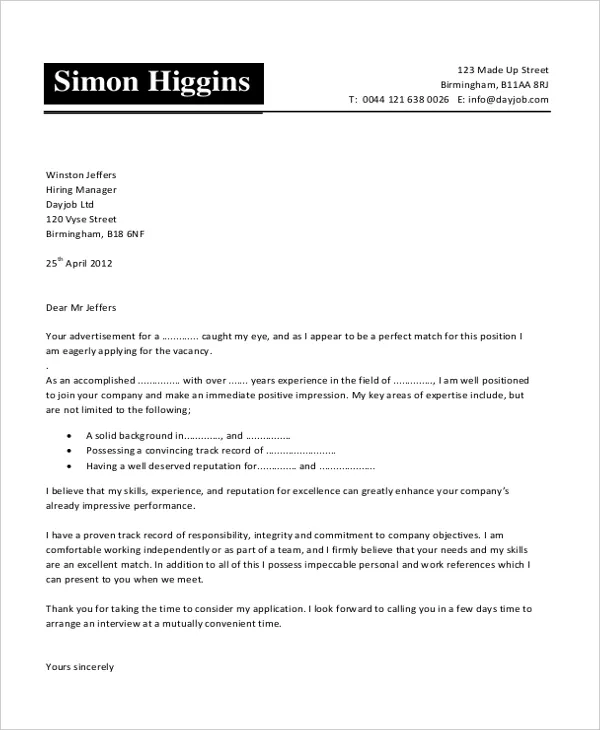
What is a Cover Letter
A cover letter is a crucial document that accompanies your resume when applying for a job. It serves as your introduction to the hiring manager, providing a personalized narrative that expands on the information presented in your resume. Unlike your resume, which offers a snapshot of your skills and experience, a cover letter allows you to highlight specific accomplishments, express your enthusiasm for the position and the company, and explain why you are the ideal candidate. This letter is your opportunity to make a strong first impression and demonstrate your written communication skills. Therefore, it’s an important step in making a positive impression on the hiring manager and increasing your chances of landing an interview. A well-crafted cover letter sets the stage for a successful job application.
Importance of a Cover Letter
The importance of a cover letter cannot be overstated. It is often the first document a hiring manager will read, making it your initial opportunity to make a strong impression. A well-written cover letter demonstrates your genuine interest in the position and the company. It allows you to personalize your application by highlighting specific skills and experiences that directly align with the job requirements. By showcasing your understanding of the role and the company’s needs, you can distinguish yourself from other applicants who may only submit a resume. Furthermore, a cover letter gives you a chance to explain any gaps in your resume or unusual circumstances that may require context. Its strategic use can significantly increase your chances of getting an interview, making it an indispensable part of the job application process.
Cover Letter vs Resume

While both the cover letter and resume are critical components of a job application, they serve different purposes. A resume provides a concise summary of your work history, skills, and education. It’s a factual document designed to quickly present your qualifications. The cover letter, on the other hand, is a more narrative and personalized document. It allows you to elaborate on your experiences, explain why you are interested in the specific role and company, and articulate how your skills align with the job requirements. Think of your resume as a structured overview and your cover letter as the detailed story behind it. They complement each other: the resume presents the ‘what,’ and the cover letter explains the ‘why’ and the ‘how’ of your qualifications, making them both essential for a comprehensive application.
Key Components of a Cover Letter
A well-structured cover letter comprises several essential components that work together to create a compelling narrative. Each element contributes to making a strong first impression on the hiring manager. Proper formatting and content are critical for a professional presentation.
Header Section
The header is the first section of your cover letter, providing essential contact information and professional details. It should include your full name, address, phone number, and email address. It is usually placed at the top left corner. You should also include the date of the letter and the recipient’s information, such as the hiring manager’s name, title, and company address. Make sure to use a professional email address and ensure all contact details are accurate. This section ensures that the hiring manager can easily contact you if they are interested in your application and sets a formal and professional tone.
Greeting and Salutation

The greeting is your initial point of contact with the hiring manager, so it is very important to get it right. Ideally, you should address the letter to a specific person, such as the hiring manager or the recruiter. Use their name if possible: ‘Dear Mr./Ms. [Last Name]’. If you cannot find a name, a general greeting such as ‘Dear Hiring Manager’ or ‘Dear [Company Name] Team’ is acceptable. Avoid generic greetings like ‘To Whom It May Concern’ as it can make your letter sound impersonal and less engaging. Using the correct greeting shows that you have put in the effort to find out who is receiving your application and demonstrates your attention to detail.
Opening Paragraph
Your opening paragraph is designed to grab the reader’s attention immediately. Start with a clear statement of the position you are applying for and where you found the job posting. Then, briefly state why you are interested in the position and the company. This is your opportunity to express enthusiasm and make a positive first impression. Consider mentioning a key accomplishment or skill that makes you a strong fit for the role. The opening should be concise and compelling, immediately conveying your interest and highlighting your most relevant qualifications. A strong opening paragraph sets the tone for the rest of your letter and encourages the hiring manager to continue reading.
Body Paragraphs
The body paragraphs are the core of your cover letter, where you expand on your skills, experiences, and accomplishments. These paragraphs should provide specific examples that demonstrate how your qualifications align with the job requirements. Use the job description as a guide to highlight the skills and experiences that the company is looking for. Provide concrete examples of your accomplishments, using the STAR method (Situation, Task, Action, Result) to showcase your impact. Quantify your achievements whenever possible, using numbers and data to provide evidence of your contributions. Tailor these paragraphs to the specific job and company, emphasizing the most relevant aspects of your background. This detailed approach helps the hiring manager understand your capabilities and how you can contribute to their organization.
Closing Paragraph

Your closing paragraph should reiterate your interest in the position and the company. Summarize your key qualifications and express your enthusiasm for the opportunity. Include a call to action, such as inviting the hiring manager to contact you for an interview. Thank the reader for their time and consideration. Make sure to use a professional closing such as ‘Sincerely’ or ‘Best regards,’ followed by your typed name. The closing paragraph provides a final chance to reinforce your value and leave a lasting positive impression, encouraging the hiring manager to take the next step in the hiring process.
Formatting and Design
Formatting and design play a vital role in presenting a professional and polished cover letter. A well-formatted cover letter is easy to read and visually appealing, making a positive impact on the hiring manager. Proper formatting shows attention to detail and professionalism, which can significantly improve your application.
Font and Style
Choose a professional and easy-to-read font, such as Times New Roman, Arial, or Calibri. Use a font size between 10 and 12 points to ensure readability. The font style should be consistent throughout the document, avoiding excessive use of bold, italics, or underlining, except for emphasis where necessary. Maintain a clean and uncluttered design, making sure the text is easy on the eyes. Consistent font and style choices reflect professionalism and attention to detail, making your cover letter more approachable and enhancing the overall presentation.
Margins and Spacing

Set margins to at least one inch on all sides of the document to provide enough white space. Use single or 1.15 line spacing within paragraphs, with a double space between paragraphs. This layout provides a clean, airy look that makes the letter easier to read. Proper spacing prevents the letter from appearing cramped and ensures that the hiring manager can easily scan the content. Consistent margins and spacing improve the overall visual appeal, demonstrating your care and attention to detail.
Proofreading and Editing
Proofreading and editing are essential steps in ensuring your cover letter is free of errors and professionally presented. A cover letter with typos or grammatical mistakes can undermine your credibility. Make sure to check your document carefully before sending it, looking for any errors in grammar, spelling, punctuation, and word choice. Read your cover letter aloud to catch any awkward phrasing or sentences that do not flow well. Have someone else proofread your cover letter. They may catch mistakes you have overlooked. Proofreading demonstrates your attention to detail and commitment to quality, making your application stand out positively.
Common Mistakes to Avoid
Avoiding common mistakes is crucial to crafting a cover letter that effectively represents your qualifications. These mistakes can undermine your application and reduce your chances of getting an interview. Addressing these common issues is essential for a compelling and professional cover letter.
Generic Content

One of the most common mistakes is using a generic cover letter that is not tailored to the specific job or company. Generic content fails to demonstrate your genuine interest in the position and makes it appear as though you are sending the same letter to multiple employers. Customize your cover letter for each application by researching the company and the specific role. Highlight how your skills and experiences align with the job requirements. Personalize the tone to reflect the company’s culture. Customization shows that you have invested time and effort and enhances your chances of making a positive impression.
Typos and Grammatical Errors
Typos and grammatical errors are a significant red flag. They signal a lack of attention to detail and can make you appear unprofessional. Thoroughly proofread your cover letter to catch any mistakes in spelling, grammar, and punctuation. Use spell-check tools, but also read the letter carefully, as these tools may not always catch errors. Asking a friend or family member to review your letter is also a good idea. Proofreading demonstrates professionalism, attention to detail, and respect for the hiring manager’s time, all of which are essential for a successful application.
Lack of Enthusiasm
A cover letter should convey genuine enthusiasm for the role and the company. A lack of enthusiasm can make your application seem uninspired and unconvincing. Clearly express your excitement about the opportunity and the company’s mission. Highlight specific reasons why you are interested in the position and what you find appealing about the company. Show how you can contribute to their success. Expressing enthusiasm makes your cover letter more engaging and shows the hiring manager that you are genuinely interested in joining their team, which can significantly improve your chances of being selected for an interview.
Tailoring Your Cover Letter

Tailoring your cover letter to each job application is essential for demonstrating your suitability for the role. A customized letter shows you have done your research and understand the company’s needs. Customization is key to making a positive impression.
Researching the Company
Before writing your cover letter, research the company to understand its mission, values, and recent activities. Visit the company’s website and read their ‘About Us’ section. Look for recent news articles, press releases, or social media posts to learn about their current projects and goals. Show your knowledge of the company by referencing specific products, services, or initiatives in your cover letter. This research will help you tailor your letter to their specific needs and demonstrate that you are genuinely interested in the position and the company.
Matching Skills to Requirements
Carefully review the job description and identify the key skills and experiences the employer is seeking. In your cover letter, highlight your qualifications and accomplishments. Provide specific examples of how you have used these skills in the past. Use the STAR method (Situation, Task, Action, Result) to illustrate your successes. By directly addressing the requirements outlined in the job description, you demonstrate that you possess the skills and experience needed to excel in the role. This approach increases the relevance of your letter and your chances of getting an interview.
Keywords Integration

Incorporate relevant keywords from the job description throughout your cover letter. Keywords are important because they often help your application get past Applicant Tracking Systems (ATS). Read the job description carefully and identify the key terms and phrases that are being used to describe the required skills and experiences. Integrate these keywords naturally into your cover letter to highlight your qualifications. However, avoid keyword stuffing, as this can make your letter sound unnatural. Use these words strategically to show you possess the required skills and experiences, which helps your application stand out and get noticed by both the ATS and the hiring manager.