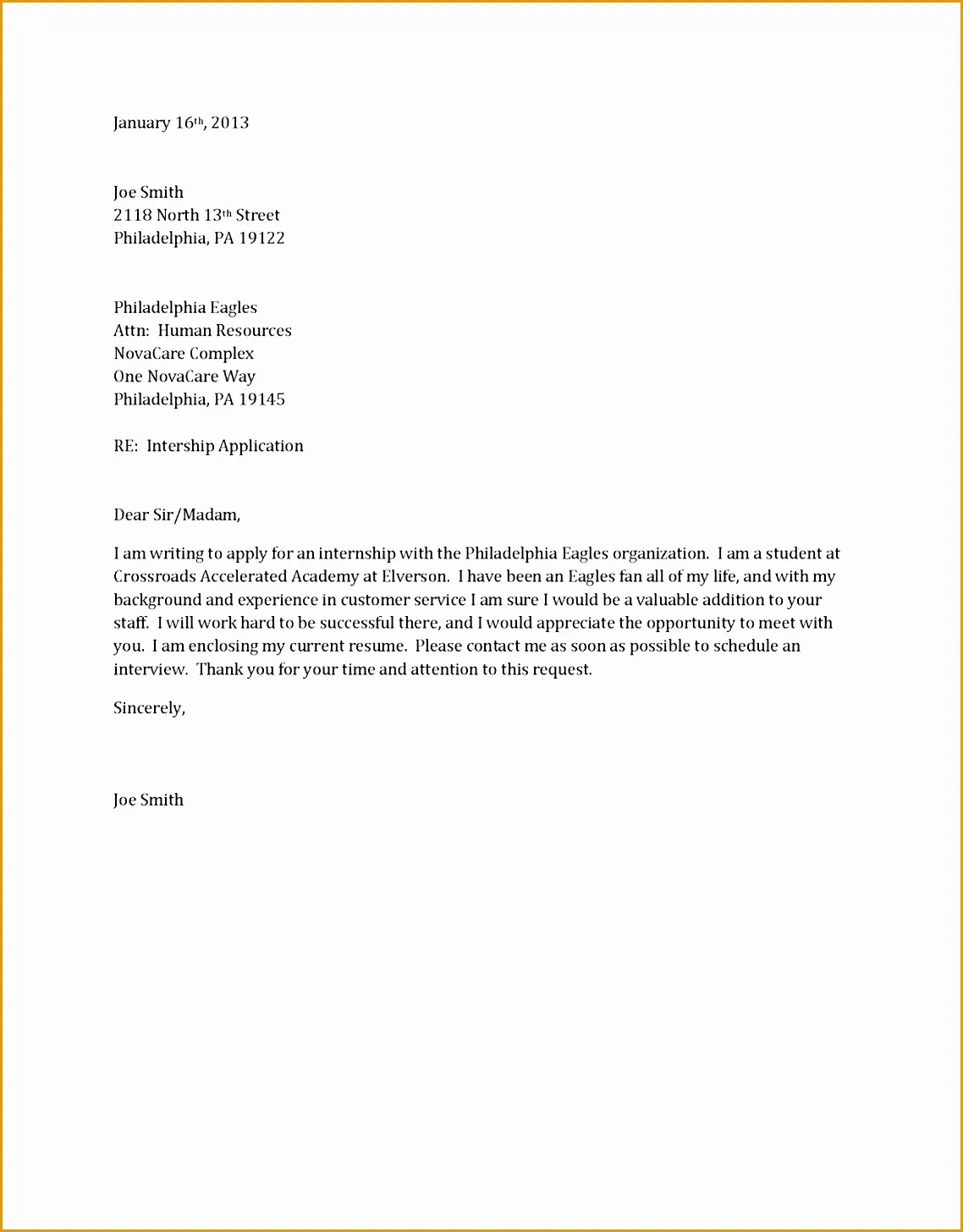
What is a Cover Letter?
A cover letter is a crucial document that accompanies your resume when applying for a job. It serves as your introduction to a potential employer, offering a personalized overview of your skills, experience, and why you’re the perfect fit for the role. Unlike a resume, which provides a factual summary of your qualifications, a cover letter allows you to showcase your personality, express your enthusiasm for the position, and explain how your skills align with the job requirements. It’s your opportunity to make a strong first impression and convince the hiring manager to read your resume with interest. The cover letter is more than just a formality; it’s a strategic tool in your job search arsenal, designed to highlight your unique value proposition and increase your chances of landing an interview.
Why is a Cover Letter Important?
The importance of a cover letter cannot be overstated. It provides context and personality to your application, helping you stand out from other candidates. A well-crafted cover letter demonstrates your communication skills, attention to detail, and genuine interest in the company and the specific role. It allows you to address any potential gaps or weaknesses in your resume and provides an opportunity to explain why you’re the ideal candidate. By highlighting your relevant skills and experiences and connecting them to the job requirements, you can make a compelling case for why you deserve an interview. Many hiring managers consider a cover letter a mandatory part of the application process, and failing to include one could automatically disqualify you from consideration. Furthermore, a strong cover letter indicates that you’ve taken the time to research the company and tailor your application, demonstrating a higher level of engagement and commitment to the role.
Cover Letter Format The Essential Elements

Understanding the core components of a cover letter format is the key to crafting an effective document. A standard cover letter format is structured to present information in a clear, concise, and professional manner. This structure typically includes a header, recipient’s details, a professional greeting, body paragraphs, a closing paragraph, and a professional closing. Each element plays a vital role in conveying your message effectively and making a positive impression on the hiring manager. Adhering to a proper format ensures that your cover letter is easy to read, well-organized, and showcases your professionalism. Let’s break down the essential elements to help you create a cover letter that gets noticed.
Header Section
The header is the first thing the hiring manager sees, so it should include your contact information: full name, phone number, email address, and optionally, your LinkedIn profile URL or other relevant links. This information should be clearly visible and formatted consistently. The header should typically be aligned to the top left or right of the page. Ensure your contact information is up-to-date and professional. Avoid using informal email addresses. The header sets the tone for the entire document, so it’s important to present yourself in a polished and professional manner right from the start. Think of the header as your personal branding statement, making it easy for the employer to reach you.
Recipient’s Details
Directly beneath your header, include the date and the recipient’s information. If possible, address the cover letter to a specific person (e.g., the hiring manager or recruiter) by name. Researching the company’s website or using LinkedIn can help you find the correct name and title. Including the recipient’s name shows that you’ve taken the time to personalize your application. If you can’t find a specific name, it’s acceptable to use a general greeting, but always prioritize finding the correct contact person. The recipient’s details typically include their name, title, the company’s name, and the company’s address. This section demonstrates your attention to detail and your respect for the recipient’s position.
Professional Greeting

Start your cover letter with a professional greeting. The best approach is to use the recipient’s name, such as “Dear Mr./Ms. [Last Name].” If you don’t know the name, use a more general greeting like “Dear Hiring Manager,” or “Dear [Department Name] Team.” Avoid overly casual greetings like “Hi” or “Hello.” The greeting sets the tone for the entire letter, so make sure it’s appropriate and professional. Ensure you spell the recipient’s name correctly, as this shows respect and attention to detail. A well-chosen greeting can immediately capture the reader’s attention and set a positive tone for the rest of your cover letter, making them more receptive to your message.
Body Paragraphs
The body paragraphs are the heart of your cover letter, where you showcase your skills, experience, and enthusiasm. Typically, a cover letter has three to four paragraphs. The first paragraph grabs the reader’s attention by stating the position you’re applying for and expressing your interest. The second paragraph highlights your relevant skills and experience, providing specific examples of your accomplishments. The third paragraph demonstrates your enthusiasm for the company and explains why you’re a good fit. Each paragraph should be concise, focused, and tailored to the specific job requirements. Use action verbs and quantifiable achievements to demonstrate your value and impact. The body paragraphs are your opportunity to tell your story and convince the hiring manager that you’re the perfect candidate.
First Paragraph Grabbing Attention
The first paragraph should immediately capture the reader’s attention. Start by clearly stating the position you’re applying for and where you found the job posting. Briefly express your interest in the role and the company. Show enthusiasm and a clear understanding of the job requirements. Avoid generic opening sentences. Instead, aim to make a strong statement that immediately piques the hiring manager’s interest. For example, you might mention a specific project you’ve worked on or a skill that aligns directly with the job description. The first paragraph sets the tone for the rest of the cover letter and creates the initial impression, so make it impactful and memorable. Tailor this paragraph to the specific job and company to show your genuine interest and understanding.
Second Paragraph Highlighting Skills

The second paragraph is where you highlight your relevant skills and experience. Focus on the skills and experiences that align with the job requirements. Provide specific examples and quantifiable achievements to demonstrate your abilities. Use action verbs to describe your accomplishments and show how you’ve made a positive impact in previous roles. Mention the specific projects, tools, or technologies you’ve worked with. Tailor this paragraph to the specific job, emphasizing the skills and experiences most relevant to the position. Show how your skills and experiences align with the job description, providing evidence of your value to the company. This paragraph should convince the hiring manager that you possess the necessary qualifications and are capable of performing the job.
Third Paragraph Demonstrating Enthusiasm
The third paragraph should demonstrate your enthusiasm for the company and the role. Explain why you’re interested in working for this specific company and what attracts you to the position. Mention any research you’ve done about the company’s mission, values, or recent achievements. Show that you understand the company’s culture and goals. Explain how your career aspirations align with the company’s opportunities. This paragraph helps the hiring manager understand your motivation and commitment to the role. Showing genuine enthusiasm can set you apart from other candidates. Tailor this paragraph to the specific company, highlighting your understanding and appreciation of their values and mission.
Closing Paragraph Strong Call to Action
In the closing paragraph, reiterate your interest in the position and summarize why you are the best fit. Include a strong call to action, such as requesting an interview or expressing your eagerness to discuss your qualifications further. Thank the hiring manager for their time and consideration. Keep the closing paragraph concise and positive. Use a professional and enthusiastic tone. The closing paragraph reinforces your interest and encourages the hiring manager to take the next step. This is your final opportunity to leave a lasting impression. Make sure it is clear, concise, and leaves the reader with a positive impression of your candidacy.
Professional Closing

End your cover letter with a professional closing. Use a standard closing like “Sincerely,” “Best regards,” or “Thank you.” Avoid overly casual closings. Leave a few lines for your signature (if submitting a hard copy) and then type your full name. This shows professionalism and respect for the recipient. Ensure your closing aligns with the overall tone of your cover letter. Choose a closing that reflects your enthusiasm and professionalism. This final touch ensures a polished and professional finish to your application.
Formatting Guidelines for Cover Letters
Proper formatting enhances readability and presents you as a professional candidate. Following formatting guidelines makes your cover letter easy to read and visually appealing. Pay attention to font, margins, spacing, and file format. Proper formatting also ensures your cover letter looks clean and organized. A well-formatted cover letter demonstrates your attention to detail and professionalism, both crucial qualities for any job applicant.
Font and Font Size
Choose a professional and easy-to-read font, such as Times New Roman, Arial, or Calibri. Use a font size between 10 and 12 points. Avoid using overly decorative or unusual fonts that might distract the reader. The font should be clear and legible. Consistent font formatting throughout the document is essential. Make sure the font size is appropriate for easy reading. The right font choice makes your cover letter more inviting to the reader and conveys a sense of professionalism.
Margins and Spacing

Use standard 1-inch margins on all sides of your cover letter. Use single spacing within paragraphs and double spacing between paragraphs. These settings create a clean and balanced layout, making your cover letter easier to read. Consistent margins and spacing improve readability. Avoid using too much or too little space, as this can affect the letter’s visual appeal. Properly formatted margins and spacing present your cover letter as professional and well-organized.
File Format and Submission
Save your cover letter as a PDF file unless the job posting specifies a different format. A PDF format preserves your formatting and ensures the recipient can view it correctly on any device. Always check the job posting for specific instructions. Name your file using a clear and professional naming convention, such as “YourName_CoverLetter.” Make sure your cover letter is attached correctly when submitting your application. PDF files are universally compatible, making them the preferred choice for professional documents. Adhering to the correct file format demonstrates attention to detail and professionalism.
Cover Letter Examples and Templates
Leveraging examples and templates is a great way to learn the structure and content of cover letters. Use examples and templates to guide your writing and understand the format. Various resources provide excellent examples of cover letters for different industries and job types. These resources can give you a clear idea of what a successful cover letter looks like. Customize templates to fit your skills, experience, and the specific job requirements. Make sure to personalize the template to reflect your unique qualifications. Use these resources to help you understand the elements of an effective cover letter and adapt them to suit your needs.
Common Mistakes to Avoid

Be aware of common mistakes that can undermine your cover letter. Avoid generic content, spelling and grammatical errors, and excessive length. Generic cover letters that lack personalization will not stand out. Always tailor your cover letter to the specific job and company. Proofread your cover letter carefully to eliminate any errors in spelling and grammar. Keep your cover letter concise, ideally within one page. Addressing these common pitfalls will significantly improve the quality and effectiveness of your cover letter, making you a stronger candidate.
Proofreading and Editing
Proofreading and editing are essential steps in ensuring your cover letter is flawless. Proofread your cover letter multiple times, checking for spelling, grammar, and punctuation errors. Read your cover letter aloud to catch any awkward phrasing. Ask a friend or family member to review your cover letter for a fresh perspective. Errors can damage your credibility and undermine your application. Thorough proofreading and editing demonstrate your attention to detail and professionalism. A well-edited cover letter can significantly increase your chances of landing an interview.