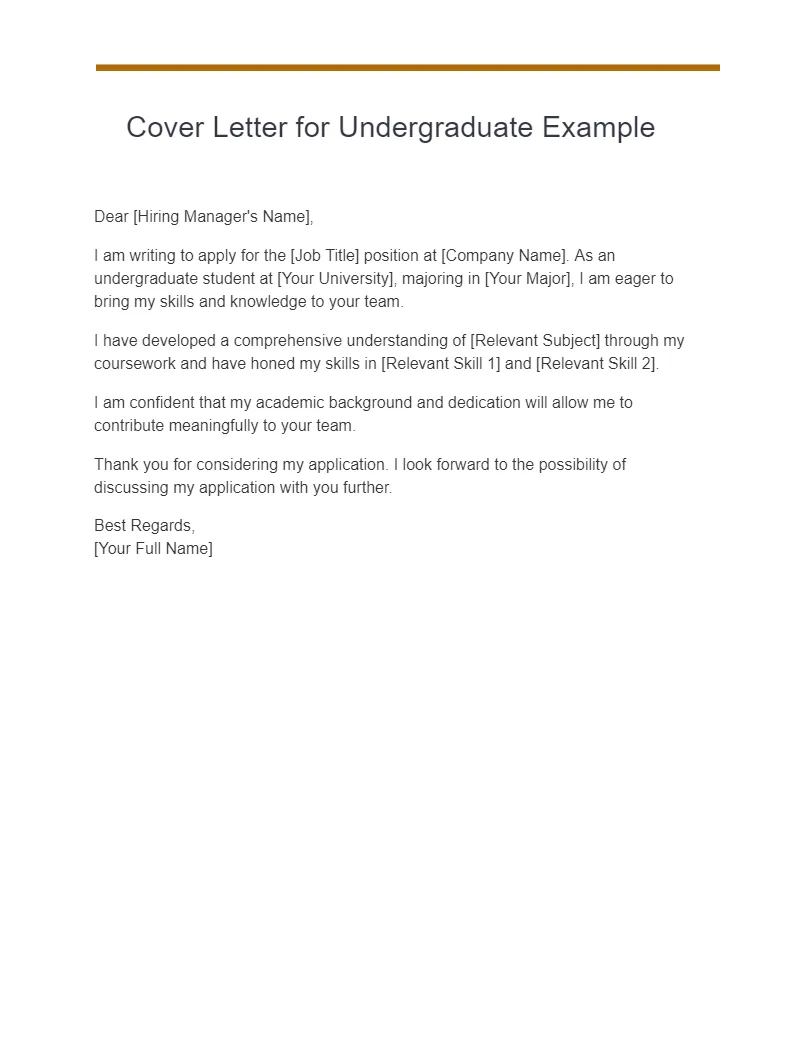
Crafting a Stellar University Student Cover Letter
As a university student, you’re likely at the beginning of your career journey, and a well-crafted cover letter is your secret weapon. It’s your first chance to make a strong impression and showcase why you’re the ideal candidate, even without extensive professional experience. This guide will help you navigate the process, from understanding the purpose of a cover letter to structuring it for maximum impact, ensuring you stand out from the competition and get hired fast. A compelling cover letter can transform your application from good to great. Let’s dive into the essential elements needed to craft a cover letter that grabs attention and lands you that dream job or internship. Remember, your cover letter is not just a formality; it’s a vital tool for communicating your potential and enthusiasm to prospective employers.
Understanding the Purpose of a Cover Letter
A cover letter is more than just a formality; it’s your opportunity to introduce yourself, highlight your skills, and express your enthusiasm for the position. Unlike your resume, which provides a factual overview of your qualifications, your cover letter allows you to tell a story. It explains why you’re interested in the specific role and how your unique skills and experiences align with the company’s needs. It provides context and personality that a resume alone cannot convey. By understanding its purpose, you can tailor your letter to effectively communicate your value, making it more impactful and memorable for the hiring manager. Remember, the goal is to showcase your fit for the role and make the reader want to learn more about you during the interview stage.
Highlighting Your Skills and Experiences

Your cover letter is the perfect place to emphasize the skills and experiences you’ve gained, whether through coursework, extracurricular activities, or previous jobs. Focus on the abilities most relevant to the position. Quantify your achievements whenever possible – for example, instead of saying ‘Managed social media,’ say ‘Increased social media engagement by 20% through strategic content creation.’ Use action verbs to describe your accomplishments, such as ’led,’ ‘organized,’ ‘developed,’ and ‘implemented.’ This section should clearly demonstrate the value you can bring to the company. Show, don’t just tell, by providing specific examples of how you’ve utilized your skills in the past, illustrating your ability to perform well in the role.
Showcasing Relevant Coursework and Projects
Even as a student, your academic work can be a significant asset. Highlight relevant coursework, projects, and research that demonstrate your understanding of the field and your ability to apply theoretical knowledge. Mention specific projects where you applied skills related to the job description. If you’ve worked on a group project, describe your role and the impact of your contributions. This shows you’re not only familiar with the subject matter but also capable of practical application. This demonstrates your proactive approach to learning and your dedication to developing the skills needed for the job. This section bridges the gap between academic pursuits and professional readiness.
Demonstrating Soft Skills for Success
Soft skills, like communication, teamwork, problem-solving, and time management, are crucial for success in any role. Use your cover letter to showcase these abilities. Provide examples of how you’ve demonstrated these skills in your academic, extracurricular, or part-time work experiences. For example, you might describe how you resolved a conflict in a group project (teamwork), how you managed multiple deadlines while working on a research paper (time management), or how you presented complex information to a non-expert audience (communication). These skills are highly valued by employers, as they indicate your ability to work effectively in a professional environment and contribute to a positive team dynamic.
Tailoring Your Cover Letter to the Job Description

Never send a generic cover letter. Always tailor your letter to the specific job and the company. Carefully review the job description and identify the key requirements and desired skills. Then, use your cover letter to highlight how your qualifications and experiences align with those requirements. Customize your letter to speak directly to the employer’s needs and show that you understand the role and the company’s goals. This demonstrates your attention to detail and your genuine interest in the position. A tailored cover letter makes a strong impression, proving that you’ve taken the time to understand the company and are a good fit for their culture.
Researching the Company and the Role
Before you start writing, research the company and the specific role you’re applying for. Understand their mission, values, and recent projects. Visit their website, read their press releases, and check their social media presence. This research will help you tailor your cover letter to reflect your understanding of the company’s needs and your ability to contribute to their goals. Mentioning specific company projects or initiatives that interest you will demonstrate your genuine interest and make your application stand out. Understanding the role itself is equally important, so analyze the job description carefully, focusing on the key skills and responsibilities, to emphasize how you can meet their expectations.
Using Keywords Effectively
Use keywords from the job description throughout your cover letter. This helps your application pass through applicant tracking systems (ATS), which often scan for specific keywords. However, don’t stuff your letter with keywords; use them naturally within your sentences. Incorporate relevant keywords when describing your skills, experiences, and accomplishments. This ensures your cover letter remains readable and showcases how your qualifications align with the requirements. Aim for a balance between using keywords to get noticed and crafting a compelling narrative that highlights your personality and passion for the role. This strategy ensures you’re not only seen but also remembered.
Structuring Your Cover Letter for Impact

A well-structured cover letter is crucial for keeping the reader engaged. Use a clear, concise format that is easy to follow. Structure your letter with an engaging introduction, a compelling body that highlights your key skills and experiences, and a strong conclusion that reiterates your interest and calls for action. Proper formatting makes your cover letter visually appealing and showcases your attention to detail. This structure should guide the reader through your qualifications, making a positive and lasting impression.
The Header and Contact Information
Start your cover letter with a professional header that includes your full name, contact information (phone number, email address, and LinkedIn profile URL, if applicable), and the date. Also, include the employer’s name, the hiring manager’s name (if known), and the company’s address. Make sure your contact information is accurate and up-to-date. Using a professional email address and a polished LinkedIn profile adds to your credibility. This section sets the stage for a professional and polished application, helping the hiring manager easily reach you.
The Opening Paragraph Grabbing Attention
Your opening paragraph should immediately grab the reader’s attention. Start with a strong statement that highlights your enthusiasm for the position and the company. Mention where you saw the job posting and why it interests you. You might also briefly mention a key skill or experience that aligns with the job requirements. Avoid generic openings like “I am writing to express my interest…” Instead, use a more dynamic approach. This first paragraph is your hook; it sets the tone for the rest of your letter and encourages the reader to continue reading.
Body Paragraphs Showcasing Your Value

The body paragraphs are where you showcase your qualifications and experiences. Use this space to highlight your relevant skills, achievements, and experiences. Provide specific examples that demonstrate your abilities and explain how your skills align with the job requirements. Use action verbs to describe your accomplishments and quantify your results whenever possible. Each paragraph should focus on a specific aspect of your qualifications, making it easy for the reader to understand your value. This section is the meat of your cover letter; it’s where you demonstrate your fit for the role and show why you’re the best candidate.
The Closing Paragraph and Call to Action
Your closing paragraph should reiterate your interest in the position and thank the reader for their time and consideration. Include a call to action, such as expressing your eagerness to discuss your qualifications further and inviting the hiring manager to contact you for an interview. Make sure to end with a professional closing, such as “Sincerely” or “Best regards,” followed by your name. A strong closing leaves a lasting positive impression and prompts the hiring manager to take the next step in the hiring process.
Proofreading and Editing Your Cover Letter
Proofreading and editing are critical steps in ensuring your cover letter is polished and professional. Errors, such as typos, grammatical errors, and inconsistencies, can damage your credibility and undermine your application. Before submitting your cover letter, carefully proofread it multiple times, checking for any mistakes. Consider having a friend, professor, or career advisor review your letter to catch any errors you might have missed. A polished cover letter demonstrates your attention to detail and professionalism, increasing your chances of getting an interview.
Common Mistakes to Avoid

Avoid common mistakes like using generic language, not tailoring your letter to the specific job, and including irrelevant information. Don’t simply rehash your resume; instead, use your cover letter to provide context and explain why your skills and experiences make you the ideal candidate. Avoid clichés and overly formal language. Ensure your letter is concise, clear, and easy to read. Proofread your letter carefully to catch any typos or grammatical errors. By avoiding these common pitfalls, you can make your cover letter more effective and significantly increase your chances of securing an interview. Remember, a well-crafted cover letter is your chance to shine.
Seeking Feedback and Refining Your Letter
Once you’ve drafted your cover letter, seek feedback from others. Ask a career advisor, professor, or trusted friend to review your letter and provide constructive criticism. They can offer valuable insights into areas for improvement and help you catch any mistakes you might have missed. Be open to feedback and willing to revise your letter based on the suggestions you receive. Reviewing your cover letter multiple times and incorporating feedback is a crucial step. Refine your letter until you’re confident it represents you and your skills effectively. This process ensures your cover letter is well-written, compelling, and tailored to the job, giving you the best chance of success.