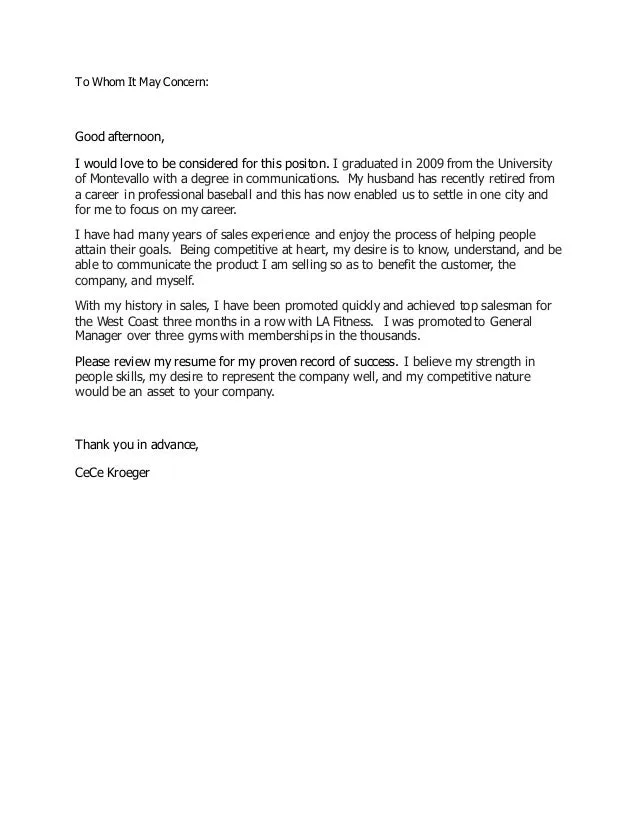
Crafting Your Cover Letter
A well-crafted cover letter is your first opportunity to make a positive impression on a potential employer. It serves as a crucial introduction, providing context to your resume and highlighting why you are the ideal candidate for a specific role. Unlike a resume, which presents a summary of your experience, a cover letter allows you to express your personality, articulate your career goals, and demonstrate your enthusiasm for the position and the company. This guide will walk you through the essential steps and best practices for writing a compelling cover letter that gets noticed.
Understanding the Purpose
Why a Cover Letter Matters

In a competitive job market, a cover letter can be your secret weapon. It gives you the chance to go beyond the bullet points of your resume and tell your story. A cover letter allows you to connect your skills and experiences to the specific requirements of the job, showing the hiring manager why you are a perfect fit. It also demonstrates your communication skills, attention to detail, and genuine interest in the opportunity. A strong cover letter can set you apart from other applicants and increase your chances of landing an interview.
Key Components of a Cover Letter
Header Information
Begin your cover letter with a professional header. This should include your full name, address, phone number, and email address. Ensure your contact information is current and professional-sounding. If you have a professional online presence, like a LinkedIn profile, you can also include a link to it in your header. Make sure that your header is easy to read and well-organized to provide the recruiter with immediate contact details.
Date and Recipient Information

Following your header, include the date you are sending the letter. Then, address the recipient. If possible, find the hiring manager’s name or the specific person to whom you should address your application. This shows that you’ve done your research and are taking the time to personalize your application. Use a formal salutation such as “Dear Mr./Ms./Mx. [Last Name]” to maintain professionalism.
Salutation
Your salutation should be formal and professional. “Dear Mr./Ms./Mx. [Last Name]” is the standard. Avoid using “To Whom It May Concern” if you can find a specific contact person. If you cannot find a name, you might use a title like “Dear Hiring Manager” or “Dear [Department Name] Team.” Always use a comma after the salutation.
Body Paragraphs
Opening Paragraph

Your opening paragraph is your first chance to grab the reader’s attention. State the specific position you’re applying for and how you learned about it. Briefly mention why you are interested in the role and the company. Clearly express your enthusiasm for the opportunity and hint at why you are a great fit. Keep it concise and engaging to make the reader want to learn more.
Highlighting Your Skills and Experience
The body of your cover letter should highlight your most relevant skills and experiences. Choose 2-3 key skills or accomplishments that align with the job description and provide specific examples to illustrate them. Use the STAR method (Situation, Task, Action, Result) to describe how you have utilized these skills in past experiences. Quantify your achievements whenever possible to demonstrate the impact you’ve made.
Demonstrating Your Enthusiasm
Show your genuine interest in the company and the specific role. Research the company’s mission, values, and recent projects. Mention something specific that excites you about the opportunity or the company’s work. This demonstrates that you are not just sending a generic application and that you have a sincere desire to contribute to their success.
Closing Paragraph

In your closing paragraph, reiterate your interest in the position and thank the reader for their time and consideration. Express your enthusiasm for the possibility of an interview. Keep the tone professional and confident.
Call to Action
End your cover letter with a clear call to action. This can be as simple as stating that you are available for an interview at their earliest convenience or that you look forward to hearing from them soon. Provide your contact information again to ensure they can easily reach you. Finish with a professional closing, such as “Sincerely” or “Best regards,” followed by your full name.
Essential Formatting Tips
Font and Font Size

Choose a professional, easy-to-read font, such as Times New Roman, Arial, or Calibri. Use a font size between 10 and 12 points. Ensure the text is clear and legible. Consistency in font and size throughout the document is crucial for a polished look.
Margins and Spacing
Set your margins to 1 inch on all sides to create a clean and balanced look. Use single spacing within paragraphs and double spacing between paragraphs to improve readability. Proper spacing prevents the letter from appearing crowded and makes it easier for the recruiter to scan and read.
Proofreading and Editing
Before submitting your cover letter, thoroughly proofread and edit your work. Check for any grammatical errors, typos, or inconsistencies. Read the letter aloud to catch any awkward phrasing. Have a friend or family member review your letter for a fresh perspective. Ensure the letter is clear, concise, and error-free.
Common Mistakes to Avoid

Generic Salutations
Avoid using generic salutations like “To Whom It May Concern.” Always address the letter to a specific person or title whenever possible. If you can’t find a name, use “Dear Hiring Manager” or “Dear [Department Name] Team.” Personalizing the salutation shows you’ve taken the time to research the company and role.
Typos and Grammatical Errors
Typos and grammatical errors can immediately disqualify you. Proofread your cover letter multiple times, and use a grammar and spell-checker. Ensure your writing is clear, concise, and professional. Even a minor error can leave a negative impression on the recruiter.
Lack of Personalization
Avoid sending generic cover letters that could be used for any job. Tailor each letter to the specific role and company. Demonstrate that you understand the job requirements and are genuinely interested in the opportunity. Customize your letter to reflect the specific skills and experiences that make you the perfect candidate.
Too Much or Too Little Information
Keep your cover letter concise and focused. Avoid including irrelevant information or repeating everything from your resume. Aim for one page, highlighting your key qualifications and achievements. Be sure to provide enough detail to convey your skills and enthusiasm without overwhelming the reader.
Tailoring Your Cover Letter
Researching the Company
Before writing your cover letter, research the company. Understand their mission, values, and recent projects. This knowledge will help you tailor your letter to show how your skills and experiences align with their needs and culture. Use the company’s website, social media, and press releases to gather information.
Matching Skills to Job Requirements
Carefully review the job description and identify the key skills and qualifications the employer is seeking. Highlight these skills in your cover letter, providing specific examples to demonstrate how you’ve utilized them in the past. Show how your skills and experiences make you a strong fit for the role.
Using Keywords Effectively
Use keywords from the job description throughout your cover letter. This helps applicant tracking systems (ATS) identify your application as a potential match. However, don’t simply stuff keywords into your letter. Integrate them naturally into your sentences, ensuring your writing remains clear, concise, and engaging. Using the correct keywords makes your application more likely to be seen by the hiring manager.
The Finishing Touches
Proofreading and Editing
Before submitting your cover letter, proofread it multiple times. Check for grammar, spelling, punctuation, and formatting errors. Make sure your tone is professional and the language is clear and concise. Having a second pair of eyes can catch errors you might miss. Ensure your cover letter is flawless before sending it out.
Saving Your Cover Letter
Save your cover letter as a PDF file to ensure its formatting remains consistent across different devices and platforms. Name the file with your name and the job title, such as “[Your Name] - Cover Letter - [Job Title].pdf.” This makes it easy for recruiters to identify your document. Following these steps will significantly enhance your chances of creating a cover letter that gets you noticed and helps you land the job you desire.