Cover Letter Ideas for Your Dream Job
A well-crafted cover letter can be the key to unlocking the door to your dream job. It’s your chance to introduce yourself, showcase your skills, and demonstrate your enthusiasm for the position. In a competitive job market, a strong cover letter can make you stand out from the crowd. This article provides various ideas, tips, and strategies for crafting a compelling cover letter that grabs the attention of hiring managers and increases your chances of landing an interview. From understanding the purpose of a cover letter to avoiding common mistakes, we’ll cover everything you need to know to make a lasting impression.
Understanding the Purpose of a Cover Letter
The primary purpose of a cover letter is to complement your resume and provide additional context to your application. While your resume lists your qualifications and experiences, your cover letter allows you to explain why you’re the perfect fit for the specific role and company. It’s your opportunity to highlight your personality, demonstrate your passion for the industry, and connect your skills with the employer’s needs. A well-written cover letter goes beyond simply restating your resume; it tells a story about who you are and why you should be hired.
Why is a Cover Letter Important?

In today’s job market, a cover letter is still a critical component of the application process. Many hiring managers consider cover letters essential for evaluating a candidate’s communication skills, attention to detail, and genuine interest in the position. A cover letter allows you to elaborate on specific experiences, explain gaps in your resume, and demonstrate your understanding of the company’s values and goals. It can also show your ability to write a compelling narrative, a skill highly valued in many professional roles. By taking the time to craft a thoughtful cover letter, you demonstrate your commitment to the application process and increase your chances of standing out among other applicants. Image: cover-letter-importance.webp
Key Components of a Cover Letter
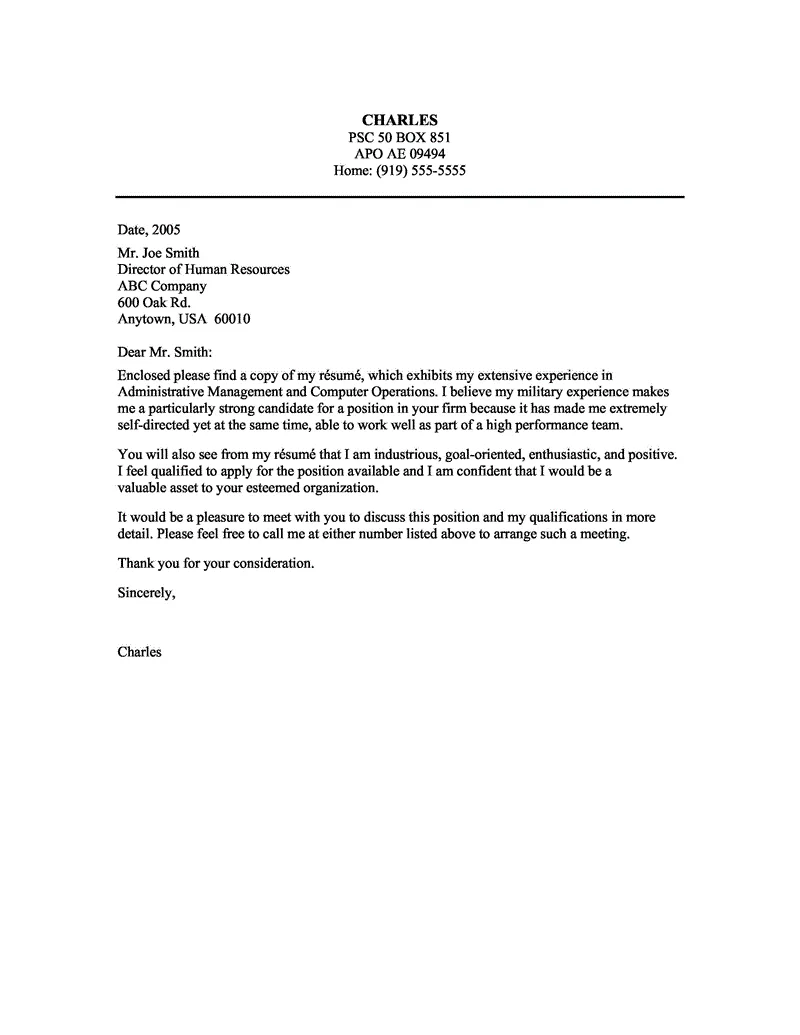
A successful cover letter typically includes several key components. Start with a strong introduction that grabs the reader’s attention and states the position you’re applying for. Then, highlight your relevant skills and experiences, using specific examples to demonstrate your achievements. Explain why you’re interested in the company and the role, showing that you’ve done your research. Tailor your letter to the specific job description, using keywords and addressing the employer’s needs. Finally, close with a call to action, expressing your enthusiasm for the opportunity and your willingness to discuss your qualifications further. Be sure to include your contact information. Image: components-cover-letter.webp
Brainstorming Ideas for Your Cover Letter
Before you start writing, take some time to brainstorm ideas. Think about your career goals, the specific requirements of the job, and your unique selling points. Consider what makes you stand out from other candidates. Make a list of your key skills, accomplishments, and experiences that are relevant to the position. Research the company’s values, mission, and recent news. Identify any areas where your skills and experience align with the company’s needs. By brainstorming, you can gather the necessary information to craft a compelling cover letter that showcases your qualifications and demonstrates your genuine interest in the role.
Highlighting Your Skills and Achievements

Your cover letter should highlight your relevant skills and achievements. Instead of simply listing your skills, provide specific examples of how you’ve used those skills to achieve results in previous roles. Quantify your achievements whenever possible, using numbers and data to demonstrate your impact. For example, instead of saying “Improved customer satisfaction,” say “Increased customer satisfaction by 15% through implementing a new feedback system.” Tailor your examples to the specific requirements of the job description, emphasizing the skills and experiences that are most relevant to the employer’s needs. Use action verbs to describe your accomplishments. Image: skills-achievement.webp
Tailoring Your Cover Letter to the Job Description
One of the most important cover letter ideas is to tailor your cover letter to each job description. Carefully review the job posting and identify the key requirements, skills, and qualifications that the employer is seeking. Then, use your cover letter to demonstrate how your skills and experience align with those requirements. Use keywords from the job description throughout your letter to show that you’ve read and understood the posting. Avoid using a generic cover letter; instead, personalize it to reflect the specific needs of the employer. This shows that you’ve taken the time to understand the role and that you’re genuinely interested in the opportunity. Image: tailoring-job-description.webp
Showcasing Your Personality and Enthusiasm
Your cover letter is also an opportunity to showcase your personality and enthusiasm. While maintaining a professional tone, let your genuine interest in the role and company shine through. Share what excites you about the opportunity and why you’re a good fit for the company culture. Demonstrate your knowledge of the company’s values, mission, and recent achievements. Avoid sounding generic or impersonal; instead, inject your unique voice and perspective into your letter. Show that you’re not just qualified for the job, but that you’re also passionate about it.
Formatting and Structure Cover Letter Ideas

The format and structure of your cover letter are crucial for making a positive first impression. Use a professional font, such as Arial or Times New Roman, and maintain consistent formatting throughout the document. Keep your letter concise and easy to read, aiming for no more than one page. Use clear headings, bullet points, and white space to break up the text and guide the reader’s eye. Make sure your letter is well-organized, with a clear introduction, body paragraphs, and conclusion. Proofread your letter carefully to ensure that it is free of errors and typos. Image: cover-letter-formatting.webp
Choosing the Right Tone and Style
The tone and style of your cover letter should be professional and appropriate for the industry and the specific company. Research the company’s culture and values to determine the appropriate tone. In general, aim for a balance between formal and friendly. Use clear, concise language and avoid jargon or overly complex sentences. Be enthusiastic and positive, but avoid sounding overly casual or informal. Proofread your letter carefully to ensure that the tone and style are consistent throughout. Consider the impact of your word choices and ensure they communicate your message clearly and effectively.
Effective Opening and Closing Statements
Your opening and closing statements are critical for capturing the reader’s attention and leaving a lasting impression. Your introduction should immediately state the position you’re applying for and briefly mention why you’re interested in the role. Instead of using generic opening lines, try to be more creative and engaging. Your closing statement should reiterate your interest in the position, summarize your key qualifications, and express your willingness to discuss your application further. Include a call to action, such as stating that you look forward to hearing from them soon or that you are available for an interview at their earliest convenience. Show your contact information and thank the reader for their time and consideration.
Proofreading and Editing Your Cover Letter

Before submitting your cover letter, proofread and edit it carefully to ensure that it is free of errors and typos. Errors can undermine your credibility and make you appear unprofessional. Use a grammar checker and spell checker, but also read your letter aloud to catch any awkward phrasing or sentence structure issues. Have a friend or family member review your letter and provide feedback. Check the formatting to make sure it is consistent and easy to read. Pay attention to detail and ensure that your letter is polished and error-free. A well-proofread cover letter demonstrates your attention to detail and your commitment to excellence. Image: cover-letter-mistakes.webp
Common Cover Letter Mistakes to Avoid
Avoiding common cover letter mistakes can significantly increase your chances of success. Avoid generic cover letters that are not tailored to the specific job. Make sure to tailor your letter to each job description. Don’t simply restate your resume; instead, provide additional context and highlight your key accomplishments. Avoid using jargon or overly complex language. Be concise and easy to read. Avoid typos, grammatical errors, and formatting errors. Always proofread your letter before submitting it. Don’t use negative language or complain about previous employers. Focus on your strengths and what you can bring to the role. Finally, don’t forget to include your contact information and a call to action.