Cover Letter Mastery
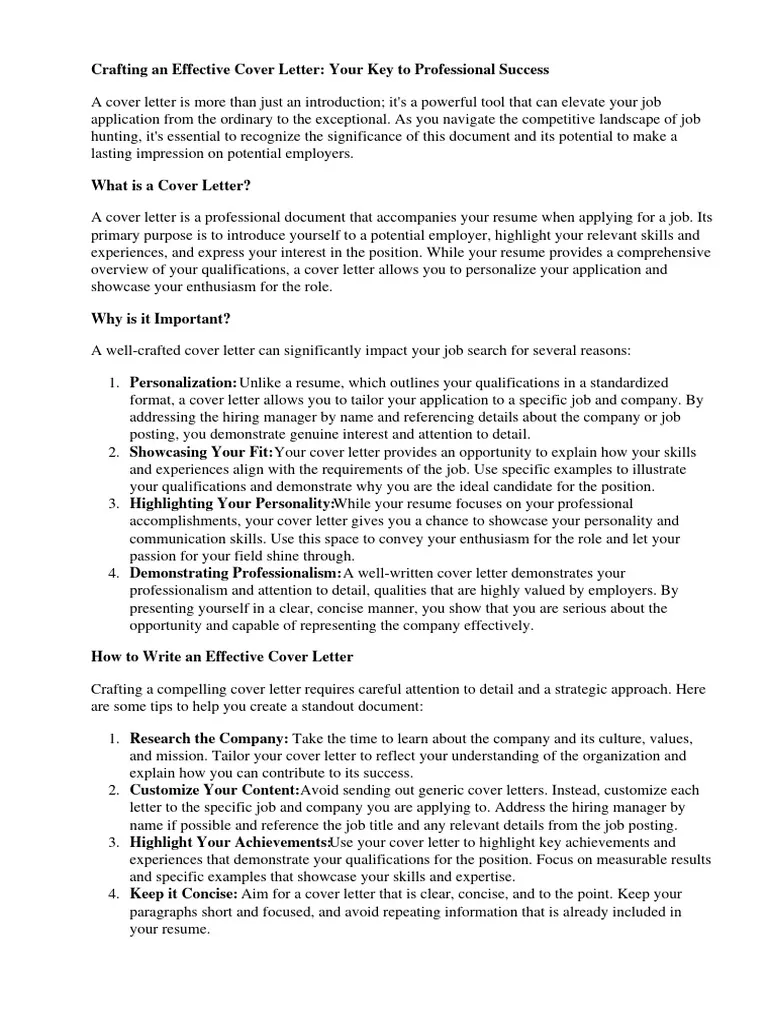
In today’s competitive job market, a well-crafted cover letter is not just a formality; it’s a powerful tool that can significantly increase your chances of landing an interview. It provides an opportunity to showcase your personality, passion, and qualifications in a way that a resume alone cannot. Mastering the art of writing a professional cover letter requires understanding its purpose, key components, and the common pitfalls to avoid. This guide will walk you through the essential elements of crafting a compelling cover letter that grabs the attention of hiring managers and sets you apart from the competition. Learn the secrets to highlight your strengths, tailor your message, and ultimately, land the job you desire.
Understanding the Purpose of a Cover Letter
The primary purpose of a cover letter is to introduce yourself to a potential employer and express your interest in a specific job. It serves as a bridge between your resume and the hiring manager, allowing you to elaborate on your qualifications and demonstrate how your skills and experience align with the job requirements. Think of it as your personal sales pitch, where you highlight your key achievements and explain why you are the ideal candidate for the position. A well-written cover letter provides context to your resume, giving the hiring manager a clearer picture of your professional background and career goals.
Why Cover Letters Matter

Cover letters matter because they offer a personalized touch that a resume often lacks. They allow you to connect with the hiring manager on a more personal level, demonstrating your genuine interest in the company and the specific role. By clearly articulating your motivations and how your skills align with the company’s needs, you can make a lasting impression. A strong cover letter can also compensate for any perceived weaknesses in your resume, such as gaps in employment or a lack of direct experience, by providing context and showcasing your transferable skills. It is a chance to make your case for why you are the right candidate and should be called in for an interview. (Image: cover-letter-writing.webp)
Cover Letter vs. Resume
The resume and cover letter serve different but complementary purposes. A resume is a factual summary of your work history, skills, and education. It is a concise document that provides a snapshot of your professional background. A cover letter, on the other hand, is a more narrative document. It allows you to expand on the information in your resume, providing context, explaining your career goals, and demonstrating your personality and communication skills. The cover letter should complement your resume, not simply repeat it. Instead, it should highlight specific achievements and experiences that are relevant to the job and explain why you are a good fit for the role and the company culture. (Image: resume-vs-cover-letter.webp)
Key Components of a Professional Cover Letter
Your Contact Information & Date

Begin your cover letter with your contact information, including your name, phone number, email address, and optionally, your LinkedIn profile URL. Include the date below your contact information. This information should be aligned to the left or right, depending on your preference, but maintain consistency throughout the document. This ensures that the hiring manager can easily reach you if they want to schedule an interview. Ensure the contact details are accurate and up-to-date, as this is crucial for communication purposes.
Addressing the Hiring Manager
Addressing the hiring manager by name is a crucial first step in making a positive impression. Research the company and the specific hiring manager or recruiter for the position. If you can’t find a name, use a professional greeting such as “Dear Hiring Manager” or “Dear [Company Name] Hiring Team.” Avoid generic greetings like “To Whom It May Concern,” as they can make your cover letter seem impersonal. Addressing the letter to a specific individual demonstrates that you have taken the time to research the company and are genuinely interested in the opportunity, increasing your chances of getting noticed. A personalized approach is always best.
Opening Paragraph
The opening paragraph is your opportunity to grab the reader’s attention. Start with a strong statement that clearly states the position you are applying for and how you found the job posting. Briefly mention why you are excited about the opportunity and the company. This is also a good place to mention a key achievement or skill that immediately demonstrates your value. Be concise and enthusiastic, setting a positive tone for the rest of the letter. The goal is to capture the hiring manager’s interest and encourage them to read on.
Body Paragraphs Highlighting Skills

The body paragraphs are where you showcase your skills and experience, providing specific examples to support your claims. Tailor these paragraphs to the job description, highlighting the skills and experiences that align with the requirements of the position. Use the STAR method (Situation, Task, Action, Result) to structure your examples, explaining the context, your role, the actions you took, and the positive outcomes. Quantify your achievements whenever possible, using numbers and data to demonstrate the impact of your work. Focus on what you have accomplished and the value you can bring to the company. (Image: cover-letter-components.webp)
Quantifying Achievements
Quantifying your achievements adds credibility and impact to your cover letter. Instead of simply stating that you improved sales, specify the percentage increase. Instead of saying you managed a team, mention the size of the team and any specific projects they completed. Use numbers to illustrate your impact and demonstrate the tangible results you have achieved in previous roles. This allows the hiring manager to quickly assess the value you can bring to their company, making your application stand out from the competition.
Tailoring Your Letter to the Job
Tailoring your cover letter to each job application is essential for demonstrating your genuine interest and qualifications. Carefully review the job description and identify the key requirements and skills the employer is seeking. Customize your cover letter to specifically address these requirements, highlighting relevant experiences and skills from your background. This shows that you understand the specific needs of the role and are a good fit for the company culture. Avoid using a generic cover letter, as it can make you appear uninterested and less likely to get an interview.
Closing Paragraph
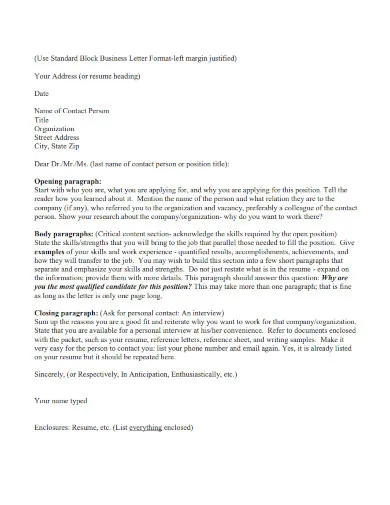
In the closing paragraph, reiterate your interest in the position and thank the hiring manager for their time and consideration. Express your enthusiasm for the opportunity and your confidence in your ability to contribute to the company’s success. Keep the tone professional and sincere. This is your last chance to leave a positive impression, so make it count. The closing paragraph should summarize your key strengths and reiterate your value proposition.
Call to Action
Include a clear call to action in your closing paragraph, such as expressing your availability for an interview or stating your willingness to discuss your qualifications further. Make it easy for the hiring manager to take the next step. Provide your contact information again, just in case it is missed earlier in the document. A strong call to action encourages the hiring manager to take the initiative and move your application forward. (Image: cover-letter-template.webp)
Formatting and Design
Font and Readability

Choose a professional and readable font such as Times New Roman, Arial, or Calibri. Keep the font size between 10 and 12 points for optimal readability. Avoid using overly decorative or unusual fonts, as they can distract the reader and make your cover letter look unprofessional. Ensure your cover letter is easy to read at a glance, with clear font choices and spacing. A well-formatted cover letter is more likely to be read and appreciated by hiring managers. Aim for a clean and uncluttered design to make a positive impression.
Layout and Structure
Use a standard business letter format, with consistent margins and spacing. Left-align the text for a clean and professional look. Use headings and bullet points to break up large blocks of text and make your cover letter more scannable. Keep your cover letter concise, ideally no more than one page long. A well-structured cover letter is easier to read and allows the hiring manager to quickly grasp the key information. Use clear and consistent formatting throughout the document to make a good impression. (Image: cover-letter-formatting.webp)
Proofreading and Editing
Proofreading and editing are essential steps in ensuring your cover letter is free of errors and presents you in the best possible light. Carefully review your cover letter for any grammatical errors, spelling mistakes, or typos. Read your cover letter aloud to catch any awkward phrasing or sentences. Have someone else proofread your cover letter, as a fresh pair of eyes can often identify errors you might miss. A well-proofread cover letter demonstrates attention to detail and professionalism, increasing your chances of making a positive impression.
Common Mistakes to Avoid

Length and Tone
Avoid writing a cover letter that is too long or too short. Aim for a single page, as hiring managers often do not have the time to read lengthy documents. Keep the tone professional and enthusiastic, but avoid sounding overly casual or informal. Maintain a respectful and confident tone throughout the cover letter. Ensure your writing is clear, concise, and to the point, highlighting the key points without rambling.
Generic vs. Personalized
Avoid using a generic cover letter that is not tailored to the specific job and company. Take the time to research the company and the role, and customize your letter to demonstrate your genuine interest and qualifications. A generic cover letter can make you appear uninterested and less likely to get an interview. Always personalize your cover letter to make a stronger connection with the hiring manager. Show that you have invested time and effort in understanding the company’s needs.
Using Keywords from the Job Description
Incorporate keywords from the job description into your cover letter. This helps the hiring manager quickly identify your relevant skills and experiences. But, do not keyword stuff. Integrate the keywords naturally into your writing, demonstrating how your skills align with the job requirements. This will help your cover letter pass through applicant tracking systems (ATS) and get the attention of the hiring manager. Ensure the keywords are used in context and that your writing still flows naturally. (Image: cover-letter-mistakes.webp)
Cover Letter Examples and Templates
Where to Find Templates
There are many online resources where you can find cover letter templates. Websites like Indeed, LinkedIn, and Resume.com offer a variety of templates for different industries and job titles. Use these templates as a starting point, customizing them to fit your specific needs and qualifications. Be sure to choose a template that aligns with your personal brand and the industry you are targeting. Adapt and personalize the template to ensure it reflects your unique skills and experiences.
Adapting Templates to Your Needs
While templates provide a helpful structure, it is crucial to adapt them to your specific needs. Do not simply copy and paste the template; instead, use it as a guide to create a cover letter that reflects your personality and qualifications. Customize the content to align with the job description and highlight your relevant skills and achievements. Make sure to replace any generic language with specific examples from your background. Your cover letter should be a unique representation of you, showcasing why you are the ideal candidate for the job. (Image: cover-letter-examples.webp)