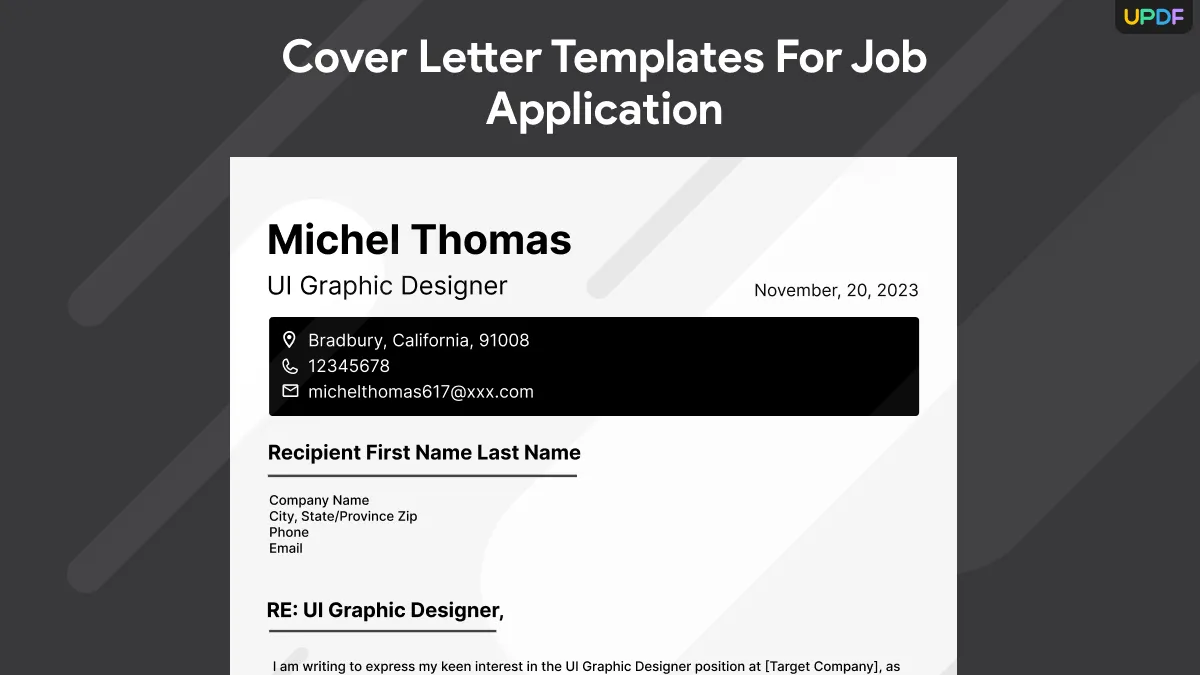
What is a Cover Letter
A cover letter is your first impression, a tailored introduction to a prospective employer. It serves as a crucial accompaniment to your resume, providing context to your application. More than just a repetition of your resume, a well-crafted cover letter offers a platform to highlight your key skills, experience, and personality, making a compelling case for why you’re the ideal candidate for the job. It’s your opportunity to elaborate on specific achievements and demonstrate a genuine interest in the company and the role. It allows you to showcase your communication skills and tailor your message directly to the hiring manager, setting you apart from other applicants. Think of it as the sales pitch that gets you the interview and ultimately the job offer.
Why Cover Letters Matter
In today’s competitive job market, a cover letter can be the deciding factor. Even in fields where they are optional, a well-written letter demonstrates your professionalism, attention to detail, and commitment to the application process. Cover letters provide a space to personalize your application, showing that you’ve taken the time to understand the company’s needs and how your skills align. They offer the chance to address any gaps in your resume or to explain career transitions. Furthermore, a cover letter showcases your writing skills and communication style, which are crucial for many roles. It’s an opportunity to stand out from the crowd and make a memorable first impression. A thoughtful and customized cover letter shows you’re invested in the opportunity.
Highlighting Your Value

Focusing on your value proposition is key. Instead of simply listing your responsibilities, emphasize what you’ve achieved in previous roles. Use concrete examples to illustrate your skills and how they can benefit the employer. Quantify your achievements whenever possible; for example, “Increased sales by 15% within six months.” Show, don’t just tell; provide evidence of your accomplishments and how they relate to the job description. Connect your skills directly to the company’s needs, demonstrating that you understand their goals and challenges. Consider using the STAR method (Situation, Task, Action, Result) to structure your examples, which helps to provide a clear and concise narrative of your contributions.
Cover Letter Secrets
Customize Your Letter
Generic cover letters are easy to spot and often disregarded. Always tailor your cover letter to each specific job application. This means more than just changing the company name; it involves researching the company, understanding the role’s requirements, and aligning your skills and experience accordingly. Review the job description thoroughly and incorporate relevant keywords and phrases. Address the letter to the hiring manager by name, if possible; this shows initiative and attention to detail. Customize each paragraph to highlight the most relevant aspects of your experience for that particular role. Customization shows you care enough to make your application stand out.
Showcase Your Achievements

Instead of just listing your duties, focus on the achievements that demonstrate your skills and value. Use action verbs to describe your accomplishments. Provide specific examples and quantify your results whenever possible. For instance, instead of writing “Managed social media accounts,” write “Increased social media engagement by 30% through strategic content planning and audience analysis.” Focus on how your previous experiences align with the job description. Showing your accomplishments makes your application memorable and strengthens your case for getting the job.
Use Action Verbs
Action verbs are the backbone of a compelling cover letter. They bring your accomplishments to life and provide a clear picture of what you’ve achieved. Begin sentences with strong action verbs to make your experience more dynamic and engaging. Examples include “Managed,” “Led,” “Developed,” “Implemented,” “Increased,” “Achieved,” “Collaborated,” and “Created.” Use these verbs to describe your responsibilities and accomplishments in previous roles. Action verbs make your letter more impactful and grab the hiring manager’s attention. They demonstrate your capabilities and make your application more memorable.
Keep it Concise
Hiring managers are busy, so keep your cover letter concise and to the point. Aim for one page, typically between 250-400 words. Be clear and direct in your writing, avoiding unnecessary jargon or lengthy paragraphs. Focus on the most relevant information and make every word count. Avoid repeating information from your resume; instead, use the cover letter to elaborate on key experiences and achievements. A concise cover letter shows respect for the reader’s time and ensures your most important points are not missed.
Proofread Meticulously

Proofreading is non-negotiable. Typos and grammatical errors can immediately disqualify your application. Before submitting your cover letter, carefully review it for any mistakes. Read it aloud to catch awkward phrasing or sentences that don’t flow well. Use a spell-checker, but don’t rely on it entirely; proofread yourself and consider asking a friend or family member to review it as well. Ensure the formatting is consistent and that the font and spacing are correct. A polished and error-free cover letter demonstrates attention to detail, which is crucial for most jobs.
Formatting Your Cover Letter
Choosing the Right Font
The font you choose can impact how professional your cover letter looks. Stick to classic, easy-to-read fonts like Times New Roman, Arial, Calibri, or Helvetica. The font size should be between 10 and 12 points for optimal readability. Avoid using overly decorative or unconventional fonts, as they can be distracting and make your letter difficult to read. Maintain consistency throughout the document, using the same font and size for your body text and headings. Well-chosen fonts contribute to a clean and professional appearance that allows your message to take center stage.
Proper Margins and Spacing

Proper margins and spacing make your cover letter visually appealing and easy to read. Set your margins to at least one inch on all sides. This provides a clean border and prevents the text from appearing cramped. Use single spacing within paragraphs and double spacing between paragraphs. This spacing enhances readability and allows for easy skimming. Align your text to the left, leaving a clean and professional layout. Consistent and appropriate formatting demonstrates attention to detail and makes a positive impression on the reader.
Include Contact Information
Make it easy for the hiring manager to contact you by including your contact information at the top of your cover letter. This should include your full name, phone number, email address, and LinkedIn profile URL, if you have one. Ensure your email address is professional and up-to-date. Place your contact information in a way that’s easy to spot, such as at the top left or right corner of the document. Including your contact information saves the hiring manager time and shows you’re ready to respond promptly if they decide to contact you.
Best Practices for Cover Letters
Research the Company

Before writing your cover letter, research the company and the role. Visit their website, read their “About Us” section, and review their social media profiles. Understand their mission, values, and recent projects. This research will help you tailor your cover letter to their specific needs and demonstrate your genuine interest in the company. Addressing specific initiatives, projects, or company goals in your letter demonstrates you understand the organization and are a good fit. This research is crucial to making your application stand out.
Tailor to the Role
Each job application requires a tailored cover letter. Review the job description carefully and identify the key skills and qualifications the employer is seeking. Highlight your relevant experience and accomplishments that align with these requirements. Use the same keywords and phrases from the job description to show that you understand the role. Customize your cover letter for each position to increase your chances of getting noticed. This effort demonstrates your commitment and increases the likelihood of getting an interview.
Proofreading Tips
Proofreading your cover letter is crucial. Before submitting, check for any grammatical errors, spelling mistakes, and formatting inconsistencies. Read the letter aloud to catch any awkward phrasing or sentence structure. Use a spell-checker, but don’t rely on it entirely; many errors can slip through, so check yourself and consider using a grammar checker. Having someone else review your cover letter can provide another layer of scrutiny. A well-proofread cover letter reflects professionalism and attention to detail and significantly improves your chances of making a good first impression.
Follow-Up Strategy

When to Follow Up
Following up on your application shows your continued interest in the position. Generally, it’s best to follow up one to two weeks after submitting your application, unless the job posting states otherwise. If you haven’t heard back within that timeframe, a polite follow-up email is appropriate. Timing your follow-up appropriately demonstrates enthusiasm without appearing overeager. If the application deadline has passed and you haven’t heard back, it’s also a good time to send a follow-up.
How to Follow Up
Keep your follow-up email brief and professional. Reiterate your interest in the role and briefly mention why you are a good fit. Reference the job title and the date you applied. If you had an interview, mention something specific that you discussed. Express your enthusiasm for the opportunity and thank the hiring manager for their time. Include your contact information in the email signature. Sending a concise and well-written follow-up shows your continued interest and initiative.