What is a Cover Letter (And Why You Need One)
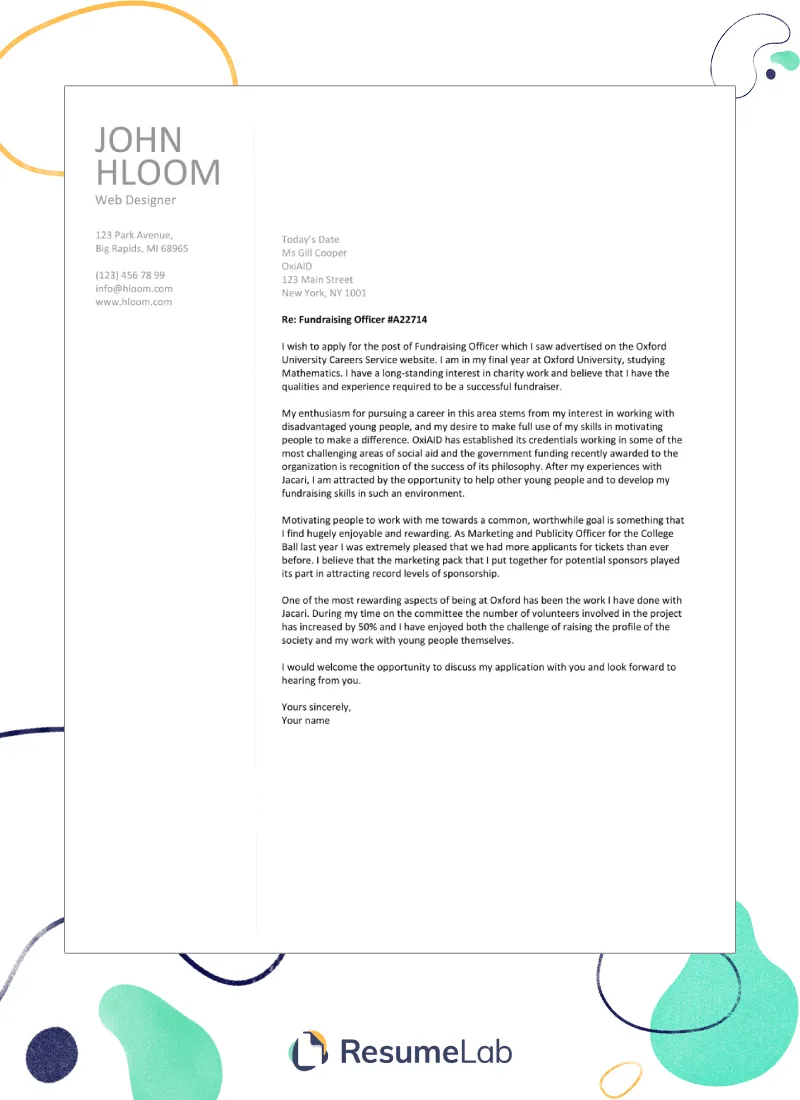
A cover letter is a crucial document that accompanies your resume when applying for a job. It serves as your first introduction to a potential employer, providing an opportunity to showcase your personality, express your interest in the specific role, and highlight your relevant skills and experiences. Unlike a resume, which presents a factual overview of your qualifications, a cover letter allows you to tell a story, explain your motivations, and demonstrate why you’re the perfect fit for the position. It provides context to your resume and helps the hiring manager understand your unique value proposition. Many hiring managers will not read a resume without a cover letter, so it is vital to include one when applying for any job. A well-crafted cover letter can significantly increase your chances of getting an interview.
Key Components of a Winning Cover Letter
Crafting a winning cover letter involves paying attention to several key components. Each section plays a vital role in conveying your message effectively and making a positive impression on the hiring manager. By mastering these components, you can create a cover letter that stands out from the competition and significantly boosts your job application success rate. A well-structured cover letter not only presents your qualifications but also demonstrates your communication skills, attention to detail, and genuine interest in the opportunity. It helps you build a connection with the reader and increases the likelihood of securing an interview. The key components are vital to help you get the job.
Your Contact Information

At the very top of your cover letter, include your full name, address, phone number, and professional email address. This information ensures the hiring manager can easily reach you. Make sure your email address sounds professional; avoid nicknames or unprofessional phrasing. Also, check to make sure your contact details are up-to-date and accurate. This simple step is important; it sets the stage for the rest of your letter and provides the recruiter with essential information from the outset.
The Date
Directly below your contact information, include the date you are submitting the cover letter. This helps establish the timeliness of your application. Formatting the date correctly is an important part of a professional cover letter, ensuring your application looks polished and up-to-date. Be sure to format the date in a standard way, such as Month, Day, Year.
Hiring Manager’s Information
If possible, address your cover letter to a specific person (the hiring manager or the recruiter). Research the company’s website or LinkedIn to find the name and title of the appropriate contact. Personalizing your letter demonstrates that you’ve taken the time to learn about the organization and the specific role. If you are unable to find a specific name, using a general greeting, such as “Dear Hiring Manager,” is acceptable.
The Salutation

Start your cover letter with a professional salutation, such as “Dear Mr./Ms. [Last Name]” or “Dear Hiring Manager.” Using the hiring manager’s name is always preferable, as it adds a personal touch. Make sure to use the correct title and spelling of their name. Avoid overly casual greetings, such as “Hey” or “Hi,” as they can appear unprofessional. The salutation sets the tone for the entire letter, so ensure it is courteous and respectful.
Opening Paragraph
In the opening paragraph, state the position you are applying for and how you learned about the opportunity. Briefly express your enthusiasm for the role and the company. Make sure to mention where you saw the job posting (e.g., LinkedIn, company website). Keep the introduction concise and engaging, capturing the reader’s attention from the start. The opening paragraph should clearly state your purpose and set the tone for the rest of the letter.
Body Paragraphs
Use the body paragraphs to highlight your relevant skills, experience, and accomplishments. Explain how your qualifications align with the job requirements and what you can bring to the company. Use specific examples to illustrate your achievements and quantify your results whenever possible. Tailor the content to match the specific needs of the role. Focus on the skills and experiences that are most relevant to the position. Use action verbs to describe your accomplishments and contributions. Use this section to present a clear and compelling case for why you are the best candidate.
Closing Paragraph

In the closing paragraph, reiterate your interest in the position and express your enthusiasm for the opportunity. Thank the hiring manager for their time and consideration. Include a call to action, such as stating that you are available for an interview and looking forward to discussing your qualifications further. Keep the tone positive and confident, leaving a lasting impression.
The Sign-off
End your cover letter with a professional sign-off, such as “Sincerely,” “Best regards,” or “Thank you.” Leave space for your signature above your typed name if you are printing the letter. A professional sign-off adds a touch of formality and respect, concluding your letter in a positive manner.
Different Cover Letter Templates
Different types of cover letter templates can be used depending on your specific needs and the job you are applying for. Choosing the right template can help you highlight your skills and experiences effectively. Understanding the various formats will allow you to tailor your application to each job opportunity.
The Standard Cover Letter

The standard cover letter is a general format suitable for most job applications. It follows a traditional structure, including an introduction, body paragraphs, and a conclusion. This template is ideal when you want to provide a comprehensive overview of your qualifications. It allows you to showcase your skills and experiences in a clear and organized manner. This is often the most common and widely accepted type of cover letter, making it a safe choice for many job applications.
The Targeted Cover Letter
A targeted cover letter is specifically tailored to the requirements of a particular job. It demonstrates how your skills and experiences align with the job description. This format emphasizes your suitability for the role by directly addressing the employer’s needs. By customizing the content to each job, you can significantly increase your chances of getting an interview. Researching the company and role is very important when using a targeted cover letter template.
The Accomplishment Cover Letter
The accomplishment cover letter focuses on showcasing your achievements and results. This template highlights your successes and quantifiable contributions. It is designed to demonstrate the value you can bring to the company. This is an excellent template for those who want to emphasize their past achievements. Be sure to use metrics and data to support your claims.
The Creative Cover Letter

A creative cover letter is suitable for roles in creative fields, such as marketing, design, or writing. It allows you to demonstrate your creativity and unique skills. Use this template to showcase your personality and ability to think outside the box. This format can help you stand out from the competition, but only if it aligns with the company’s culture and the role’s requirements. Always ensure your creativity is appropriate for the specific opportunity.
The Networking Cover Letter
The networking cover letter is used when applying for a job through a personal connection. It mentions the person who referred you to the opportunity. This format emphasizes your existing network and adds credibility to your application. It can significantly increase your chances of getting an interview by leveraging your connections. When using this template, always thank the person who referred you in your cover letter.
Cover Letter Examples
Reviewing cover letter examples can provide valuable insights and guidance for crafting your own. Different examples can help you adapt your cover letter to various situations and job types. By studying these examples, you can understand how to effectively present your qualifications and tailor your message to the specific opportunity.
Example for Entry-Level Positions

For entry-level positions, your cover letter should highlight your education, relevant skills, and any internships or volunteer experiences. Showcase your enthusiasm for the role and your eagerness to learn and grow. Focus on transferable skills and demonstrate your potential to contribute to the company. It’s important to be clear and concise, emphasizing your eagerness to start your career. Tailor your letter to the specific requirements of the job, demonstrating your understanding of the industry and the company.
Example for Mid-Career Professionals
Mid-career professionals should emphasize their experience, accomplishments, and career progression in their cover letter. Highlight your key achievements and the value you’ve brought to previous roles. Focus on how your skills and experience align with the job requirements and how you can solve the company’s challenges. Use data and metrics to quantify your achievements and show your impact. This is an opportunity to showcase your leadership skills and your ability to drive results. Adapt your cover letter to align with your current career goals.
Example for Career Changers
Career changers should explain their reasons for the career change and highlight transferable skills from their previous roles. Show how your previous experience aligns with the new role and what you can bring to the company. Focus on your adaptability and your willingness to learn. Emphasize your new skills that are relevant to the job you’re applying for. Connect your past experience to the new role and demonstrate your commitment to the career change. Highlight how your unique background can provide a fresh perspective.
Tips for Customizing Templates and Examples

Customizing cover letter templates and examples is essential to make your application stand out. Adapting the content to match the specific job requirements and company culture is crucial. Customization shows that you’ve taken the time to understand the opportunity and are genuinely interested in the role. Always ensure your cover letter reflects your personality and unique qualifications.
Tailoring to the Specific Job Description
Carefully review the job description and identify the key skills and requirements the employer is seeking. Tailor your cover letter to highlight how your qualifications align with these requirements. Use the same keywords and phrases from the job description to show that you understand the role and have the necessary skills. Demonstrating how you meet the job’s specific needs will significantly increase your chances of success. Tailor your application to match the needs of each specific job.
Highlighting Relevant Skills and Experience
Focus on the skills and experiences that are most relevant to the job you are applying for. Use specific examples to illustrate your achievements and quantify your results. Tailor your cover letter to highlight your achievements and demonstrate your value to the company. By focusing on the relevant aspects of your background, you’ll make a strong case for your suitability. Always align your skills and experiences with the key requirements of the role.
Proofreading and Editing
Proofread your cover letter carefully for any errors in grammar, spelling, or punctuation. Have someone else review your letter to catch any mistakes you may have missed. Errors can create a negative impression and undermine your credibility. Thorough proofreading is a critical step to ensure your cover letter is polished and professional. Proofreading is one of the most important steps in the process.
Common Mistakes to Avoid
Avoiding common mistakes can greatly improve the effectiveness of your cover letter. Making sure that your cover letter is free of common errors is important to present yourself in the best possible light. By knowing what to avoid, you can ensure your cover letter showcases your qualifications in a positive way and increases your chances of getting an interview. Avoid these common pitfalls to make your application stand out.
Generic Cover Letters
Avoid using a generic cover letter that is not tailored to the specific job or company. Generic letters show a lack of interest and effort, decreasing your chances of getting noticed. Always customize your cover letter to the job description and the company’s specific needs. Generic cover letters will almost always be rejected. Personalize your cover letter to grab the hiring manager’s attention.
Typos and Grammatical Errors
Carelessly written cover letters filled with typos and grammatical errors can make you appear unprofessional. Proofread your letter multiple times to catch any mistakes. Make sure your writing is clear, concise, and error-free. Proofreading is one of the easiest ways to make a good impression and improve your application. Typos and grammatical errors can signal a lack of attention to detail.
Lack of Research on the Company
Demonstrate your interest and knowledge by researching the company before writing your cover letter. Mention specific details about the company, its mission, or its recent achievements to show that you have done your homework. Avoid using generic phrases and show that you understand the company’s values and goals. This will show your enthusiasm for the role. Show that you are not just applying for any job; you are applying for this job.
Unprofessional Tone
Maintain a professional and respectful tone throughout your cover letter. Avoid using slang, casual language, or overly familiar greetings. Ensure your tone is appropriate for a professional environment. Maintain a courteous and respectful approach in your letter, showcasing your professionalism. A professional tone sets the right impression for your application. Always use professional language.