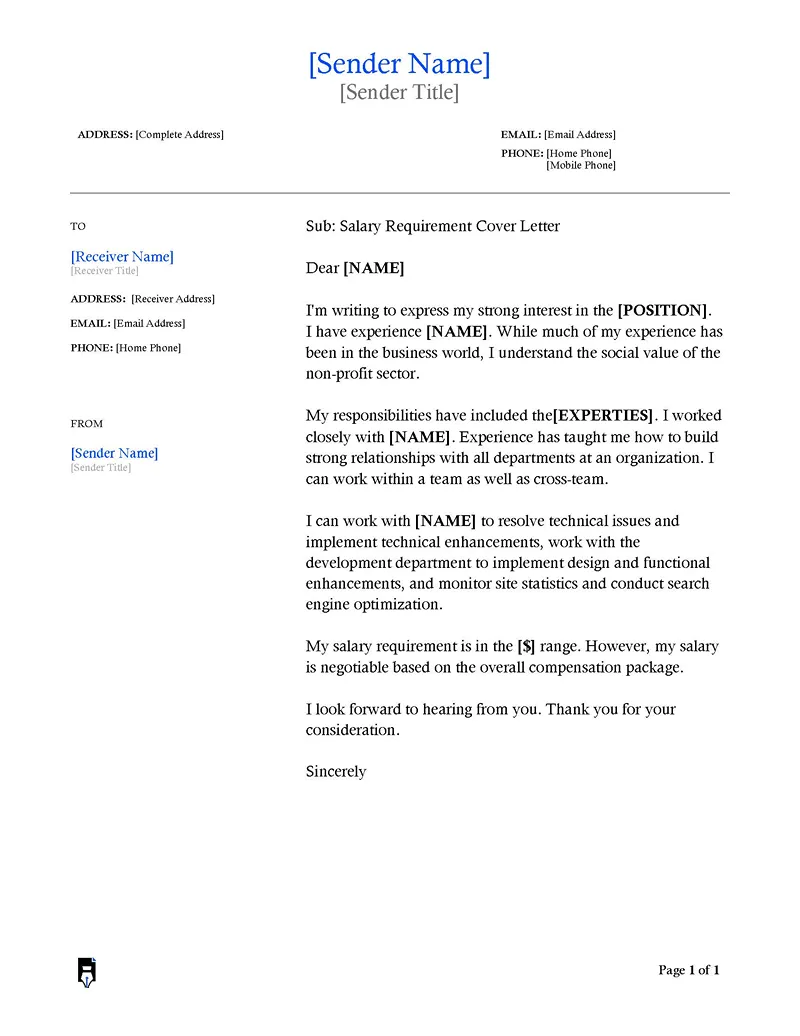
Understanding the Purpose of a Cover Letter
A cover letter serves as your introduction to a potential employer, offering you the opportunity to showcase your personality, skills, and enthusiasm for the position. Unlike a resume, which provides a factual overview of your experience, a cover letter allows you to tell your story, explain why you’re interested in the specific role, and highlight how your qualifications align with the company’s needs. It’s a crucial tool for making a positive first impression and prompting the hiring manager to read your resume. A well-crafted cover letter can significantly increase your chances of getting an interview.
Why is a Cover Letter Important?
In a competitive job market, a cover letter can set you apart from other applicants. It demonstrates your communication skills, attention to detail, and genuine interest in the company and the specific role. Hiring managers often use cover letters to assess a candidate’s writing ability, personality, and cultural fit. By addressing the specific requirements of the job and explaining why you’re the ideal candidate, you can convince the employer to take a closer look at your qualifications. Ignoring the cover letter can be a missed opportunity and possibly lead to rejection, even if your resume is strong.
Showcasing Your Skills and Experience

The body of your cover letter is where you highlight your skills and experience. Instead of simply restating what’s on your resume, use this space to elaborate on your accomplishments and demonstrate how they relate to the job requirements. Provide specific examples of your successes, using the STAR method (Situation, Task, Action, Result) to illustrate your abilities. This helps the hiring manager understand the impact you’ve had in previous roles and how you can bring value to their company. Always tailor your examples to the specific job description to demonstrate that you understand the role and are qualified to perform its duties.
Highlighting Relevant Skills
Identify the key skills that the employer is looking for in the job description and make sure to highlight those skills in your cover letter. Focus on the skills that align with the job requirements, such as communication, leadership, problem-solving, or technical expertise. Use action verbs to describe how you’ve used these skills to achieve results in previous roles. For example, instead of saying ‘Managed a team,’ say ‘Managed a team of five, resulting in a 15% increase in productivity.’ This approach shows, rather than tells, the hiring manager about your capabilities.
Quantifying Your Achievements
Whenever possible, quantify your achievements to demonstrate the impact you’ve made in previous roles. Use numbers, percentages, and specific data to illustrate your accomplishments. This makes your claims more credible and allows the hiring manager to quickly assess your value. For example, instead of saying ‘Improved customer satisfaction,’ say ‘Improved customer satisfaction by 20% through implementing a new feedback system.’ Quantifiable results are much more convincing than general statements about your abilities.
Tailoring Your Cover Letter

Generic cover letters are easily spotted and often disregarded by hiring managers. To stand out, you must tailor each cover letter to the specific job and company. This means carefully reviewing the job description, identifying the key requirements, and adjusting your letter to demonstrate how your skills and experience align with those needs. Customize your letter to reflect your understanding of the company’s values, mission, and goals. Take the time to research the company and the role, then use that knowledge to personalize your letter and show the hiring manager why you are the right fit.
Researching the Company and Role
Before writing your cover letter, conduct thorough research on the company and the specific role you’re applying for. Visit the company’s website, read news articles about the company, and review their social media profiles. Understand the company’s culture, values, and recent achievements. Also, carefully examine the job description to understand the specific requirements, responsibilities, and skills needed for the position. This research will help you tailor your cover letter to reflect your understanding of the company and how you can contribute to its success.
Personalizing Your Letter
Personalize your cover letter to show the hiring manager that you’re genuinely interested in the company and the role. Mention specific aspects of the company that appeal to you, such as their mission, values, or recent projects. Address the letter to the hiring manager by name, if possible; this shows that you’ve taken the time to do your research. Avoid using generic phrases; instead, use language that reflects your understanding of the company and the role. Explain why you are a good fit for the specific role and the company’s culture, not just why you want a job.
Addressing Salary Requirements

Salary requirements are a critical component of a cover letter, but how and when you address them can affect your chances. Your approach to this issue depends on the company’s guidance and the stage of the application process. Always review the job description for specific instructions on how to handle salary expectations. Some employers request salary history or a range, while others prefer to discuss salary later in the hiring process. Failing to follow instructions might lead to your application being immediately dismissed. Consider the local average salary for the position and your years of experience before deciding on your approach.
When to Include Salary Expectations
When determining the right time to address salary expectations, consider several factors. If the job posting explicitly requests a salary range or your salary history, you should include this information in your cover letter. In this case, provide a realistic salary range based on your experience, skills, and research of industry standards. If the job posting does not mention salary, it’s generally best to avoid bringing up salary in your initial cover letter. Waiting until the interview or later in the hiring process allows you to focus on selling your skills and demonstrating your value before discussing compensation.
How to Phrase Your Salary Requirements
When mentioning your salary expectations, use a professional and flexible tone. If you are providing a salary range, make sure the range is realistic and reflects your skills and experience. Phrases like “salary expectations are negotiable” or “I am open to discussing salary based on the responsibilities of the role” demonstrate flexibility and professionalism. Avoid being overly specific or demanding early in the process, as this might deter the employer. If you are asked for your salary history, it’s sufficient to provide it without further comment.
Negotiating Salary in the Interview

If you made it to the interview stage, it’s time to discuss salary details. Always research the industry average salary and the company’s potential pay range before the interview. If you did not give your salary expectations on the cover letter, be prepared to give a range based on your research. Be confident in your value, and be ready to justify your expectations with your skills, experience, and the contributions you can make to the company. Consider the total compensation package, including benefits and bonuses, when negotiating. Be prepared to walk away if the salary is not at all competitive; otherwise, you risk undervaluing your capabilities and potentially reducing your job satisfaction.
Common Cover Letter Mistakes to Avoid
Avoiding common mistakes is essential for crafting an effective cover letter. These mistakes can make the employer discard your application before considering you for the job. Review your cover letter carefully before submitting it, and try to get a second set of eyes. Make sure you don’t make any of these blunders, because it can negatively impact your chance of getting the job.
Poor Formatting
Poor formatting can make your cover letter difficult to read and make a negative impression on the hiring manager. Use a professional font, such as Times New Roman, Arial, or Calibri, and ensure that your font size is easy to read (typically 11 or 12 points). Use clear headings and subheadings to break up the text and make it easier for the reader to scan the document. Maintain consistent margins and spacing throughout the letter, and use bullet points or numbered lists to highlight key information. Avoid excessive use of bolding, italics, or underlining, which can make your letter look cluttered and unprofessional.
Typos and Grammatical Errors

Typos and grammatical errors can undermine your credibility and make you appear careless and unprofessional. Before submitting your cover letter, proofread it carefully for any errors in spelling, grammar, and punctuation. Read the letter aloud to catch any awkward phrasing or mistakes. Use a spell checker and grammar checker, but remember that these tools aren’t foolproof; they may not catch all errors. Get a friend or family member to review your letter to get a fresh perspective and ensure that it is polished and error-free.
Tips for Writing a Strong Closing
Your cover letter closing should be a strong, memorable, and leave the hiring manager with a lasting positive impression. It is your final opportunity to reinforce your interest in the position and encourage the employer to contact you. A weak close can undermine the rest of your cover letter; therefore, you must make your closing count.
Call to Action
Your closing should include a clear call to action, inviting the hiring manager to take the next step. Express your enthusiasm for the role and your confidence in your ability to contribute to the company’s success. State your availability for an interview, and provide your contact information again (email and phone number) for easy access. A concise and compelling call to action can encourage the hiring manager to contact you promptly and move your application forward.
Proofreading and Editing Your Cover Letter

Proofreading and editing are essential steps in the cover letter writing process. Before you submit your letter, carefully review it for any errors in grammar, spelling, punctuation, and formatting. Make sure that your language is clear, concise, and professional. Check for any typos or grammatical errors that could detract from your message. Consider having a trusted friend or career advisor review your cover letter to provide feedback and identify any areas for improvement. A well-proofread and edited cover letter shows attention to detail and enhances your chances of making a positive impression.