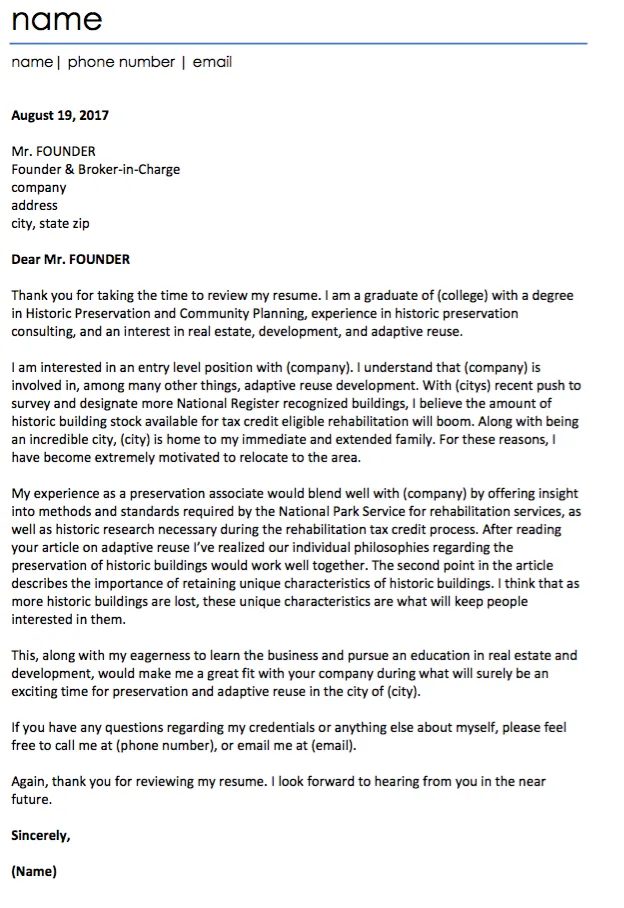
Why Addressing Matters in a Cover Letter
Your cover letter is your first chance to make a positive impression on a potential employer. One of the most critical aspects of a well-crafted cover letter is how you address it. While it might seem like a small detail, the way you address your cover letter can significantly influence how the hiring manager perceives you. A properly addressed cover letter demonstrates that you’ve taken the time to research the company and understand the role. It shows professionalism and attention to detail, setting you apart from applicants who may have used a generic salutation. Conversely, an improperly addressed letter can signal a lack of care or effort, which can lead to your application being overlooked. Addressing your cover letter correctly shows that you are serious about the opportunity and gives you a leg up in the competitive job market.
Understanding the ‘Whom It May Concern’ Dilemma
The phrase ‘Whom It May Concern’ has long been a default option for addressing cover letters, but its use is now widely considered outdated and impersonal. While it’s better than not addressing the letter at all, it doesn’t offer you any advantage and, in some cases, might even work against you. Using this phrase suggests a lack of effort in researching the company and the specific contact person. It fails to personalize your application, making it seem like a generic document sent to many employers. Modern job seekers are encouraged to go the extra mile, and this means finding out the name of the hiring manager or the relevant person in charge of reviewing applications. This small effort can show initiative and demonstrate that you have a genuine interest in the position.
When ‘Whom It May Concern’ is Acceptable

Although generally discouraged, there are extremely rare instances where ‘Whom It May Concern’ might be acceptable, though it’s still not ideal. These instances often involve situations where the job posting explicitly states to address the letter to a general department or when applying for an unsolicited position, meaning a position that isn’t specifically advertised. However, even in these scenarios, you should still attempt to find a specific contact if possible. Your efforts to find the hiring manager’s name will always be appreciated. If you are certain that a name simply cannot be found, make the rest of your cover letter stand out to compensate for the generic addressing.
Situations Where You Can’t Find a Specific Name
Sometimes, despite your best efforts, you won’t be able to find the hiring manager’s name. This is more common in large organizations or when applying for government jobs. In such cases, you can try to use the department’s name, such as “Dear Hiring Manager, Human Resources Department.” Another option is to use a general, yet more personalized, salutation like “Dear [Job Title] Hiring Team.” The key is to avoid the impersonal tone of ‘Whom It May Concern’ by demonstrating that you are addressing a specific entity or group of people responsible for the hiring decision.
Alternatives to ‘Whom It May Concern’
There are many better alternatives to ‘Whom It May Concern’ that will make your cover letter more effective. These alternatives show that you’ve done your research and care about the opportunity. Always try to personalize your greeting. For instance, if you have a contact, you can use “Dear Mr./Ms./Mx. [Last Name].” This will make your letter more specific and better directed.
Researching the Hiring Manager

One of the best ways to improve your cover letter is to find the name of the hiring manager. You can often find this information on the job posting, the company website, or on professional networking sites like LinkedIn. Once you have the name, use it in your salutation. For example, “Dear Mr. Smith.” Even if the job posting does not provide the name, a little extra research can go a long way. Look at the company’s “About Us” page or its leadership directory. Use the company’s social media accounts. Sometimes, the contact information is available on a page for recruiters or career opportunities. Finding the correct contact can significantly improve the impact of your letter.
Using the Company’s Name
If you can’t find a specific person’s name, you can address the cover letter to the company itself. However, this should be your second option. You can start with “Dear [Company Name] Hiring Team.” This shows you at least know the company’s name and are addressing the application to the right place. This is better than ‘Whom It May Concern’ but still not ideal because it lacks a personal touch. Make sure the rest of your cover letter is tailored to the company’s values and the specific job position.
Leveraging LinkedIn
LinkedIn is an invaluable tool for job seekers. Use LinkedIn to find the hiring manager or someone in human resources. Search for the company and then look at the people working there. If the job posting doesn’t list a contact, search for the recruiter or the team related to hiring. You can also look for the department the job belongs to and see if a manager’s name is listed. After identifying a person, you can find more details about their experience and background, which can also help you tailor your cover letter to their specific needs. Make sure you have a professional and up-to-date LinkedIn profile that reflects your professional identity.
Writing a Compelling Cover Letter Introduction

The introduction of your cover letter is crucial. It’s your first opportunity to capture the reader’s attention. Your introduction should be concise and immediately convey your interest in the position and company. State the specific role you are applying for, where you saw the job posting, and a brief, compelling reason why you are interested. This should also reflect what you can bring to the company and why you are a good fit. This helps make your letter more memorable. This helps your application stand out and shows you understand the job’s requirements and the company’s mission.
Focusing on Value Proposition
The best cover letters highlight your value proposition. Clearly state what you bring to the table. This might include your relevant skills, experience, or unique qualifications. Think about what the employer is looking for and how you can meet those needs. Use the introduction to mention your key accomplishments and how you can contribute to the company’s goals. Show enthusiasm for the role and the company, which will encourage the hiring manager to read the entire letter. Focus on what you can do for the company, not just what the company can do for you.
Highlighting Relevant Skills and Experience
Your cover letter should demonstrate how your skills and experience align with the job requirements. Choose the most relevant skills and experiences and explain how they make you an ideal candidate. Use specific examples to showcase your accomplishments and quantify your achievements whenever possible. Tailor your cover letter to the job description, emphasizing the skills and experiences the employer has listed. Reference the job description so that the hiring manager can quickly see that you meet the essential qualifications. Always ensure that the information in your cover letter is accurate and reflective of your capabilities.
Structuring Your Cover Letter Effectively

The structure of your cover letter is just as important as its content. A well-structured cover letter is easy to read and allows the hiring manager to quickly grasp your qualifications and enthusiasm. Organize your cover letter into distinct sections with clear headings and subheadings. This makes your letter more readable and highlights the key information, which can help in a more effective evaluation. Your letter should have an introduction, body paragraphs highlighting your skills and experiences, and a concise conclusion. This structure helps you present your credentials in a logical and professional manner. The easier it is to navigate your cover letter, the more likely the hiring manager will find it easy to read.
Formatting and Length Best Practices
The format and length of your cover letter are critical. Keep it concise; aim for one page and use a standard font like Arial or Times New Roman. Use clear formatting to make your letter visually appealing. Ensure that the spacing is adequate. Use bullet points, bold text, and other formatting tools to highlight key information and make your letter easier to scan. A well-formatted cover letter shows that you pay attention to detail. Be sure that your letter is easily readable, especially for hiring managers who have a large volume of applications to review.
Proofreading for Professionalism
Proofreading is essential. Before submitting your cover letter, carefully proofread it for any errors in grammar, spelling, or punctuation. Errors can create a negative impression and suggest a lack of attention to detail. It’s always a good practice to have another person proofread your cover letter, as they may catch errors that you have missed. Review your letter for clarity and ensure that your message is easy to understand. A well-written and error-free cover letter is a testament to your professionalism and makes you appear more competent.
Conclusion

Addressing your cover letter correctly is a small but crucial step in the job application process. Always try to find the hiring manager’s name and use it in your salutation to create a more personalized connection. If the name is unavailable, use an appropriate alternative, such as the department or job title. Your cover letter is your first impression, so make sure it is professional, well-written, and tailored to the specific job and company. Your attention to detail can significantly impact your chances of getting an interview and securing your dream job. Demonstrate your professionalism by properly addressing your cover letter and investing time in your job search.