
Crafting the Perfect Entry Level Cover Letter
Landing your first entry-level position can feel daunting, but a well-crafted cover letter is your secret weapon. It’s your chance to shine, demonstrate your enthusiasm, and convince potential employers why you’re the perfect fit, even without extensive experience. This guide will walk you through every step, from understanding the purpose of a cover letter to avoiding common pitfalls, ensuring your application stands out from the crowd. Mastering the art of the entry-level cover letter is an essential skill in today’s competitive job market. It’s an opportunity to communicate your unique value proposition and increase your chances of securing an interview. Focus on showcasing your transferable skills, highlighting any relevant experiences, and demonstrating your genuine interest in the position and the company. Remember, a strong cover letter doesn’t just list your qualifications; it tells a story.
Understanding the Purpose of a Cover Letter
The primary goal of an entry-level cover letter is to introduce yourself and make a compelling case for why you should be considered for the job. It’s your chance to go beyond the bullet points of your resume and provide context, elaborate on your skills, and express your enthusiasm for the opportunity. A well-written cover letter showcases your personality, communication skills, and attention to detail, all of which are crucial in an entry-level role. Think of your cover letter as a narrative companion to your resume; it should provide a glimpse into who you are as a professional and why you are passionate about this specific role and company. A strong cover letter can significantly increase your chances of getting noticed by the hiring manager and moving forward in the application process.
Highlighting Your Value

As an entry-level candidate, you might not have extensive work experience, but that doesn’t mean you lack value. Your cover letter is the perfect place to highlight transferable skills, academic achievements, and any relevant experiences, such as internships, volunteer work, or extracurricular activities. Focus on what you can bring to the table, emphasizing your eagerness to learn, your strong work ethic, and your potential to contribute to the company’s success. Demonstrate how your skills align with the job requirements, making it clear that you’re a good fit for the role. By showcasing your potential and demonstrating your value, you significantly improve your chances of securing an interview and launching your career. Showcasing your value is not just about listing your skills, it is about telling the hiring manager why those skills are valuable.
Showcasing Your Skills and Qualifications
Identify the key skills and qualifications the employer is seeking in the job description. Then, provide examples of how you’ve demonstrated those skills in your past experiences. Even if your experience is not directly related to the job, you can still highlight transferable skills such as communication, teamwork, problem-solving, and time management. Frame your skills in a way that resonates with the employer’s needs. For instance, if the job requires strong communication skills, provide an example of how you effectively communicated in a group project or a customer service role. This helps the hiring manager see how you can apply your skills within the context of their company. Make sure each skill mentioned is relevant to the job posting.
Quantifying Achievements
Whenever possible, quantify your achievements to provide tangible evidence of your skills and capabilities. Use numbers, percentages, or specific metrics to demonstrate your impact in previous roles or projects. Instead of saying, “Improved customer satisfaction,” say, “Increased customer satisfaction scores by 15% through proactive communication and problem-solving.” By quantifying your achievements, you provide concrete proof of your abilities and make a more persuasive case for your candidacy. Quantifiable achievements will add credibility and demonstrate to the hiring manager that you can deliver results. Be specific and focus on measurable results whenever possible.
Structuring Your Entry Level Cover Letter

A well-structured cover letter is easy to read and allows the hiring manager to quickly grasp your key qualifications. Use a professional and consistent format to present your information clearly and effectively. There is a generally accepted structure for cover letters, adhering to these guidelines will help create a strong impression. Remember that the goal is to provide as much helpful information as possible, in a succinct manner.
Header and Contact Information
Start with your name, address, phone number, and email address. Include the date and the hiring manager’s name and title (if known), and the company’s address. Make sure that the information is accurate and up-to-date. Presenting your information professionally shows that you are organized and attentive to detail. Always double-check that the contact information is correct so that recruiters can quickly contact you. If you know who the hiring manager is, addressing the letter to them shows initiative and personalization.
Opening Paragraph Grabbing Attention
The opening paragraph is your first chance to grab the reader’s attention. State the position you are applying for and how you found the job posting. Briefly mention why you are interested in the company and the role, expressing your enthusiasm and making a strong first impression. Avoid generic openings; instead, try to personalize your letter and make a strong connection with the reader. A strong opening paragraph sets the tone for the entire letter and encourages the hiring manager to continue reading.
Body Paragraphs: Demonstrating Fit

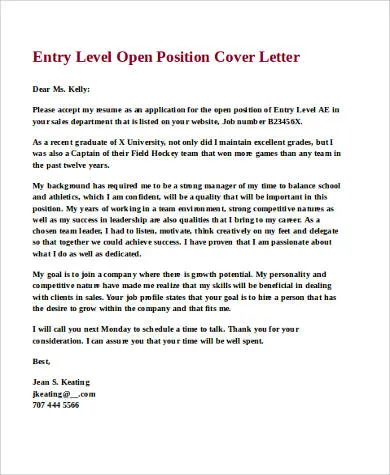
The body paragraphs are where you elaborate on your skills, experiences, and qualifications. Use this section to highlight relevant experiences and demonstrate how they align with the job requirements. Provide specific examples that showcase your abilities, quantify your achievements whenever possible, and explain how your skills and experiences make you a strong fit for the role. Tailor the content to the specific job description, highlighting the skills and experiences most relevant to the position. It should align the skills described in the job posting with your experience.
Closing Paragraph: Call to Action
In your closing paragraph, reiterate your interest in the position and express your enthusiasm for the opportunity. Thank the hiring manager for their time and consideration, and include a clear call to action, such as stating that you look forward to hearing from them soon or mentioning your availability for an interview. Proofread the letter carefully for any errors before submitting it. Always ensure the tone is professional and shows genuine enthusiasm.
Essential Elements for Entry Level Cover Letters
There are essential elements that make an entry-level cover letter successful. By focusing on these elements, you will significantly enhance the quality and the impact of your letter. Tailoring, keyword optimization, and formatting are crucial elements that can help you stand out. Be certain to prioritize these key elements to maximize your chances of getting noticed by recruiters. Consider these points a checklist for writing an excellent cover letter.
Tailoring to the Job Description

Avoid using a generic cover letter. Instead, carefully tailor your letter to each job description. Read the job posting thoroughly and identify the key skills, experiences, and qualifications the employer is seeking. Then, highlight the relevant skills and experiences from your background that align with these requirements. Make sure to customize your letter to reflect the specific needs and requirements of the role and the company. This demonstrates your attention to detail, research, and genuine interest in the position.
Keyword Optimization
Use keywords from the job description throughout your cover letter. Incorporate relevant keywords naturally into your writing to demonstrate that you understand the requirements of the position and that you possess the desired skills and qualifications. This practice helps you to show that you are qualified for the role and helps with Applicant Tracking Systems (ATS). Integrate keywords organically; avoid keyword stuffing, which can make your letter sound unnatural and unprofessional. Using keywords helps you connect your cover letter to the job posting.
Formatting and Presentation
Your cover letter’s formatting and presentation are essential elements of your professional image. Use a clear, easy-to-read font, such as Arial or Times New Roman, and maintain consistent formatting throughout the document. Use appropriate spacing, bullet points, and headings to break up the text and make your letter more scannable. Proofread your cover letter carefully for typos, grammatical errors, and formatting inconsistencies. A well-formatted and presented cover letter demonstrates your attention to detail, professionalism, and commitment to quality, all of which can make a strong positive impression on potential employers.
Common Mistakes to Avoid

Common mistakes can easily derail your cover letter. Be aware of these common pitfalls and take steps to prevent them. By avoiding these common errors, you can enhance the quality and the effectiveness of your cover letter. Avoiding these common mistakes will significantly increase your chances of getting noticed by hiring managers. Taking the time to review and edit can make a world of difference.
Generic Content
Avoid using a generic cover letter that you send to every employer. Tailor each letter to the specific job description and company. Highlight the skills and experiences that align with the job requirements and express your genuine interest in the opportunity. Hiring managers can quickly identify generic letters, which can lead to immediate rejection. Personalize your letter and make sure it reflects your understanding of the role and the company.
Typos and Grammatical Errors
Typos and grammatical errors can undermine your credibility and make you appear unprofessional. Always proofread your cover letter carefully for any errors before submitting it. Use grammar checkers and ask someone else to review your letter for any mistakes. A well-written, error-free cover letter shows your attention to detail and respect for the hiring manager’s time. Proofreading is an important step in the cover letter writing process, this will prevent any potential miscommunications.
Lack of Enthusiasm
Show your enthusiasm for the position and the company. Avoid using passive language or sounding indifferent. Express your genuine interest in the role and the opportunity to contribute to the company’s success. A cover letter that conveys your excitement and motivation is more likely to capture the hiring manager’s attention. Show your personality, it is a chance to express yourself in a way that a resume cannot. Use action verbs to create a more engaging and active tone.
Conclusion
Writing an effective entry-level cover letter is essential for making a strong first impression and securing an interview. By understanding the purpose of a cover letter, highlighting your value, structuring your letter effectively, and avoiding common mistakes, you can create a compelling document that showcases your skills, experiences, and enthusiasm. Remember to tailor each cover letter to the specific job description and company, using keywords and demonstrating your unique qualifications. With the right approach, your entry-level cover letter can be your key to landing your dream job and starting your career. Good luck with your job search!