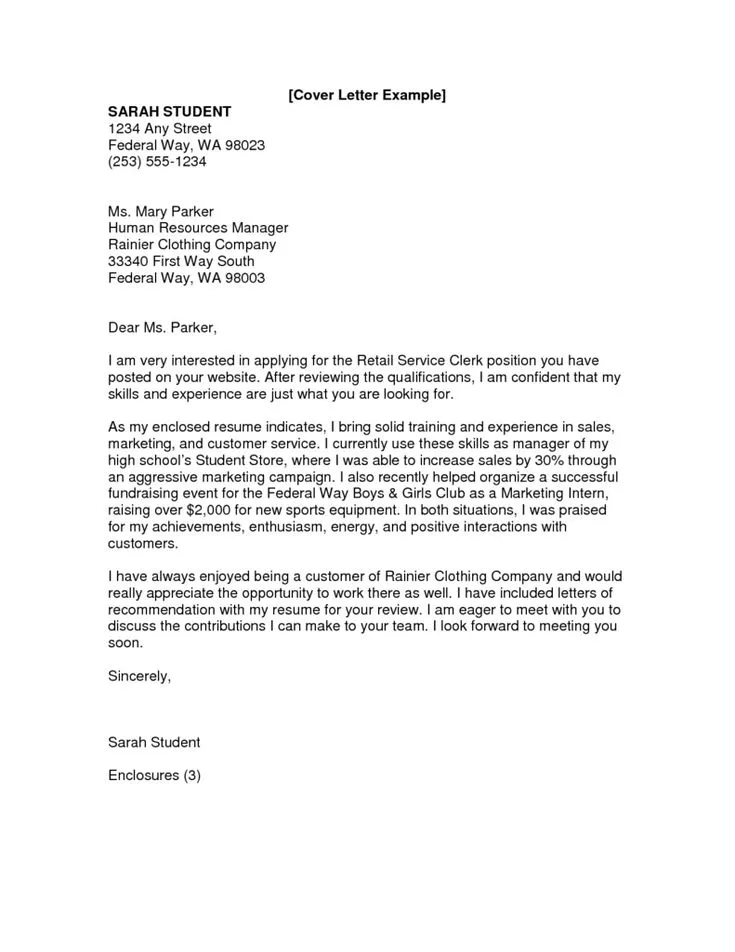
Why a Federal Job Cover Letter Matters
In the competitive landscape of federal job applications, a well-crafted cover letter can be your most valuable asset. Unlike a resume, which primarily lists your experiences, a cover letter provides you with the opportunity to demonstrate your enthusiasm, personality, and interest in the specific role. It’s the first chance you have to make a strong impression on a hiring manager, setting you apart from other equally qualified candidates. A cover letter gives you the space to connect your skills and experiences directly to the requirements of the job. A compelling cover letter significantly increases your chances of securing an interview, thereby paving the way for a job offer. Consider it as a strategic marketing tool, showcasing why you are the perfect fit for the federal job.
Highlighting Your Skills for Federal Jobs
Federal job descriptions often have specific skill requirements, and your cover letter is the place to highlight how your skills match those needs. Begin by reviewing the job description carefully. Identify the key skills and qualifications the agency is seeking. Then, craft paragraphs that showcase these skills using specific examples from your previous work or academic experiences. Don’t simply list your skills; demonstrate them. For example, instead of stating that you possess strong communication skills, provide an example of when you successfully communicated complex information to a diverse audience, resulting in a positive outcome. Use action verbs to describe what you did, and quantify your achievements whenever possible. By focusing on the skills the agency prioritizes, you can effectively show that you understand the requirements of the role and are ready to contribute to their mission.
Tailoring Your Cover Letter to the Job Description

Generic cover letters are quickly identified and often discarded. To maximize your chances of success, customize each cover letter to the specific job you’re applying for. Start by thoroughly analyzing the job description. Identify the key responsibilities, required skills, and preferred qualifications. Then, structure your letter to address these points directly. Use the job description’s language and keywords to demonstrate that you understand the position and are a strong fit. Show how your skills and experiences align with the job’s requirements. This might include highlighting relevant projects, experiences, or accomplishments that make you an ideal candidate. Personalizing your letter shows the hiring manager that you’ve taken the time to understand the role and are genuinely interested in the opportunity. This attention to detail is crucial in making a positive first impression and securing an interview.
Key Components of a Federal Cover Letter
Contact Information
Your contact information is the first thing a hiring manager sees, so it’s essential it is clear and professional. Begin with your full name, followed by your address, phone number, and professional email address. Ensure your email address is appropriate and easy to read, using a format like firstname.lastname@email.com. Double-check all information for accuracy. Place it at the top of your cover letter, typically on the left side of the page. If applying online, ensure your contact information matches your resume and application. Providing multiple contact methods ensures the hiring manager can reach you easily. Keeping this section concise and accurate allows the recruiter to easily find your contact details. Accurate information is essential if you hope for an interview.
Opening Paragraph

The opening paragraph is your chance to grab the hiring manager’s attention. Start by stating the position you’re applying for and where you found the job posting. Then, provide a brief, compelling statement of why you’re interested in the position and the agency. Express enthusiasm and demonstrate your understanding of the agency’s mission or goals. Highlight one or two key skills or accomplishments that make you an ideal candidate, relating them to the job requirements. This paragraph sets the tone, so make it impactful and concise. Avoid generic phrases. Show genuine interest. A strong opening paragraph encourages the reader to continue reading, increasing your chances of making a positive first impression.
Body Paragraphs
The body paragraphs are the core of your cover letter, where you demonstrate your qualifications and why you are the best candidate. Use these paragraphs to provide specific examples of your skills, experiences, and accomplishments. Each paragraph should focus on a different aspect of the job requirements, with detailed examples to back up your claims. Use the STAR method (Situation, Task, Action, Result) to structure your examples, providing a clear narrative highlighting your achievements. Quantify your accomplishments whenever possible using numbers, percentages, or specific outcomes to demonstrate your impact. For instance, instead of saying you “improved customer service,” you might say you “reduced customer complaint response time by 25%.” Tailor each paragraph to the specific requirements of the job description, using the language and keywords from the posting. By showing, not just telling, you can provide evidence of your abilities and how you can contribute to the agency’s success.
Closing Paragraph
Your closing paragraph should summarize your interest in the position and reiterate your qualifications. Thank the hiring manager for their time and consideration and express your enthusiasm for the opportunity. State your intention to follow up, either by mentioning that you will be available for an interview or by providing your contact information again. Avoid ending with a generic phrase; instead, restate why you are an ideal candidate. Include a call to action, such as encouraging the hiring manager to contact you to schedule an interview. Proofread the entire letter, especially the closing, to ensure it is free of errors. A strong closing paragraph is an excellent way to make a lasting impression, emphasizing your key strengths and reinforcing your desire for the position. This conclusion increases your chances of receiving an interview call.
Formatting and Style Guidelines for Federal Cover Letters

Font Selection and Formatting
The formatting of your cover letter is as important as its content. Choose a professional and easy-to-read font, such as Times New Roman, Arial, or Calibri, and use a font size between 10 and 12 points. Maintain consistent formatting throughout, including font size, line spacing (1.15 or 1.5), and margins (1 inch on all sides). Use clear and concise language, avoiding jargon and overly complex sentences. Break up large blocks of text with bullet points or numbered lists to improve readability. Bold key words to make them stand out. Ensure your letter is free of errors. The appearance should be clean, organized, and professional, reflecting your attention to detail. Save your cover letter as a PDF to maintain formatting.
Proofreading and Editing
Proofreading and editing are critical steps. Before submitting, review it for any errors in grammar, spelling, punctuation, and formatting. Read the letter multiple times, and consider reading it aloud. Use spell-check and grammar-check tools, but don’t rely on them entirely. Ask a friend, family member, or career counselor to review your cover letter. A fresh pair of eyes can often spot mistakes you might have missed. Pay close attention to your sentence structure and word choice, ensuring they are clear and professional. Correcting errors shows attention to detail and a commitment to quality. This increases your chances of making a positive impression. Make sure that the formatting is correct as well.
Common Mistakes to Avoid in Your Cover Letter

Overly Generic Content
One of the most common mistakes is using a generic cover letter that could apply to any job. It should be tailored to the specific position and agency. Avoid general statements or phrases that lack substance. Instead, highlight your specific skills, experiences, and accomplishments that align with the job requirements. Demonstrate your knowledge of the agency’s mission and goals. Show your genuine interest. Providing examples that show your ability to perform is better than just listing skills. It gives the reader a better understanding of your abilities. The more specific and tailored your content, the more compelling it becomes. Demonstrate to the hiring manager that you have researched the role. Show your commitment to the specific opportunity. This makes a strong first impression.
Lack of Specific Examples
Failing to provide specific examples is another critical error. Instead of making general claims, use concrete examples to illustrate your abilities. Describe your achievements, using the STAR method to provide context, explaining the Situation, Task, Action, and Result. This method helps hiring managers visualize your experience and understand your contributions. Quantify your achievements whenever possible. Show, don’t just tell, and always back up your claims with evidence. Providing specific examples demonstrates your ability to perform the job tasks and makes your qualifications more credible. The goal is to convince the hiring manager that you possess the skills and experience necessary, making you a valuable candidate.
Not Proofreading Carefully

Errors in spelling, grammar, punctuation, and formatting can undermine your credibility. Proofread multiple times, and use spell-check and grammar-check tools to catch mistakes. A poorly written letter suggests a lack of attention to detail. It could make the hiring manager question your competence. Ensure your contact information is correct and the formatting is consistent. Ask a friend or career counselor to review your letter for any errors you might have missed. A polished, error-free cover letter demonstrates that you are professional, increasing your chances of being considered. Pay careful attention to detail.
The Power of Action Verbs in Your Federal Cover Letter
Action verbs make your cover letter more dynamic and impactful. They illustrate what you did and how you achieved results. They add energy and purpose to your descriptions, providing a clear picture of your accomplishments. The right choice of action verbs can improve the quality of your cover letter. When writing, use action verbs to start your sentences, describing your experiences. This helps you showcase your skills. For example, instead of saying you were responsible for something, you might say you managed, coordinated, or executed a project. Action verbs provide impact and show that you are proactive and highlight your contributions.
Action Verbs for Skills
When describing your skills, use action verbs that specifically demonstrate your abilities. For technical skills, you might use verbs like developed, implemented, programmed, or analyzed. For soft skills, you might use verbs like led, managed, communicated, collaborated, or resolved. Match the language used in the job description. For instance, if the posting highlights “problem-solving skills,” you could use verbs like identified, analyzed, evaluated, or resolved to demonstrate how you address challenges. Using action verbs strengthens your descriptions and makes your skills more convincing to hiring managers. This helps you create a powerful picture of your relevant abilities.
Action Verbs for Accomplishments

In describing your accomplishments, action verbs are essential. Use verbs like achieved, increased, reduced, improved, launched, or generated to show the results of your actions. Quantify your accomplishments using numbers, percentages, or specific outcomes. For instance, you could say you increased sales by 15% or reduced customer complaints by 20%. If you managed a project, you could say you managed the project or oversaw it. Highlighting your contributions with relevant action verbs helps hiring managers understand your value and gives them a visual. Using action verbs effectively makes your cover letter stand out.
5 Tips for a Standout Federal Job Cover Letter
Tip 1 Research the Agency and the Position
Research the agency and position before you start writing. Understand the agency’s mission, values, and goals, and become familiar with its organizational structure. This helps you tailor your letter and show you understand their priorities. Visit the agency’s website, read news articles, and review any reports. Analyze the job description carefully. Identify the key responsibilities, required skills, and preferred qualifications. Understanding these requirements helps you create a cover letter that addresses the agency’s needs. Doing your research ensures your cover letter shows your genuine interest and commitment.
Tip 2 Showcase Your Achievements

Showcase your achievements, instead of just listing responsibilities. Provide specific examples of your accomplishments. Quantify your results. Use the STAR method to show the Situation, Task, Action, and Result. Focus on the most relevant achievements that align with the job requirements. This approach makes your cover letter more compelling. It demonstrates that you have a proven track record of success. Show the results of your work, which sets your letter apart.
Tip 3 Use the STAR Method
The STAR method is powerful for structuring your examples. STAR stands for Situation, Task, Action, and Result. When describing an achievement, first, provide the context (Situation). Then explain the Task you were responsible for, describe the Action you took, and detail the Result you achieved. This method helps you tell a clear story that illustrates your skills and abilities. By following the STAR method, you provide evidence of your achievements and make your qualifications more memorable. This is also a very effective way to use action verbs and illustrate your experience with real-world examples.
Tip 4 Quantify Your Accomplishments
Whenever possible, quantify your accomplishments. Provide specific metrics and measurable results. Use numbers, percentages, or specific outcomes to show your impact. For instance, instead of saying you “improved customer satisfaction,” you could say you “increased customer satisfaction scores by 15% in six months.” Quantifying your accomplishments provides concrete evidence of your abilities. It makes your achievements more compelling and shows the hiring manager how your skills directly impacted the company’s goals. This strengthens the impact of your cover letter.
Tip 5 Customize Your Cover Letter
Customize your cover letter for each job application. Avoid using a generic template. Tailor your letter to the specific requirements of the position and the agency’s needs. Carefully review the job description and address the key responsibilities and skills. Use the language and keywords from the job posting. Personalize your letter by expressing your genuine interest in the position and the agency. By personalizing your cover letter, you show that you are committed. Customization shows the hiring manager that you’re genuinely interested.
Where to Find Federal Job Cover Letter Examples
There are many resources where you can find federal job cover letter examples. The U.S. government websites offer helpful information and sample cover letters. Job boards and career websites often provide examples to help job seekers. Use these examples as a starting point, and remember to always customize them to fit your unique qualifications. Research and review a variety of cover letter examples. Learn how to structure your letter effectively. This can help you improve the quality of your letter and increase your chances of landing an interview.
By following these guidelines, you can create a compelling federal job cover letter that will capture the attention of hiring managers. A well-crafted cover letter is essential for standing out in the competitive federal job market. Put in the time and effort to show why you are the best candidate. You’ll find your path to a fulfilling career in government.
Conclusion
A strong federal job cover letter is essential for success. By following these tips, you can craft a compelling letter that highlights your skills and achievements. Demonstrate your interest in the position. Remember to tailor each letter, use action verbs, and proofread carefully. A well-crafted cover letter increases your chances of getting an interview. It shows the hiring manager your attention to detail and commitment. Take the time to write an excellent cover letter. The perfect letter can guide you to a rewarding career in public service. Good luck!