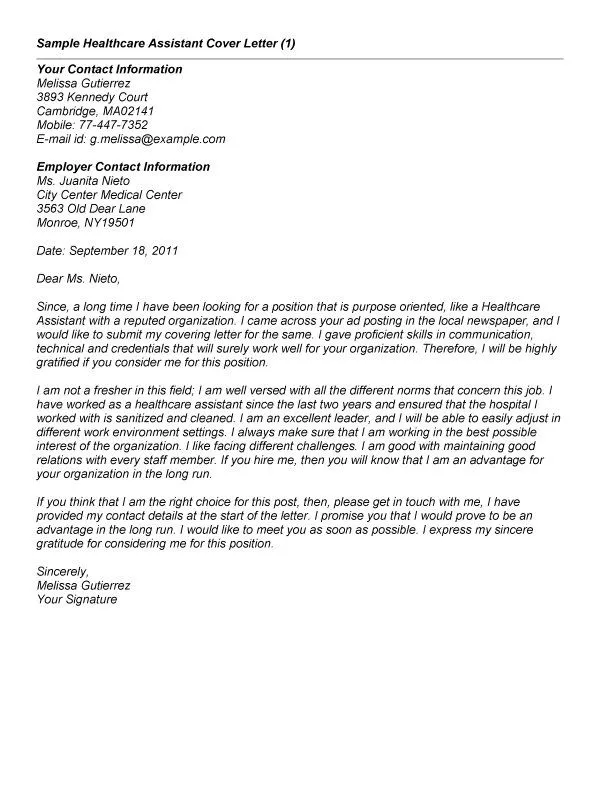
Understand the Purpose of a Hospital Internship Cover Letter
A hospital internship cover letter is your first impression, a crucial tool for landing your dream internship. It’s not just a formality; it’s your chance to stand out and showcase your potential to the hiring committee. The purpose of the cover letter is to introduce yourself, highlight your relevant skills and experiences, and express your genuine interest in the internship opportunity. It should complement your resume by providing context, personality, and a compelling narrative that convinces the reader why you’re the ideal candidate. A well-crafted cover letter demonstrates your communication skills, attention to detail, and commitment to the healthcare field. It allows you to address any specific requirements or preferences mentioned in the job description and directly address the hospital’s needs. Remember, a strong cover letter is your advocate, advocating for your unique qualifications and enthusiasm.
Highlighting Relevant Skills and Experiences
Your cover letter should immediately grab the attention of the reader by clearly demonstrating the skills and experiences you possess that are relevant to the hospital internship. Think beyond just listing your qualifications; provide concrete examples of how you’ve applied these skills. If you have experience in patient care, describe your interactions and the positive outcomes. If you have volunteer experience, explain the tasks you performed and the responsibilities you held. If you have relevant coursework, explain how the knowledge gained applies to the internship’s requirements. Quantify your accomplishments whenever possible. Instead of saying “assisted patients,” say “assisted an average of 15 patients daily,” which is more compelling. Frame your skills and experiences in a way that clearly aligns with the needs of the hospital and the specific internship role, making it obvious why you are a great fit.
Researching the Hospital and the Internship Program

Before you start writing, it’s vital to conduct thorough research on the hospital and the specific internship program. Go to the hospital’s website, read about its mission, values, and recent achievements. Identify the key areas the hospital specializes in and any new programs or initiatives they are undertaking. Understand what the internship program entails; what are the learning opportunities, the responsibilities, and the expectations? Showing this knowledge in your cover letter indicates you’ve taken the time to learn about the organization and that you are genuinely interested in being a part of it. Personalize your cover letter by mentioning specific hospital programs, projects, or areas of research that particularly interest you. This research enables you to demonstrate your understanding of the hospital’s needs and how your skills and experience align with its goals, which will help to demonstrate how the hospital is the right fit for you.
Tailoring Your Cover Letter to the Specific Role
Avoid using a generic cover letter. Tailor each cover letter to the specific hospital internship position you are applying for. Carefully read the job description, paying attention to the required skills, experiences, and qualifications. Customize your cover letter to address these specific requirements and highlight how your qualifications match them. Use the same keywords and phrases that appear in the job description to show that you understand the role and are a great fit. The ability to tailor your cover letter demonstrates attention to detail and your commitment to the specific internship. If the job description emphasizes particular areas of expertise, be sure to highlight your related experiences. If there are specific responsibilities mentioned, give examples of how you’ve handled similar tasks. It is key to the success of your cover letter that it demonstrates you are not just applying for any internship, but that you are enthusiastic about this specific opportunity.
Formatting Your Cover Letter for Readability
A well-formatted cover letter is easier to read and makes a better impression. Use a professional font like Times New Roman, Arial, or Calibri, and maintain a font size of 11 or 12 points. Keep your paragraphs concise and use clear and concise language. Break up long blocks of text with bullet points or short paragraphs to make it easier for the reader to scan and absorb the information. Use headings and subheadings to organize your content logically. Make sure your cover letter is free of grammatical errors and typos. A well-formatted cover letter shows that you pay attention to detail and have professional writing skills. When you format your cover letter, be sure to use a formal business letter format and be mindful of the length, aiming for a single page. Ensure that the layout is clean and uncluttered, and that the information is presented in a way that is easily accessible to the reader. The visual appeal of your cover letter is just as important as the content.
Showcasing Your Passion for Healthcare

Your cover letter is the perfect opportunity to showcase your passion for healthcare. Share why you are drawn to this field, and what specifically motivates you to pursue a career in medicine or healthcare. Discuss any personal experiences that have fueled your passion, such as volunteering at a hospital, assisting with care for a family member, or participating in relevant activities. Mention specific areas of healthcare that interest you most, such as a certain specialty, patient populations, or research areas. Demonstrate your commitment to the mission and values of the hospital, aligning your aspirations with their goals. Express your genuine desire to make a positive impact on patients’ lives and contribute to a team dedicated to providing quality healthcare. Show your commitment, and back it up with evidence that demonstrates your enthusiasm for the field.
Expressing Enthusiasm and Professionalism
A cover letter should express enthusiasm for the internship and your genuine interest in the opportunity. Use positive and upbeat language, and avoid sounding overly formal or detached. Show your eagerness to learn and contribute to the team. However, it is just as important to maintain a professional tone. Avoid slang, informal language, or overly casual expressions. Maintain a professional and respectful tone throughout your cover letter. Proofread carefully and ensure that your writing is polished and error-free. This combination of enthusiasm and professionalism will make a strong impression and show that you are both excited about the opportunity and serious about your career goals. Your enthusiasm for the internship should be contagious, and your professionalism should demonstrate your ability to represent the hospital.
Using Action Verbs to Describe Your Achievements
Use strong action verbs to describe your accomplishments and responsibilities. Instead of saying “I was responsible for” or “I helped with,” use verbs like “managed,” “coordinated,” “implemented,” “developed,” “achieved,” “contributed,” and “led.” Action verbs make your cover letter more dynamic and engaging. They demonstrate your initiative and leadership skills. Quantify your accomplishments whenever possible. For example, instead of saying “improved patient satisfaction,” say “improved patient satisfaction by 15% through implementation of a new communication protocol.” Make sure to use action verbs consistently throughout your cover letter to highlight the impact of your skills and experiences and to make your achievements stand out. This approach makes your cover letter more compelling and shows the hiring manager the value you bring to the table.
Including a Strong Call to Action

Conclude your cover letter with a clear call to action. State that you would welcome the opportunity to discuss your qualifications further in an interview. Include your contact information so that it is easily accessible. Reiterate your enthusiasm for the internship and express your eagerness to learn more about the role. Thank the hiring manager for their time and consideration. A strong call to action prompts the reader to take the next step and shows your commitment to the application process. This is a final chance to make an impact. By including a specific request for an interview, you are demonstrating initiative and your eagerness to move forward. Making it clear how to contact you, and thanking the reader, ensures that your application concludes with a professional and positive note.
Proofreading and Editing Your Cover Letter
Before submitting your cover letter, thoroughly proofread and edit it. Check for any grammatical errors, typos, or formatting issues. Make sure your letter flows logically and that your points are clear and concise. Ask a friend, family member, or career advisor to review your cover letter for any errors or suggestions. A polished and error-free cover letter demonstrates your attention to detail and your professionalism. Proofreading is a crucial step and can make the difference between landing an interview or having your application rejected. Read your cover letter aloud to catch any awkward phrasing or grammatical errors. Ensuring the accuracy and clarity of your cover letter is a testament to your ability to present yourself effectively, increasing your chances of success.