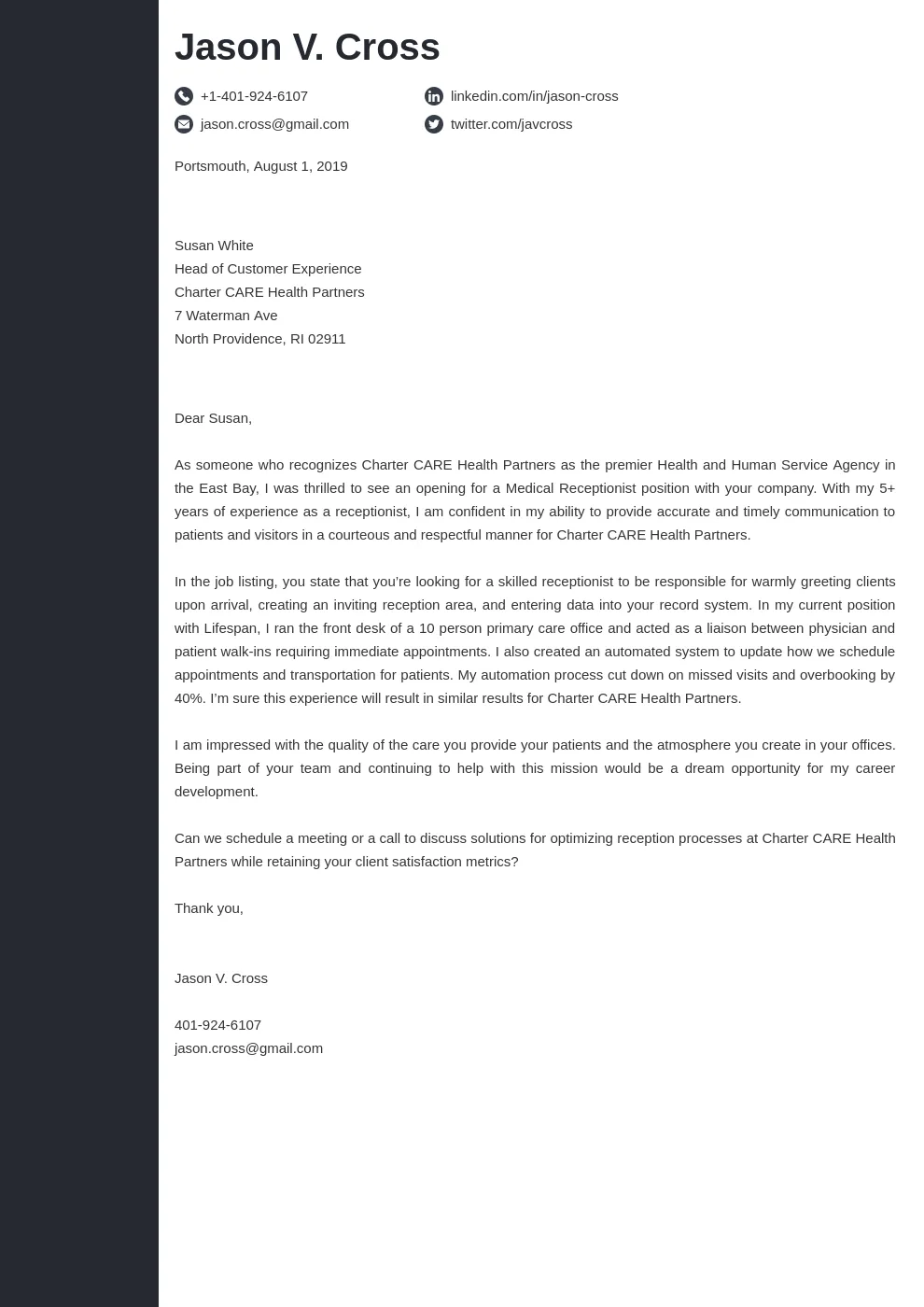
Understand the Purpose of Addressing a Cover Letter
Addressing a cover letter correctly is more than just a formality; it’s a crucial step in making a strong first impression and demonstrating your attention to detail. When you take the time to properly address your cover letter, you signal to the hiring manager or recruiter that you are serious about the opportunity and have done your research. This initial interaction sets the tone for the rest of your application and can significantly impact how your candidacy is perceived. A well-addressed cover letter shows respect, professionalism, and a genuine interest in the company and the specific role.
Why Addressing Matters
The way you address your cover letter communicates your level of professionalism and your respect for the recipient. It shows that you’ve taken the time to personalize your application and aren’t just sending out a generic message. This personalization can set you apart from other applicants who may have used a generic greeting. A properly addressed cover letter demonstrates that you understand the importance of detail and are willing to go the extra mile, qualities that are highly valued by employers. This seemingly small detail can contribute significantly to your overall application success.
Impact on First Impression

Your cover letter’s address is often the first thing a hiring manager reads, making it your initial opportunity to make a positive impression. An incorrectly addressed letter, or one with a generic greeting, can immediately signal a lack of effort or attention to detail, potentially leading the reader to dismiss your application before they’ve even reviewed your qualifications. A well-crafted and appropriately addressed cover letter, on the other hand, shows that you care enough to get the details right and understand the importance of tailoring your application to the specific opportunity and the company. This thoughtful approach can make a significant difference in how your application is received.
Key Components of Addressing a Cover Letter
There are several key components to addressing a cover letter correctly. Ensuring that you include the correct recipient’s name and title, using a formal salutation, and adhering to proper formatting guidelines are all essential steps. Each of these elements contributes to creating a professional and polished document that effectively conveys your qualifications and your enthusiasm for the position. Paying close attention to these details can make a significant difference in the overall impact of your application, making it stand out positively to potential employers.
The Recipient’s Name and Title
Always address your cover letter to a specific person whenever possible. This demonstrates that you’ve researched the company and are genuinely interested in the position. Use the hiring manager’s name and title. If you cannot find the name of the hiring manager, try to find the name of someone in the human resources department or the department head. Addressing your cover letter to ‘Dear Hiring Manager’ is better than using a generic greeting, but addressing it to a specific person shows even more initiative and attention to detail.
Finding the Right Contact Information

Finding the correct contact information is crucial. Check the job posting, the company’s website (especially the ‘About Us’ or ‘Contact’ sections), and professional networking sites like LinkedIn. On LinkedIn, you might be able to find the hiring manager or the relevant department head. Be sure to verify the spelling and title. If you are unsure, a quick search engine query of the company website or a LinkedIn profile can provide accurate information, helping you to avoid addressing the letter to the wrong person.
Using Formal Salutations
The salutation sets the tone for your cover letter. Always use a formal salutation, such as “Dear Mr. Smith” or “Dear Ms. Jones.” Even if the company culture seems informal, it is always best to err on the side of formality in your initial communication. This approach demonstrates respect and professionalism. Avoid overly casual greetings. The goal is to establish a positive and respectful tone from the outset of your cover letter, which contributes to your overall presentation and professional image.
Choosing the Right Salutation
When addressing someone, use their correct title (Mr., Ms., Dr., etc.) followed by their last name. If you’re unsure of the gender of the person you’re addressing, using their full name is a safe option, such as “Dear Alex Johnson.” If the recipient’s gender is unknown, or if you cannot find a specific name, then use a more general salutation like “Dear Hiring Manager.” The most important thing is to show that you’ve made an effort to find out the correct information. Always make sure the salutation matches the professional context.
Formatting and Style Guidelines

Proper formatting enhances the readability and professionalism of your cover letter. Pay close attention to font choices, text formatting, and spacing, as these elements contribute to a clean and easy-to-read document. Proper formatting helps to ensure that your cover letter is visually appealing and easy for the hiring manager to navigate, which supports the presentation of your qualifications and your professional approach. Consistent formatting shows attention to detail, which is valued by employers.
Font and Text Formatting
Use a professional and easy-to-read font, such as Times New Roman, Arial, or Calibri. Keep the font size between 10 and 12 points. Use consistent formatting throughout the document. Bold or underline key points sparingly. Avoid using excessive italics or decorative fonts. Good formatting enhances the readability of your cover letter. These subtle choices demonstrate professionalism and respect for the reader’s time.
Spacing and Layout
Use single spacing within paragraphs and double spacing between paragraphs. Left-align your text, and avoid using full justification. Ensure consistent margins (typically one inch on all sides). The layout should be clean and uncluttered, with clear separation between sections. This layout facilitates easy reading and allows the hiring manager to quickly understand the key points. Proper spacing makes your cover letter more inviting and professional. Avoid overcrowding the page.
Common Addressing Mistakes to Avoid

Avoiding common mistakes can significantly increase your chances of making a positive impression. Incorrect titles, spelling errors, and generic greetings can undermine your application. Being aware of these pitfalls will allow you to create a professional cover letter that effectively conveys your qualifications and attention to detail. Proofreading your cover letter carefully before submission is crucial to avoid errors.
Using the Wrong Title or Name
Double-check the recipient’s name and title to ensure accuracy. Misspelling a name or using the wrong title is a major error and can create a negative impression. If you’re unsure, research the information on the company’s website or LinkedIn. Always verify the information to avoid errors. Accuracy in this area demonstrates your attention to detail. Taking this extra step can boost your credibility, and make you appear more professional to the hiring team.
Generic Greetings and Their Impact
Avoid generic greetings such as “To Whom It May Concern.” While these are better than no salutation at all, they lack personalization. Instead, try to find the name of the hiring manager or the person responsible for reviewing applications. If you can’t find a name, use a more specific salutation, such as “Dear Hiring Manager.” Personalization is critical to making a positive first impression. Taking the time to tailor your application is always the best approach.
Tips for Specific Situations

Various scenarios require different approaches. Knowing how to address your cover letter when you don’t know the contact person, or when applying to a hiring manager, will ensure your application presents you in the best possible light. Adapting to different circumstances helps to demonstrate professionalism and respect for the hiring process.
When the Contact Person is Unknown
If you cannot find the hiring manager’s name, use a more general salutation such as “Dear Hiring Manager,” “Dear [Department Name] Hiring Team,” or “Dear [Job Title] Search Committee.” Always try to find a specific name, but if that isn’t possible, these options are acceptable. Make sure your greeting aligns with the overall tone of the job posting. It is better to be slightly more formal than overly casual in your initial contact with a potential employer.
Addressing to a Hiring Manager
If the job posting specifies the hiring manager’s name, use it. For instance, ‘Dear Mr. Smith’. If only a job title is provided, address your cover letter to that role, for example, ‘Dear Hiring Manager’. Always refer to the job posting, and pay close attention to the instructions. Making a personalized effort, even if the name is unavailable, can improve your application and give you an advantage. Always present a professional and attentive approach.
Making a Positive Impression
By paying attention to the details of how you address your cover letter, you are signaling to the hiring manager that you are serious about the opportunity. Your attention to detail and professionalism can set you apart from other applicants. Taking the time to craft a well-addressed cover letter showcases your respect and your initiative. This is a crucial first step towards getting your application noticed. Make a positive and lasting impact.