What is a Cover Letter (and Why You Need One)
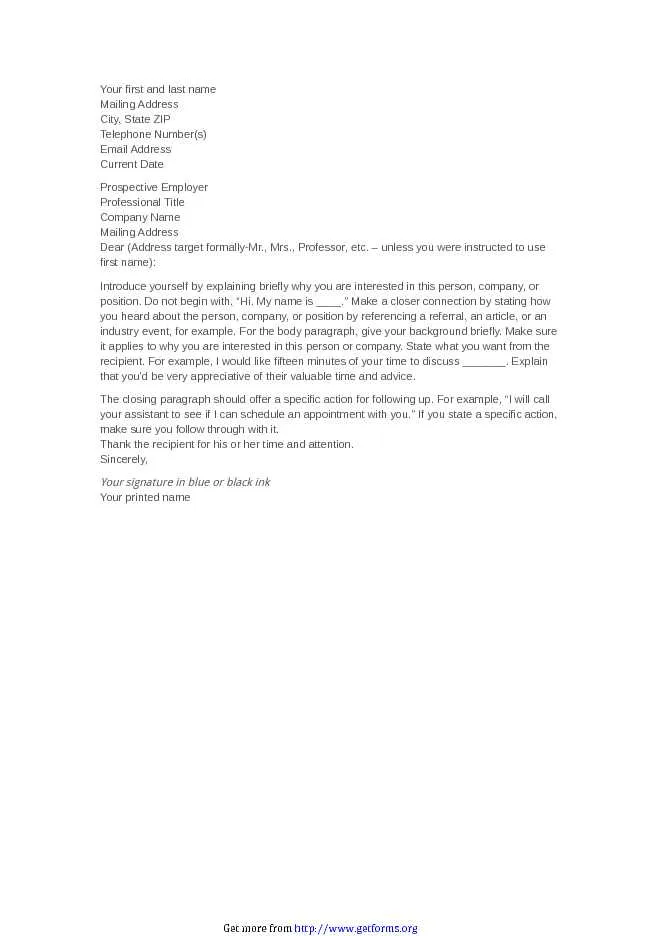
A cover letter is a crucial document that accompanies your resume when applying for a job. Often overlooked, it serves as your initial introduction to a potential employer and offers a chance to make a strong first impression. Unlike a resume, which provides a factual overview of your work history and skills, a cover letter allows you to demonstrate your personality, enthusiasm, and genuine interest in the specific role and company. It is an opportunity to communicate why you are the ideal candidate. Consider it as your chance to stand out from the crowd and secure an interview. A well-written cover letter can significantly increase your chances of getting noticed by a hiring manager and ultimately landing your dream job. By highlighting your relevant skills, experiences, and accomplishments, you can capture the attention of potential employers and make a lasting impression.
Essential Cover Letter Elements
A compelling cover letter should include several key elements to effectively communicate your qualifications and interest. These elements work together to present you as a well-rounded and enthusiastic candidate. Each section plays a critical role in conveying your value to the employer. Your cover letter should be a personalized document, specifically tailored to the job description and the company. Generic cover letters often fail to impress. Remember to customize it to each position. By focusing on these essential elements, you can create a cover letter that captures the attention of hiring managers and increases your chances of securing an interview.
Your Contact Information

At the top of your cover letter, clearly state your contact information. This typically includes your full name, address, phone number, and professional email address. Ensure that your email address is professional and appropriate. This information allows the hiring manager to easily contact you for an interview. Make sure it’s up-to-date. Including your LinkedIn profile URL is also a good practice, providing the employer with a quick way to learn more about your professional background. Use a clear and easy-to-read format, usually left-aligned, to ensure the information is easily accessible. This initial section sets the stage and makes it easy for recruiters to get in touch.
Hiring Manager’s Contact Information
If possible, address your cover letter to the hiring manager by name. Researching the hiring manager’s name shows initiative and attention to detail. This personal touch demonstrates that you’ve taken the time to learn about the company and the specific role. If you can’t find the hiring manager’s name, use a general greeting like “Dear Hiring Manager” or “Dear [Department Name] Team.” Include the company’s address and the date below your contact information. Always double-check the spelling of the hiring manager’s name to avoid any errors. This personal touch makes your application stand out.
A Compelling Opening Paragraph
The opening paragraph is your opportunity to capture the reader’s attention. Start by stating the position you’re applying for and where you found the job posting. Briefly mention your enthusiasm for the role and the company. Avoid generic openings and focus on showcasing what makes you an excellent candidate. Consider including a brief statement about your most relevant skill or experience that aligns with the job requirements. Make it clear why you are excited about the opportunity and what you bring to the table. This initial paragraph sets the tone for the rest of your cover letter and encourages the hiring manager to continue reading.
Highlighting Your Skills and Experience

The body of your cover letter is where you showcase your skills and experience, demonstrating how you meet the job requirements. Carefully review the job description and identify the key skills and qualifications the employer is seeking. Provide specific examples of how you have used these skills in previous roles. This section is your chance to prove you are a strong match for the position. Tailor your examples to align with the job posting. This section allows you to connect your experiences with the specific needs of the role, making your application highly relevant. Use action verbs and focus on your accomplishments. This is where you build a case for your candidacy.
Showcasing Relevant Accomplishments
Instead of just listing your responsibilities, highlight your accomplishments. Quantify your achievements whenever possible. Use metrics and data to show the impact you made in previous roles. This demonstrates the value you brought to past employers and provides concrete evidence of your skills. Did you increase sales, improve efficiency, or reduce costs? Be specific about your achievements. Providing tangible results strengthens your claims and shows you are a high-performing candidate. The STAR method (Situation, Task, Action, Result) is a great framework for structuring your accomplishment stories. Focus on demonstrating what you achieved. It helps to illustrate the impact of your actions.
Quantifying Your Achievements
Numbers speak volumes. Use data to illustrate the scope and impact of your accomplishments. Instead of saying “Improved customer satisfaction,” state “Increased customer satisfaction by 15% through implementing a new feedback system.” Quantifying your achievements adds credibility to your claims and makes your cover letter more compelling. Numbers make your achievements more persuasive. Use percentages, dollar amounts, or specific quantities to provide concrete evidence of your capabilities. This helps the hiring manager understand the value you can bring to their organization. Highlighting your achievements with numbers makes your application more memorable.
Demonstrating Company Knowledge and Enthusiasm
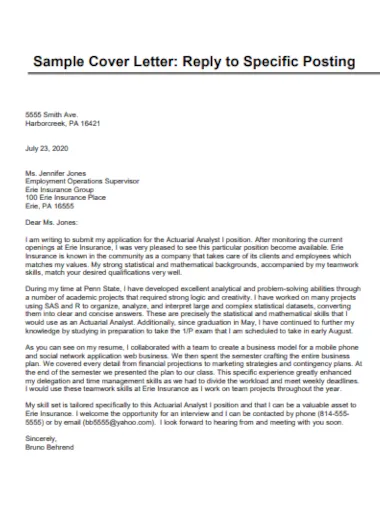
Show that you’ve researched the company and understand its mission, values, and recent activities. This demonstrates genuine interest and shows that you are not just sending out generic applications. Mention specific projects, initiatives, or products that resonate with you. Tailor your cover letter to demonstrate your understanding of their industry and how your skills align with their goals. Highlight anything that shows you’ve taken the time to learn about the company. This can be as simple as referencing a recent news item or a company event. This shows that you’re truly interested in joining their team and not just looking for any job.
Expressing Your Interest and Call to Action
Conclude your cover letter by reiterating your interest in the position and the company. Clearly state your desire for an interview. This final paragraph should reiterate your enthusiasm for the opportunity and offer your availability for an interview. Express your confidence in your abilities and your eagerness to contribute to the team. Make it easy for the hiring manager to take the next step. Always thank the reader for their time and consideration. Express your thanks and restate your interest in the position. A clear call to action encourages the reader to contact you.
Proper Formatting and Structure for Cover Letters
The format and structure of your cover letter are just as important as the content. A well-formatted cover letter is easy to read and visually appealing. Following the correct structure makes a professional presentation and is a sign of your attention to detail. Use a clean and professional format to ensure your cover letter makes a positive impression. Proper formatting shows you are organized and professional. Proper structure also helps you organize your ideas logically, making your points clearer. Formatting makes your cover letter more accessible and makes it easy for the hiring manager to quickly get the important points.
Formatting Guidelines

Adhere to standard formatting guidelines to ensure your cover letter looks professional. Use a consistent font throughout the document. Keep your letter concise, ideally within one page. Use single spacing within paragraphs and double spacing between paragraphs. Use left alignment for the main body of the text. Ensure your letter is easy to read and visually appealing. By following these guidelines, you create a polished and professional cover letter. A well-formatted document helps your message come across more effectively. A well-formatted cover letter is also a sign of professionalism and attention to detail.
Font Selection and Size
Choose a professional and readable font such as Times New Roman, Arial, or Calibri. These fonts are widely accepted and easy on the eyes. Use a font size between 10 and 12 points. This ensures your text is large enough to be read comfortably. Ensure the font you choose is clear and professional. Avoid overly stylized or decorative fonts that can distract from your message. Choosing a readable font makes your letter more accessible and easier for the reader to absorb your information. Using a standard font makes a good impression.
Spacing and Margins
Use standard one-inch margins on all sides of your cover letter. This creates a balanced and clean look. Use single spacing within paragraphs and double spacing between paragraphs. This improves readability. Proper spacing helps the reader to quickly navigate the content. Make sure the letter looks well-structured and professional. This spacing helps make your content easier to read. This enhances readability and helps the hiring manager quickly scan your application.
Proofreading and Editing

Proofread your cover letter carefully for any grammatical errors, typos, and inconsistencies. Errors can undermine your credibility. Ask a friend, family member, or career counselor to review your cover letter for feedback. Proofreading is a critical step in the cover letter writing process. Always double-check your work to ensure that your letter is free from mistakes. A well-written cover letter needs to be proofread. Make sure you also check the spelling of the company name and the hiring manager’s name. Carefully review every aspect of your cover letter. Doing so makes a strong professional impression and it demonstrates that you have attention to detail. Proofreading ensures that you present yourself in the best possible light.
Common Mistakes to Avoid
Several common mistakes can damage the effectiveness of your cover letter. Avoid generic templates; customize each letter for the specific job and company. Never use jargon or overly complex language. Keep it simple and clear. Do not repeat information from your resume; use the cover letter to elaborate on your skills and experiences. Avoid typos, grammatical errors, and spelling mistakes. Do not ramble or include irrelevant information. Do not make the letter too long. These errors can make a negative impression on the hiring manager. Avoiding these mistakes will increase your chances of success. Paying attention to these common pitfalls can greatly improve your application.
By following these guidelines, you can craft a stellar cover letter that helps you stand out from the competition and land your dream job. Good luck!