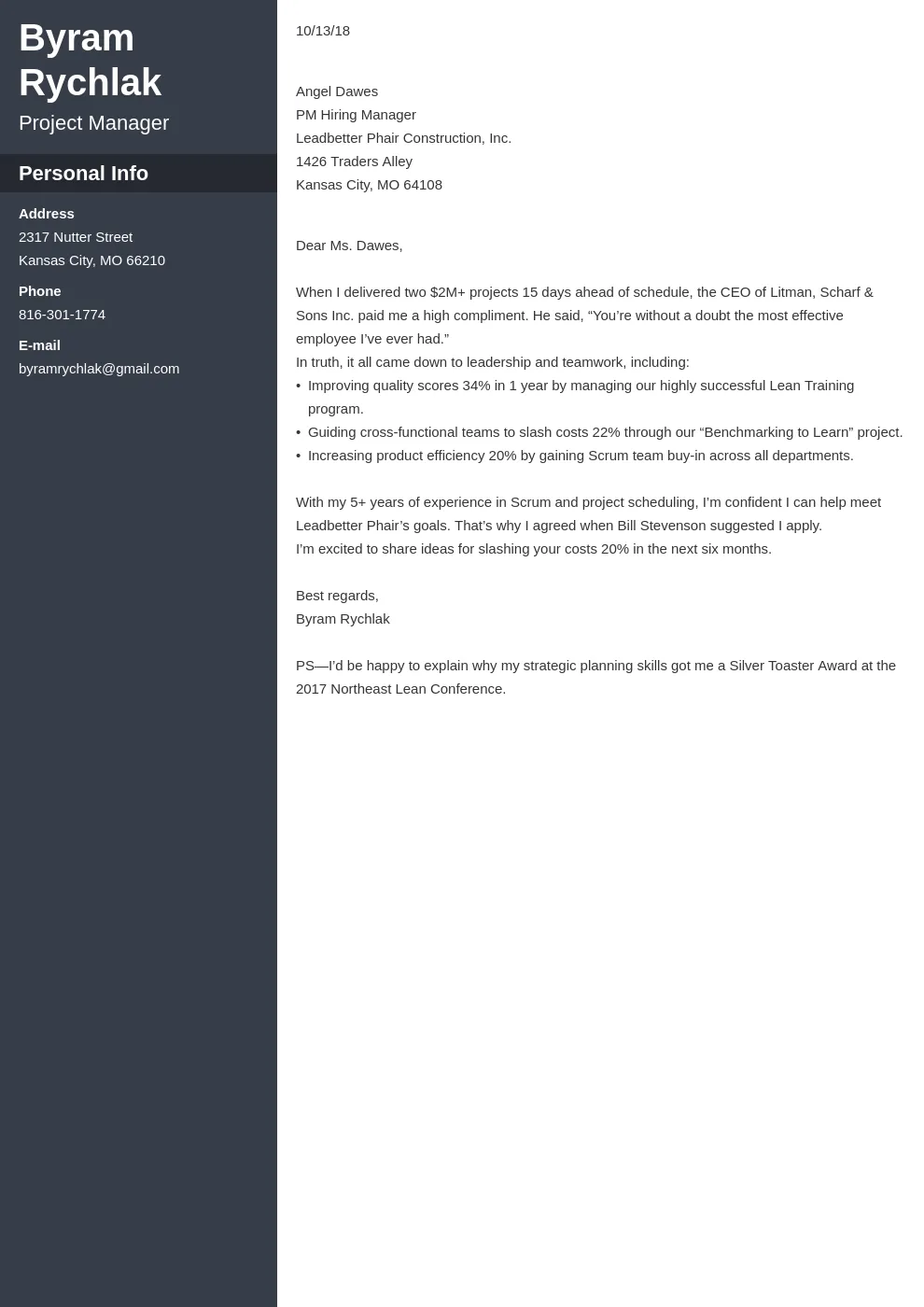
Highlight Your Value Proposition
The end of your cover letter is a critical opportunity to leave a lasting impression. Don’t just rehash your resume; instead, use this space to reiterate your value proposition. What makes you the ideal candidate? What unique skills or experiences do you bring to the table that directly align with the job requirements? Clearly articulate how you can contribute to the company’s success. This isn’t about simply listing your qualifications; it’s about demonstrating the tangible benefits you offer. Frame your closing to highlight your potential impact, showcasing your understanding of the role and how you plan to excel in it.
Summarize Your Key Skills and Experiences
In a concise and impactful manner, summarize the most relevant skills and experiences that make you a strong fit for the position. This reinforces the key takeaways from your letter and ensures the hiring manager remembers your most valuable assets. Focus on 2-3 key skills or experiences that directly address the needs outlined in the job description. Provide specific examples whenever possible to illustrate how you’ve used these skills to achieve positive outcomes in previous roles. Tailor this section to each application, emphasizing what the employer is specifically seeking.
Emphasize Your Enthusiasm for the Role

Show your genuine interest in the position and the company. Expressing enthusiasm can significantly increase your chances of making a positive impression. Explain why you’re excited about the opportunity and what aspects of the role or company particularly appeal to you. This demonstrates that you’ve done your research and are genuinely interested in contributing to their team. Avoid generic statements; instead, highlight specific reasons for your excitement. For instance, mention a project you admire or the company’s mission that resonates with your values. Genuine enthusiasm makes you more memorable and likeable.
Express Gratitude for the Opportunity
A touch of gratitude can go a long way in a cover letter. Thank the reader for considering your application and for their time. This shows respect and professionalism. It’s a simple gesture that makes a positive impression. Even if you’re not ultimately selected, expressing gratitude leaves a favorable impression. This can be as simple as acknowledging their consideration and expressing your appreciation for the opportunity to apply.
Thank the Reader for Their Time and Consideration
This is a standard but essential element of a professional closing. It’s a polite acknowledgment of the hiring manager’s time and effort. It shows respect for their role and the application process. This short phrase can make a significant difference in how your letter is received. By acknowledging their time, you demonstrate consideration and professionalism, both of which are highly valued in any workplace.
Reiterate Your Interest in the Position

Restate your enthusiasm and reiterate your interest in the specific position. This serves as a final reminder of your suitability and eagerness to contribute. This reinforces your interest and makes you more memorable. It confirms that you’re not just sending out mass applications but are genuinely interested in this specific role. It’s a final, subtle way to stand out and encourage the hiring manager to remember you.
Include a Strong Call to Action
Don’t just end your cover letter; guide the reader towards the next step. Include a clear call to action that prompts them to take the initiative. Tell them what you want them to do. Do you want them to contact you? Are you available for an interview? Be direct and make it easy for them to respond. This shows confidence and a proactive approach, qualities that hiring managers value. Make the next step clear and easy for them to follow.
Specify Your Availability for an Interview
Mention your availability for an interview to show your commitment to the process. Be specific with your availability if possible, e.g., ‘I am available for an interview next week’. Offering specific availability makes it easier for the hiring manager to schedule an interview quickly. This can also demonstrate your enthusiasm and eagerness to move forward. Being flexible and accommodating further enhances your appeal as a potential candidate.
Provide Your Contact Information Again

Make it easy for the hiring manager to contact you by including your contact information again at the end of the letter. This is especially important if the contact information in the header isn’t easily accessible. Provide your phone number and email address. This is a common courtesy that makes it easy for them to reach out to you. A simple, clear inclusion of your contact information prevents any delays in the hiring process.
Professional Closing Phrases
The closing phrase is the final touch in your cover letter. Use a professional closing phrase to leave a positive and lasting impression. Choose phrases that reflect your personality and the tone of the letter. These phrases can influence the overall impression. Selecting the right closing phrase is critical for maintaining a professional and confident tone. The right phrase can reinforce your overall message and leave the hiring manager with a positive impression.
Common Closing Phrases
Some standard and widely accepted closing phrases include: ‘Sincerely,’ ‘Best regards,’ ‘Kind regards,’ ‘Thank you for your consideration,’ or ‘Respectfully.’ These are safe and appropriate choices for almost any situation. They convey professionalism and courtesy. They are simple and effective choices for closing your letter. These phrases work well in a variety of professional contexts, and are unlikely to cause any offense.
Less Common Closing Phrases

If you want to add a touch of personality or stand out slightly, consider options such as ‘Best,’ ‘Warmly,’ or ‘Looking forward to hearing from you.’ These options can be suitable if the tone of your letter is more friendly and informal. Ensure the phrase matches the tone of the rest of your letter. Always maintain a professional and appropriate tone. Be careful to avoid any overly casual or informal phrases.
Avoid Common Mistakes
Even the best cover letter can be ruined by a poor closing. Certain mistakes can significantly decrease your chances. Always proofread your letter carefully to avoid any errors that might detract from your message. Always be professional. Always maintain a positive tone. A few common mistakes can easily undermine your hard work. Ensure you avoid these errors to leave a lasting positive impact.
Don’t Be Generic or Vague
Avoid generic or vague closings that lack substance. Phrases like ‘Thank you for your time’ are fine, but they don’t offer much insight. Instead, use the closing to reinforce your value proposition. Provide specifics and demonstrate that you understand the role. Make sure your closing is tailored to the specific job and company, rather than using a generic, one-size-fits-all approach.
Avoid Being Overly Informal

Steer clear of overly informal language or slang. This includes emojis, casual greetings, or overly friendly language. Maintain a professional tone throughout your cover letter, especially in the closing. A professional tone ensures you are taken seriously. This is crucial for making a positive impression on the hiring manager. Stick to professional language to ensure that your application is taken seriously.
Proofread Carefully
Always proofread your cover letter for any grammatical errors, typos, or formatting issues. These mistakes can damage your credibility. Pay special attention to the closing, where errors can be particularly noticeable. Errors show a lack of attention to detail. Proofreading is crucial. Ask a friend or family member to review your letter. Proofread carefully to avoid careless errors.
Formatting and Style
Pay close attention to the formatting and style of your cover letter. A clean and professional appearance shows that you care about the details. Good formatting enhances readability. The visual presentation of your letter contributes to your overall impression. Always use consistent formatting. Apply these formatting guidelines to ensure your cover letter is as polished as possible, and that you give the best impression possible.
Use a Professional Font

Choose a professional and easy-to-read font, such as Times New Roman, Arial, or Calibri. Avoid using overly stylized or unusual fonts that may be difficult to read. Using a professional font creates a good impression and makes your letter easier to read. A simple, professional font conveys professionalism. Ensure your font is easily legible. These fonts are widely accepted and considered professional.
Maintain Consistent Formatting
Maintain consistent formatting throughout your cover letter, including font size, spacing, and margins. Inconsistency can make your letter look unprofessional. Consistent formatting makes your letter appear well-organized and professional. This shows that you pay attention to detail. Consistent formatting is important for making your letter look professional.
Keep it Concise
Keep your closing concise and to the point. Avoid rambling or including unnecessary information. Make every word count. A brief, well-crafted closing is more impactful than a lengthy one. Be concise with your wording. Get to the point quickly. Do not make your closing too long. Your ending should be clear, professional, and direct.