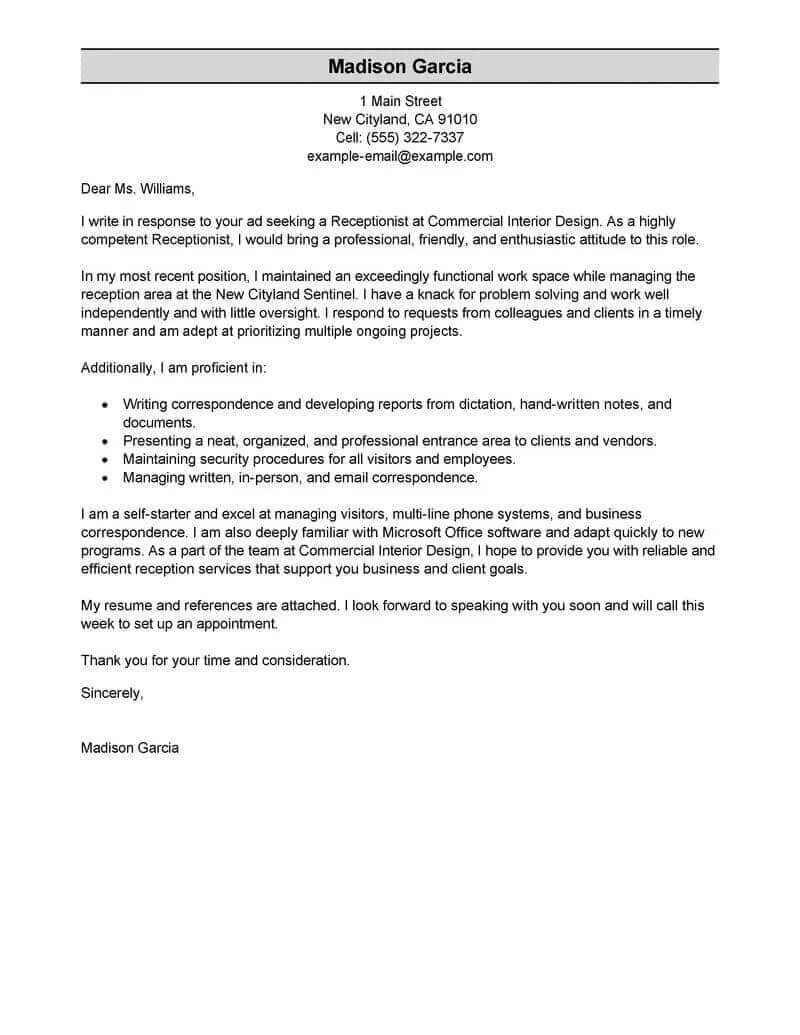
Crafting the Perfect Cover Letter Email
In today’s digital age, a cover letter sent via email is often the first impression you make on a potential employer. This initial contact is critical; a well-crafted email can significantly increase your chances of landing an interview. A poorly written one, however, can land your application in the rejection pile. This guide offers a comprehensive overview of how to write a cover letter email that not only gets read but also compels the recipient to consider your qualifications seriously. We’ll delve into every aspect, from crafting the perfect subject line to incorporating a strong call to action, ensuring your email stands out from the competition and showcases your professional best.
Subject Line Strategies That Grab Attention
Your subject line is the gatekeeper of your email; it determines whether the recipient opens it. A generic subject line like ‘Job Application’ is likely to be overlooked. Instead, be specific and engaging. Use the job title you’re applying for and your name. If you have a referral, mention the referrer’s name as well. For example, “Software Engineer Application - John Doe (Referral from Jane Smith)”. This clearly indicates the email’s purpose and provides a personal connection, increasing the likelihood of the email being opened. Keep it concise and professional, avoiding exclamation points or overly casual language, and always proofread it to ensure there are no typos before hitting send. The goal is to create curiosity and clearly state the email’s intention.
Personalizing Your Email for Maximum Impact

Personalization is key to making a positive impression. Avoid sending a generic cover letter email; tailor it to the specific job and company. Address the hiring manager by name if possible; if not, use a professional greeting like ‘Dear Hiring Manager’. Show that you’ve researched the company and understand their needs. Mention something specific that attracted you to the role or the organization. This demonstrates that you’ve taken the time to learn about them. Within the body of the email, highlight how your skills and experience align with the job requirements. Quantify your achievements whenever possible to provide concrete evidence of your value. Mention specific projects or accomplishments that are relevant to the position, which will set you apart.
Formatting Your Cover Letter Email
Formatting plays a crucial role in readability and professionalism. Keep the email concise; aim for a maximum of three to four paragraphs. Use a clear, professional font like Arial, Calibri, or Times New Roman. Maintain a consistent font size and use bullet points or numbered lists to break up large blocks of text. This makes your email easier to scan and digest. Ensure proper spacing between paragraphs and avoid using excessive bolding or italics. A well-formatted email is easier to read on any device and presents a more polished image. The goal is clarity and ease of reading, ensuring the recipient can quickly grasp your key qualifications and interest.
Key Elements to Include in Your Email
Your cover letter email should include essential elements to convey your qualifications and interest effectively. Start with a professional greeting, addressing the hiring manager by name if possible. Briefly introduce yourself and state the position you’re applying for. In the body, highlight your relevant skills and experience, aligning them with the job requirements. Mention your key accomplishments and quantify them whenever possible. Express your enthusiasm for the role and the company, showing that you’ve researched them and understand their mission. Close with a call to action, such as requesting an interview, and provide your contact information, including your phone number and email address, for easy reach. Remember to attach your resume as a PDF.
Highlighting Your Skills and Experience

When highlighting your skills and experience, focus on what makes you a strong candidate for the specific role. Review the job description carefully and identify the key skills and qualifications the employer is seeking. Then, in your cover letter email, emphasize how your skills and experience match these requirements. Provide specific examples of your accomplishments, quantifying your achievements whenever possible. For instance, instead of saying ‘Improved sales,’ state ‘Increased sales by 15% in one quarter by implementing a new marketing strategy.’ Use action verbs to describe your responsibilities and accomplishments. For instance, ‘Managed a team of five,’ ‘Developed a successful marketing campaign,’ or ‘Implemented a new software system.’ Tailor your content to demonstrate that you not only have the required skills but also that you know how to apply them to drive results.
Adding a Compelling Call to Action
A call to action (CTA) is crucial in encouraging the recipient to take the next step. At the end of your cover letter email, clearly state what action you want the hiring manager to take. Common CTAs include requesting an interview or offering to provide more information. Keep it concise and direct. For instance, ‘I am eager to discuss how my skills and experience can benefit your team, I would welcome the opportunity for an interview.’ Provide your contact information again, making it easy for the hiring manager to respond. This demonstrates your eagerness and professionalism, increasing the chances of a positive response. A strong CTA makes it clear that you are enthusiastic about the opportunity and want to move forward in the hiring process.
Proofreading and Editing for Professionalism
Proofreading and editing are critical steps that can make or break your chances. Before sending your email, carefully review it for any grammatical errors, typos, and formatting inconsistencies. Use a spell checker and grammar checker, but don’t rely on them entirely; these tools can miss certain errors. Read your email aloud; this can help you catch awkward phrasing or sentences that don’t flow well. Ask a friend or family member to proofread it as well. A fresh pair of eyes can often spot mistakes that you might have overlooked. Professionalism is essential in every communication, and a polished cover letter email reflects your attention to detail and commitment to excellence.
Following Up Effectively

After submitting your cover letter email, follow up appropriately to show continued interest in the role. Wait a reasonable amount of time, usually one to two weeks, before sending a follow-up email. In your follow-up, politely reiterate your interest in the position and reference your initial email. If you have any new information or achievements to share, feel free to include them. Keep the follow-up email brief and professional, thanking the hiring manager for their time and consideration. If you don’t receive a response after a second follow-up, it’s generally safe to assume the employer has moved on. Following up demonstrates initiative and persistence, which can set you apart from other candidates.
Key Takeaways to Get Results
Writing a successful cover letter email that gets results involves several key elements. Start with a compelling subject line to capture attention. Personalize the email to the specific job and company. Format the email for easy readability. Include key elements such as a greeting, a summary of your skills, and a call to action. Highlight your skills and experience, quantifying achievements whenever possible. Proofread and edit carefully to eliminate errors. Follow up appropriately to show your continued interest. By following these guidelines, you can create a cover letter email that increases your chances of landing an interview and ultimately securing your dream job. A well-crafted email can truly be your gateway to the next step in your career journey.