Crafting the Perfect Cover Letter Email
In the digital age, the way you present yourself in a job application often starts with an email. A well-crafted cover letter email is your first chance to make a strong impression. It’s more than just attaching a document; it’s an opportunity to showcase your communication skills, enthusiasm, and attention to detail. Mastering this art can significantly boost your chances of landing an interview. This guide provides a roadmap for creating a cover letter email that not only gets noticed but also convinces potential employers of your suitability for the role. It delves into essential elements, from the subject line to the closing, offering practical advice and examples to help you stand out in a competitive job market.
Understanding the Purpose of a Cover Letter Email
The primary objective of a cover letter email is to introduce yourself and your qualifications to a potential employer. It serves as a concise and compelling summary of your key skills and experiences, demonstrating why you’re a strong fit for the position. Unlike a resume, which provides a factual overview of your work history, the email allows you to add personality and explain your motivations for applying. It also sets the tone for your communication and demonstrates your writing abilities, which are crucial in many professional settings. It is essential to remember this is your first interaction with your prospective employer, and you need to make it count.
Key Components of a Cover Letter Email

A compelling cover letter email includes several key components designed to capture the reader’s attention and provide the essential information. These include a clear and concise subject line, a professional greeting, a brief introduction summarizing your purpose, a section highlighting relevant skills and experiences, a call to action, and a professional closing. Each of these elements plays a vital role in conveying your qualifications and interest in the role. Neglecting any of these can diminish your email’s impact. By understanding the role of each part, you can create an email that effectively communicates your value proposition.
Subject Line Strategies
The subject line is the first thing a hiring manager sees, so it needs to grab their attention and encourage them to open your email. A well-crafted subject line clearly states the job title and possibly your name. It should be specific and avoid vague phrases. For example, instead of ‘Job Application’, use ‘Application for Marketing Manager Position - [Your Name]’. Including the job reference number (if provided) can also be beneficial. The goal is to make it easy for the hiring manager to identify the email’s purpose quickly. A good subject line is the first step to making a positive first impression.
Greeting and Introduction
Start your email with a professional greeting. Use ‘Dear Mr./Ms./Mx. [Last Name]’ whenever possible. If you don’t know the hiring manager’s name, ‘Dear Hiring Manager’ or ‘Dear [Company Name] Team’ are acceptable alternatives. The introduction should be brief and state the position you’re applying for and where you found the job posting. Indicate your excitement about the opportunity and briefly mention why you’re a good fit. Keep it concise, focused, and direct. The introductory paragraph should make the reader want to know more about you.
Highlighting Your Skills and Experiences

This is the core of your cover letter email. Focus on the skills and experiences most relevant to the job description. Select 2-3 key achievements or skills that demonstrate your qualifications and provide specific examples to support them. Quantify your accomplishments whenever possible. For instance, instead of saying ‘Managed social media campaigns,’ write ‘Managed social media campaigns, increasing engagement by 30% in six months.’ This part should make your potential employer quickly see what you can bring to the role. Always tailor this section to match the job requirements.
Matching Skills with Job Requirements
Carefully review the job description and identify the key skills and qualifications the employer is seeking. In your email, directly address these requirements by highlighting how your skills and experiences align with them. Use keywords from the job description to demonstrate that you have read it and understand what the role entails. Providing specific examples of how you have utilized these skills in the past will further strengthen your application. This approach shows the hiring manager that you are a suitable candidate and have a clear understanding of their needs.
Expressing Enthusiasm and Interest
Let your enthusiasm for the role and the company shine through in your email. Show genuine interest by mentioning specific aspects of the company that appeal to you or how the role aligns with your career goals. This demonstrates that you have done your research and are genuinely interested in the opportunity, making your application more personable. Expressing excitement shows that you are not just sending out a generic email; you are targeting this specific role and company.
Call to Action Requesting an Interview

Conclude your email with a clear call to action. Specifically, request an interview and express your availability. Provide your contact information, including your phone number and email address, so the hiring manager can easily reach you. Thank the reader for their time and consideration. This part is crucial because it encourages the next step in the hiring process and ensures the hiring manager knows how to contact you. A clear call to action increases your chances of securing an interview.
Proper Email Closing
Choose a professional closing such as ‘Sincerely,’ ‘Best regards,’ or ‘Thank you’. Avoid casual closings like ‘Cheers’ or ‘Thanks a bunch’. Ensure your name and contact information are at the end of the email, reiterating the details from your call to action. Double-check the closing to ensure you’ve provided a professional ending that leaves a positive impression. A well-chosen and placed closing reflects attention to detail and professionalism.
Formatting and Presentation Tips
Proper formatting enhances readability and professionalism. Use a clear and readable font like Arial, Calibri, or Times New Roman. Keep the font size between 10 and 12 points. Break up your text into short paragraphs to make it easier to scan. Use bullet points to highlight key skills or accomplishments. Proofread carefully for any grammatical errors or typos, and ensure your email is well-organized and easy to follow. Consider using a professional email signature that includes your name, title, phone number, and links to your LinkedIn profile or portfolio, as needed. A clean and organized format shows attention to detail.
Proofreading and Editing for Professionalism

Before sending your email, proofread it meticulously. Check for spelling, grammar, and punctuation errors. Ensure your tone is professional and appropriate for the role. Read the email aloud to identify any awkward phrasing or unclear sentences. Consider having a friend or colleague review your email to provide a fresh perspective and catch any mistakes you might have missed. Perfect proofreading is a mark of professionalism that can significantly impact your chances of success.
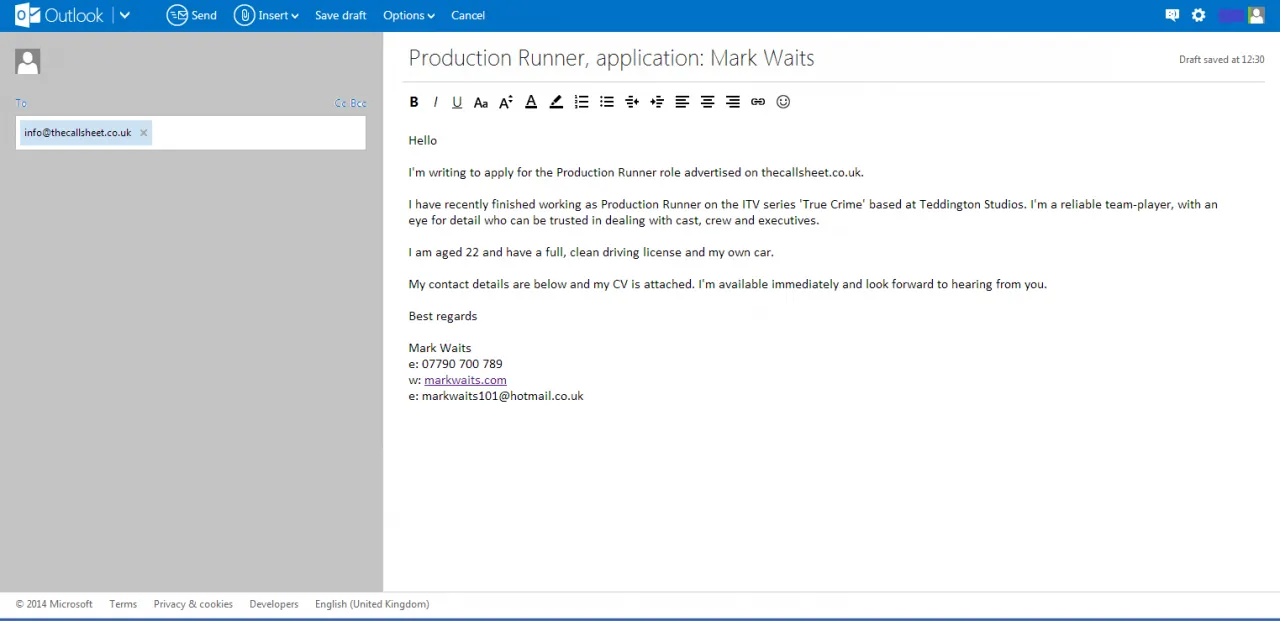
Sample Cover Letter Email Example
Here’s a sample cover letter email to serve as a starting point. Remember to customize it with your specific information and tailor it to each job application:
Subject Application for Marketing Manager Position – [Your Name]
Dear [Hiring Manager Name],
I am writing to express my interest in the Marketing Manager position at [Company Name], as advertised on [Platform]. With five years of experience in marketing and a proven track record of driving successful campaigns, I am confident I possess the skills and enthusiasm to excel in this role.
In my previous role at [Previous Company], I managed digital marketing campaigns that increased lead generation by 40% in one year. I am skilled in social media management, content creation, and SEO, and have a deep understanding of data analytics to measure campaign effectiveness.
I am particularly drawn to [Company Name]’s innovative approach to [Industry]. I am eager to apply my skills and experience to contribute to your team.
Thank you for your time and consideration. I look forward to the opportunity to discuss my qualifications further.
Sincerely, [Your Name] [Your Phone Number] [Your Email Address] [Link to Your LinkedIn Profile (Optional)]
This example shows a basic framework that can be adjusted to various roles and industries.
Adapting Your Email to Different Job Types
The format and content of your cover letter email should be adapted to match the specific job type and the company culture. For creative roles, you might add a touch of personality to the email, and include a link to your portfolio. For more formal professions, it’s essential to maintain a professional tone and structure. Always read the job description carefully, use keywords, and tailor your email to reflect the role’s specific requirements and the company’s expectations. Adapting your approach based on the role demonstrates your understanding of the industry standards.
General Tips for Job Application Emails

Always customize each cover letter email to the specific job and company. Research the company and understand its culture and values. Proofread carefully before sending; typos and grammatical errors can undermine your application. Use a professional email address; avoid using a childish or unprofessional one. Send your email as a plain text or rich text format. If you need to attach documents, clearly label them with your name and the job title. Consider sending your email during business hours to increase the likelihood of prompt review. Remember to follow up if you do not receive a response within a reasonable time. Following these general tips will greatly enhance your professional image and effectiveness.