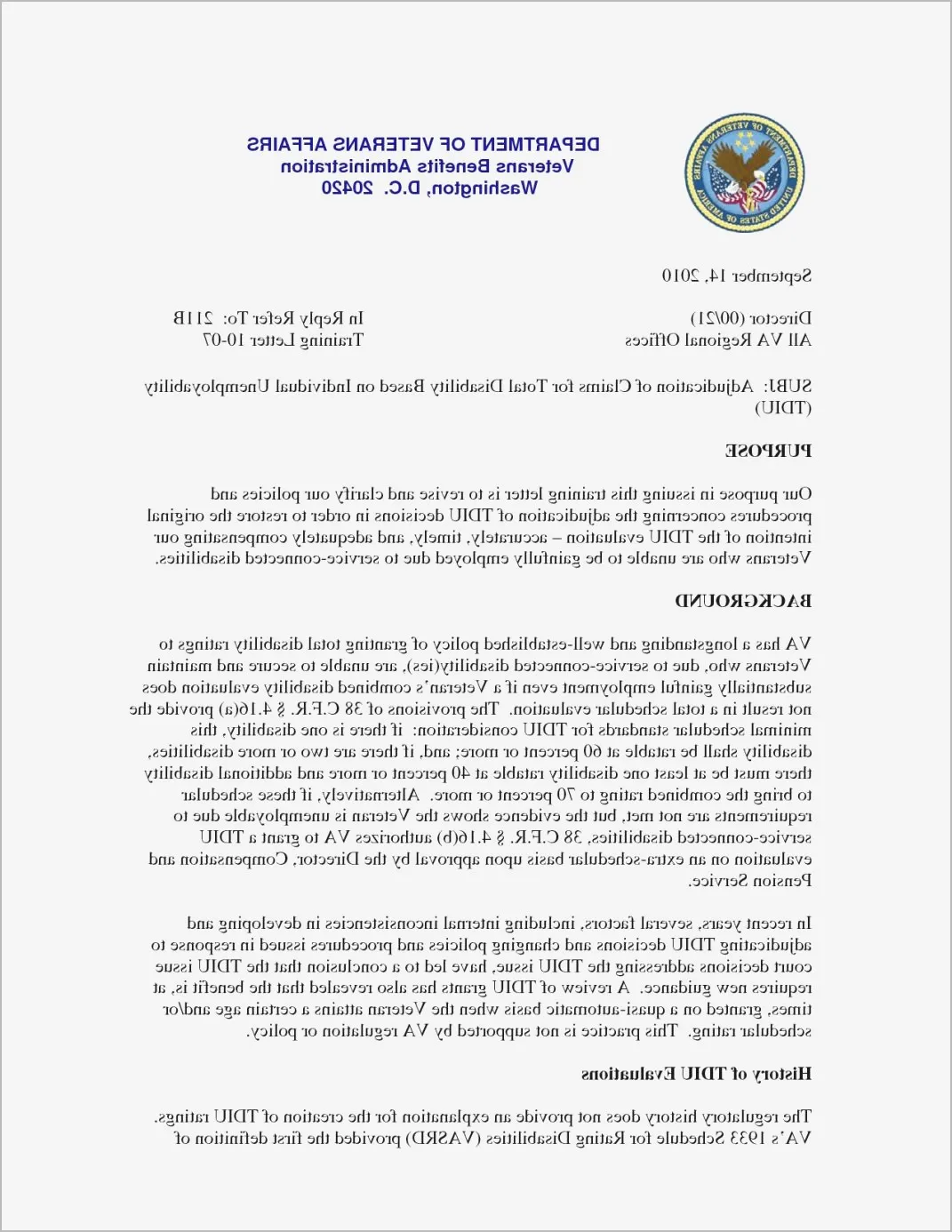
What Is a Cover Letter
A cover letter is a formal document that you send along with your resume when applying for a job. It serves as an introduction to your application, allowing you to highlight your skills, experience, and qualifications in a way that a resume alone cannot. Think of it as your personal sales pitch, giving you the opportunity to persuade the hiring manager why you’re the perfect fit for the role and the company. It provides context to your resume, explaining how your past experiences align with the specific job requirements. A well-crafted cover letter can significantly increase your chances of getting an interview, setting you apart from other applicants.
Why Is a Cover Letter Important
In today’s competitive job market, a cover letter is more than just an optional add-on; it’s a crucial tool for making a strong first impression. It allows you to showcase your personality and enthusiasm, demonstrating your genuine interest in the position and the company. It enables you to tell your story in a compelling and engaging way, connecting your skills and experiences to the specific needs of the employer. It provides an opportunity to address any gaps in your resume or explain career transitions. Many employers view a cover letter as a key indicator of a candidate’s communication skills, attention to detail, and overall professionalism. Without a cover letter, your application may be overlooked, as it signals a lack of effort and interest.
Key Components of a Cover Letter

A well-structured cover letter typically includes several key components that work together to present a comprehensive picture of your qualifications. These components ensure your letter is clear, concise, and tailored to the specific job. Starting with the header, which includes your contact information and the date, followed by the hiring manager’s contact details. Next is the salutation, where you address the hiring manager or the appropriate contact person. The body of the letter is the core content, where you explain your interest in the role, highlight relevant skills and experience, and express your enthusiasm. It should be broken down into paragraphs that each address a specific aspect of your candidacy. Finally, the closing includes a call to action, expressing your interest in an interview, followed by a professional complimentary close and your signature.
Header and Contact Information
The header of your cover letter is the first thing a hiring manager will see, so it’s essential to get it right. It should include your full name, address, phone number, and email address. Ensure that your email address is professional and appropriate for a job application. Also, include the date the letter is written. Following this, include the hiring manager’s name (if known), their title, the company name, and the company’s address. If you don’t know the hiring manager’s name, you can use a general title like ‘Hiring Manager’ or ‘Recruiting Team.’ Make sure the formatting is clear and easy to read, with consistent font sizes and spacing. Accuracy in this section demonstrates attention to detail, a critical skill that employers value.
Salutation and Greeting
The salutation sets the tone for the entire letter. The most professional approach is to address the hiring manager by name. If you’ve researched the company and found the name of the hiring manager or recruiter, use ‘Dear [Mr./Ms./Mx. Last Name]’. If you are unsure of the specific person, use a general greeting like ‘Dear Hiring Manager’ or ‘Dear [Company Name] Recruiting Team.’ Avoid generic salutations like ‘To Whom It May Concern,’ as they can make your letter seem impersonal. Make sure to spell the recipient’s name correctly. This shows respect and attention to detail. The salutation is a crucial step in establishing a positive rapport from the outset. It is the first opportunity to engage the reader, so make it count.
Writing the Body of Your Cover Letter

The body of your cover letter is where you make your case for why you’re the right candidate. It should be concise and focused, highlighting the most relevant aspects of your experience and skills. The structure should consist of an introductory paragraph, followed by several paragraphs that explain your qualifications in detail, and a concluding paragraph that summarizes your interest and includes a call to action. Each paragraph should address a specific point, making it easy for the reader to follow your reasoning. Avoid lengthy paragraphs; aim for a balance between depth and clarity. Use strong action verbs to describe your accomplishments and tailor your letter to the specific requirements outlined in the job description. Clear and concise writing, showcasing your accomplishments, and demonstrating your understanding of the job requirements are critical.
Opening Paragraph Hook
The opening paragraph is your chance to grab the reader’s attention and make them want to read more. Start with a strong hook that immediately shows your enthusiasm for the position. Mention the specific job you’re applying for and where you saw the job posting. Briefly state why you are interested in the role and the company. You could include a brief, impactful sentence that highlights a key accomplishment or skill. Make it clear that you understand the company’s mission and values. Avoid generic openings, such as simply stating that you’re writing to apply for the job. Instead, create a narrative that grabs the reader’s attention from the very beginning. The hook is your initial opportunity to make a positive impression.
Highlighting Relevant Skills and Experience
The body of your cover letter is where you provide details about your qualifications. Carefully review the job description and identify the key skills and experiences the employer is seeking. Then, choose examples from your background that directly align with those requirements. In each paragraph, focus on a few specific skills or experiences, and provide concrete examples of how you’ve demonstrated them. Use the STAR method (Situation, Task, Action, Result) to structure your examples, showing the context, what you did, the actions you took, and the positive outcomes. Quantify your achievements whenever possible to illustrate the impact you’ve made. Tailor your examples to match the job’s specific requirements; generic descriptions won’t make a strong impression. This targeted approach shows you understand the role and can deliver results.
Showcasing Your Achievements

Focusing on your achievements is a key element of an effective cover letter. Instead of simply listing your job responsibilities, highlight your accomplishments and the positive impact you made in previous roles. Use action verbs to describe what you did, providing specific examples of your successes. Quantify your achievements whenever possible. For example, instead of saying ‘Improved customer satisfaction,’ you could say ‘Increased customer satisfaction scores by 15% through implementing a new feedback system.’ Emphasize results and outcomes rather than just activities. This shows the hiring manager the value you can bring to the company. Highlighting accomplishments makes you memorable and demonstrates your ability to deliver results, not just perform tasks.
Expressing Enthusiasm and Fit
Expressing your enthusiasm for the role and the company is crucial. Show genuine interest in the opportunity, and demonstrate that you’ve done your research. Explain what specifically interests you about the position and why you are a good fit for the company culture. Describe how your skills, experience, and values align with the company’s mission and goals. Research the company’s recent projects, achievements, and initiatives and mention them in your letter. Tailor your letter to the company’s specific values and mission, showing them that you understand their goals. Enthusiasm reflects a positive attitude and a strong desire to be part of their team. It helps in creating a memorable impression, making the reader more interested in learning more about you.
Closing Paragraph and Call to Action
The closing paragraph summarizes your interest and includes a call to action. Reiterate your enthusiasm for the role and your belief that you are a strong fit for the company. Express your availability for an interview and how you can be reached. Thank the hiring manager for their time and consideration. Make sure your call to action is clear and direct, such as ‘I am eager to discuss my qualifications further in an interview.’ This signals to the hiring manager the next step. Keep the tone positive and confident. A well-crafted closing paragraph leaves a lasting impression and encourages the hiring manager to contact you.
Complimentary Closing and Signature

The complimentary closing is a polite and professional way to end your cover letter. Common options include ‘Sincerely,’ ‘Best regards,’ or ‘Thank you for your consideration.’ Choose a closing that feels appropriate for the company culture. After the complimentary closing, leave a space for your signature. If you are sending a digital cover letter, you can type your full name. If you are printing the letter, you can sign your name in blue or black ink. Ensure your signature is clear and legible. The complimentary closing and signature add a final touch of professionalism, leaving a positive and polished impression.
Formatting Your Cover Letter
Effective formatting makes your cover letter easy to read and visually appealing. Use a standard font like Times New Roman, Arial, or Calibri, and keep the font size between 10 and 12 points. Use single spacing for the body of the letter, with a blank line between paragraphs. Set margins to one inch on all sides. Ensure your letter is well-aligned, with consistent indentation. Break up long blocks of text with shorter paragraphs and bullet points where appropriate. Use bolding or italics sparingly to highlight key information. A well-formatted letter is easier to read, and demonstrates attention to detail and professionalism.
Proofreading and Editing
Proofreading and editing are critical steps in creating a successful cover letter. Before submitting your letter, thoroughly review it for any grammatical errors, spelling mistakes, and typos. Check the formatting for consistency and accuracy. Read your letter aloud to catch awkward phrasing or unclear sentences. Ask a friend, family member, or career advisor to review your letter for feedback. Ensure that the tone and language are professional and appropriate for the job. A polished, error-free cover letter demonstrates professionalism and attention to detail, making a positive impression on the hiring manager. Always double-check to ensure everything is perfect before submitting.
Tailoring Your Cover Letter

Tailoring your cover letter to each specific job is essential for demonstrating your interest and qualifications. Avoid using a generic template. Customize your letter to match the job description, highlighting the skills and experiences most relevant to the role. Research the company and customize your letter to their values and mission. Refer to specific details from the job posting and explain how your experience aligns with their needs. Show that you have thoroughly researched the company. This targeted approach shows the hiring manager that you are serious about the position and have taken the time to understand the requirements. Customization sets you apart from generic applicants and increases your chances of getting noticed.
Cover Letter Examples for Various Industries
Different industries and job roles require different approaches to cover letter writing. Research common templates and examples for the specific industry or job you are applying for. Tailor your cover letter to the industry’s standards and expectations. In creative fields, such as marketing or design, you might highlight your ability to think creatively and showcase your portfolio. For technical roles, such as engineering or software development, you can emphasize your technical skills and experience. Consider the language and style used within the industry. By studying relevant examples, you can ensure your cover letter is aligned with industry standards and effectively showcases your skills and qualifications.
In conclusion, a well-written cover letter is a crucial tool for any job seeker. By following these steps, you can craft a cover letter that grabs the reader’s attention, highlights your skills and experience, and increases your chances of landing an interview. Remember to always tailor your letter to each specific job and company. Good luck with your job search!