Why Cover Letters Still Matter
In an era dominated by online applications and resume submissions, one might question if a cover letter is still a necessary component of the job application process. The short answer is a resounding yes. While a resume provides a snapshot of your professional history, a cover letter offers a unique opportunity to introduce yourself, elaborate on your qualifications, and express your genuine interest in the specific role and company. It’s your chance to demonstrate your communication skills and articulate why you’re the ideal candidate. A well-crafted cover letter can set you apart from other applicants and significantly increase your chances of securing an interview, serving as a bridge to connect your skills with the job requirements.
The Purpose of a Cover Letter
The primary purpose of a cover letter is to persuade the hiring manager that you are a good fit for the position. It’s your opportunity to make a strong first impression and showcase your personality, enthusiasm, and communication skills. Unlike a resume, which is a factual account of your experience, a cover letter allows you to tell a story. You can explain why you’re interested in the company, how your skills align with the job requirements, and what you can bring to the table. Moreover, a cover letter demonstrates your attention to detail, your ability to write clearly and concisely, and your understanding of the role and the company’s values, which are all highly valued traits.
Highlighting Your Skills and Experience

A successful cover letter goes beyond simply reiterating the information presented in your resume. It provides context, explains how your skills and experience are relevant to the specific job, and highlights your key accomplishments. When highlighting your skills, focus on the ones that are most relevant to the position, using keywords from the job description. Provide specific examples of how you’ve used those skills to achieve positive results in previous roles. For experience, describe your responsibilities and the impact you made, quantifying your achievements whenever possible. This helps the hiring manager visualize your capabilities and understand how you can contribute to their team’s success. Remember, the goal is to connect your past experiences with the future responsibilities of the role.
Showcasing Your Personality and Enthusiasm
A cover letter is a chance to let your personality shine through. While maintaining a professional tone, express your genuine enthusiasm for the role and the company. Share your passion for the industry or the specific work the company does. Show how your values align with the company’s mission. This can be achieved by using a conversational tone, incorporating anecdotes, or expressing your excitement about the opportunity to learn and grow. This approach helps the hiring manager get a sense of who you are beyond your resume and envision you as a valuable member of their team. The human touch can make a significant difference in a competitive job market.
Crafting a Compelling Cover Letter
Crafting a compelling cover letter requires a strategic approach. Start by researching the company and the specific role. Understand their values, mission, and the challenges they face. Use this information to tailor your letter, demonstrating how your skills and experience align with their needs. Keep your cover letter concise, typically one page in length, and easy to read. Use clear and concise language, and avoid jargon or overly complex sentences. Proofread your letter carefully for any grammatical errors or typos. These small details can make a big difference. Make sure your letter tells a coherent story that leads the reader to understanding why you are a perfect fit.
Understanding the Employer’s Needs

Before you start writing, thoroughly analyze the job description. Identify the key requirements, skills, and qualifications the employer is seeking. Research the company’s website and social media profiles to understand its culture, values, and goals. Tailor your cover letter to address these specific needs. Highlight the skills and experiences that directly match the job requirements, and explain how you can contribute to the company’s success. Show the employer that you understand their business and how you can help them achieve their objectives. By understanding the employer’s needs, you can significantly increase the relevance of your application and your chances of getting noticed.
Tailoring Your Cover Letter to the Job
Generic cover letters are easily spotted and often discarded. To stand out, personalize each cover letter for the specific job you’re applying for. Instead of using a template, customize the letter to reflect the job’s requirements and the company’s culture. Address the hiring manager by name whenever possible. Refer to specific projects, initiatives, or challenges mentioned in the job description and explain how your skills and experience can help address them. Demonstrating that you’ve taken the time to understand the role and the company shows a genuine interest and attention to detail, which can make a lasting impression. This is important in a world where most application are digital and can lack that human element.
Key Elements of a Successful Cover Letter
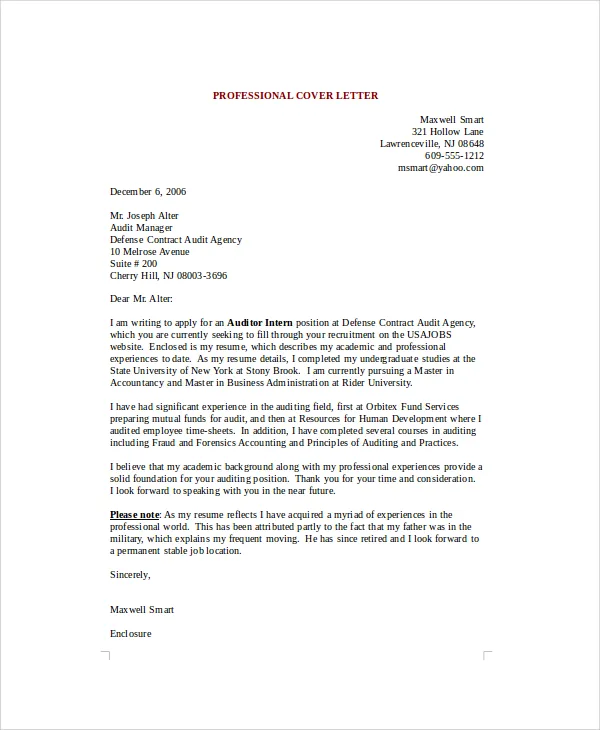
A successful cover letter typically includes the following key elements: a strong opening paragraph that grabs the reader’s attention and states your purpose, a middle section that highlights your relevant skills and experience, and a closing paragraph that reiterates your interest and includes a call to action. It is also critical to tailor your letter to the specific job description. You should also include your contact information, use a professional tone, and proofread carefully. Always use action verbs to describe your accomplishments. These key elements work together to create a compelling narrative that showcases your value and encourages the hiring manager to review your resume and consider you for an interview. A well-structured and tailored cover letter can significantly improve your chances of success.
Formatting Your Cover Letter for Readability

The format of your cover letter is crucial for readability and professionalism. Use a clear and easy-to-read font, such as Times New Roman, Arial, or Calibri, with a font size of 11 or 12 points. Maintain consistent margins of one inch on all sides. Use single spacing within paragraphs and double spacing between paragraphs. Break up large blocks of text with bullet points, headings, and subheadings to make the content more digestible. Keep your cover letter concise, ideally one page in length. A well-formatted cover letter makes it easier for the hiring manager to quickly scan the document and grasp the key points, increasing your chances of being noticed. Also make sure to maintain a professional look and feel throughout the letter.
The Opening Paragraph Grabbing Attention
The opening paragraph is your chance to make a strong first impression. Start with a hook that immediately grabs the reader’s attention. You can mention the specific role you’re applying for and how you found the job opening. Briefly state why you’re interested in the company and the role. Express your enthusiasm and highlight a key skill or accomplishment that aligns with the job requirements. For instance, you could start by mentioning a specific project or accomplishment that demonstrates your ability to deliver results, or express your admiration for a company initiative or product. The goal is to make the hiring manager want to read further. Remember to keep it brief and focused on the job and the employer’s needs.
Showcasing Your Relevant Skills
The body of your cover letter should highlight your skills and experience that are most relevant to the job. Review the job description carefully and identify the key requirements, skills, and qualifications the employer is seeking. Provide specific examples of how you have used these skills to achieve positive results in previous roles. Quantify your achievements whenever possible using numbers and data to demonstrate your impact. Use keywords from the job description to make your letter more searchable and to show the hiring manager that you understand the role. By showcasing your relevant skills and experience, you can demonstrate your ability to excel in the position and contribute to the company’s success.
Quantifying Your Achievements

Quantifying your achievements is a powerful way to demonstrate your impact in previous roles. Instead of simply stating your responsibilities, provide specific metrics that show the results you achieved. For example, instead of saying “Managed social media accounts,” you could say “Increased social media engagement by 30% within six months.” Use numbers, percentages, and data to showcase your accomplishments. This helps the hiring manager visualize your capabilities and understand the value you can bring to the company. When possible, use metrics that are relevant to the job you are applying for, demonstrating your ability to contribute to the company’s goals. Quantification adds credibility and makes your accomplishments more compelling.
Highlighting Your Passion for the Role
Expressing your passion for the role is an essential part of a compelling cover letter. Show the hiring manager that you’re genuinely interested in the opportunity and the company. Research the company’s mission, values, and recent initiatives. Explain how your skills and experience align with these elements. Share your enthusiasm for the industry or the specific work the company does. Mention any relevant experiences or projects that have fueled your interest in the field. By demonstrating your passion, you can make a strong impression and show the hiring manager that you are not just looking for a job, but a career. This can be expressed by sharing your admiration for the company’s products or services.
The Closing Paragraph Call to Action
The closing paragraph should reiterate your interest in the role and include a clear call to action. Thank the hiring manager for their time and consideration. Express your eagerness to learn more about the opportunity and reiterate your enthusiasm for the company. State that you’re available for an interview and provide your contact information. Make it easy for the hiring manager to take the next step. Proofread your cover letter for any errors before sending it. A well-written closing paragraph reinforces your message and encourages the hiring manager to contact you. You can also state how you would like to follow up, or ask questions about the position.
Proofreading and Editing Your Cover Letter

Before submitting your cover letter, carefully proofread and edit it. Check for any grammatical errors, typos, and inconsistencies. Ensure that your language is clear, concise, and professional. Read your cover letter aloud to catch any awkward phrasing. Ask a friend, family member, or career counselor to review your letter for feedback. A polished and error-free cover letter demonstrates your attention to detail and professionalism. Proofreading is an important step and this will ensure that your cover letter accurately reflects your skills and qualifications. This is a critical step as a cover letter full of errors may result in immediate rejection.
Common Mistakes to Avoid in Cover Letters
Avoid these common mistakes in your cover letter to make a strong impression. Don’t use generic templates. Tailor your letter to each specific job. Do not simply repeat your resume; instead, provide context and elaborate on your experiences. Avoid grammatical errors and typos. Use a professional tone and avoid slang or informal language. Don’t be too lengthy; keep your cover letter concise and focused. Avoid exaggerations or misleading information. Finally, don’t forget to proofread your letter. By avoiding these common mistakes, you can significantly improve your chances of success.
Using Action Verbs to Impress
Action verbs make your cover letter more dynamic and engaging. They show what you have accomplished in previous roles. Instead of using passive language, use strong action verbs to describe your skills, experiences, and accomplishments. Action verbs create a sense of energy and demonstrate your ability to take initiative and achieve results. Here is a small list: Led, managed, developed, implemented, improved, increased, reduced, achieved, created, designed, and launched. Using action verbs will make your cover letter more impactful and memorable. Incorporate this in the section where you discuss your achievements in past positions.
Dos and Don’ts of Cover Letter Writing

The Dos of cover letter writing include: customizing your letter for each job, highlighting your skills and experience, expressing your enthusiasm, and proofreading your letter. The Don’ts include: using generic templates, repeating your resume, making grammatical errors, using a casual tone, and writing too much. Remember to research the company, tailor your letter to the job description, and showcase your personality. Avoid common pitfalls, such as typos, and focus on what you can bring to the company. A well-crafted cover letter significantly increases your chances of securing an interview. By following these dos and avoiding the don’ts, you can create a compelling cover letter that grabs the hiring manager’s attention and showcases your unique value.
Cover Letter Examples and Templates
Using cover letter examples and templates can be a helpful starting point. However, don’t rely on them entirely. Use them as a guide to understand the structure and format, but always tailor the content to fit your skills, experiences, and the specific job you’re applying for. There are many online resources and websites that offer a wide range of cover letter examples and templates for different industries and roles. Choose templates that align with your industry and the type of job you are seeking. Remember to customize the template to reflect your unique skills, accomplishments, and the requirements of the job description. Avoid simply copying and pasting content; instead, use the examples as inspiration. By customizing the content you can make a strong impression.
Cover Letter Examples for Different Industries
Cover letters should be tailored for different industries to highlight the relevant skills and experiences. A cover letter for a marketing role should emphasize your communication, creativity, and analytical skills. A cover letter for a tech position should focus on your technical expertise and problem-solving abilities. A cover letter for a finance role should showcase your financial acumen and attention to detail. For the creative industries, like design and art, showcase your portfolio of work. Consider the industry and the specific role, and tailor the content to show how your skills and experience align. Use industry-specific keywords and highlight your understanding of the industry’s challenges and opportunities. This will demonstrate to the hiring manager that you have the background, knowledge, and understanding of the position that you are seeking.