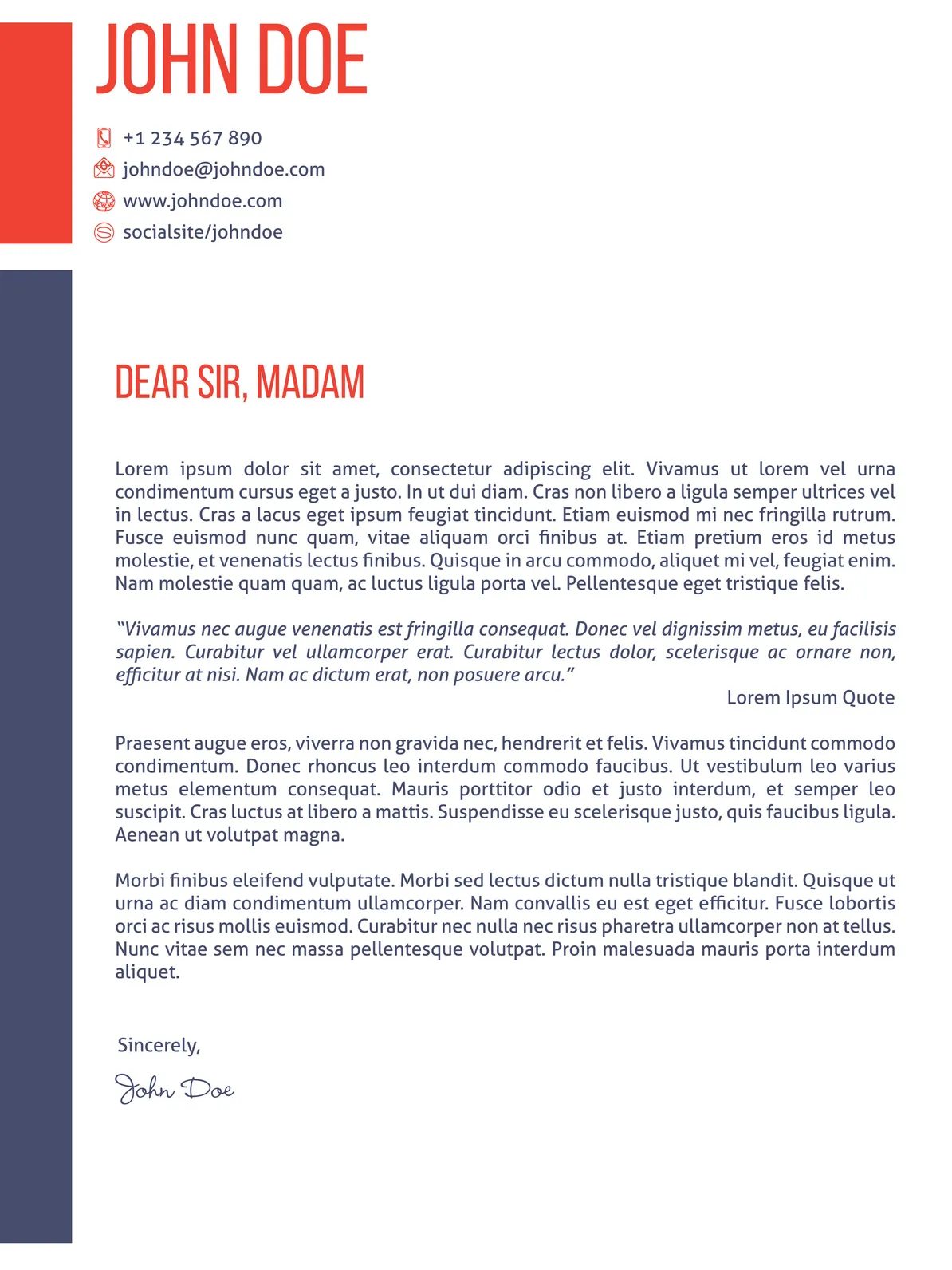
What is a Cover Letter and Why Do You Need One?
A cover letter is a crucial document that accompanies your resume when applying for a job. It serves as your initial introduction to a potential employer, offering you the opportunity to showcase your personality, skills, and enthusiasm for the role. Unlike a resume, which provides a concise summary of your qualifications, a cover letter allows you to elaborate on your experiences, explain why you’re a great fit for the specific position, and demonstrate your genuine interest in the company. A well-crafted cover letter can significantly increase your chances of getting noticed and securing an interview. It’s your chance to make a strong first impression and distinguish yourself from other applicants by going beyond the basics of your resume and making a compelling case for why you should be hired.
The Structure of a Winning Cover Letter
The structure of your cover letter is key to making a positive impact. A typical cover letter consists of several essential parts, each playing a vital role in conveying your message effectively. The standard format includes a header with your contact information and the date, followed by the hiring manager’s details. Next comes a professional greeting and an engaging introduction, immediately followed by the main body paragraphs. These paragraphs allow you to highlight your relevant skills and experiences, and to connect them directly to the job requirements. Finally, a compelling closing paragraph should reiterate your interest, include a call to action, and a professional sign-off. Each section of the cover letter should be carefully crafted to ensure a cohesive and persuasive narrative that enhances your chances of success.
Header Your Information

Your cover letter’s header is the first impression. It must include your name, contact details, and the date, mirroring the professional look of your resume. Place this at the top, left-aligned, and use a clear, legible font. Your contact information should consist of your phone number, email address, and optionally, your LinkedIn profile URL. The date should be the date you send your cover letter, positioned just below your contact details. This header ensures that the recruiter can readily contact you, and the date signifies when your application was submitted, making it an essential element for a polished and professional presentation. Consistency in formatting between your resume and cover letter helps maintain a cohesive application package.
Professional Greeting and Introduction
Start your cover letter with a professional greeting. Aim to address the hiring manager by name. If you can’t find a name, ‘Dear Hiring Manager’ or ‘Dear [Company Name] Team’ are acceptable alternatives. Your introduction should immediately grab the reader’s attention. Briefly state the position you’re applying for and how you found the opening. Within the first few sentences, highlight your most relevant skill or accomplishment that aligns with the job requirements. This initial paragraph sets the tone for the rest of your letter and encourages the reader to continue. Making a strong first impression is essential, and it’s the perfect opportunity to show enthusiasm and to express why you are a strong candidate for the role.
Body Paragraphs Showcase Your Value
The body paragraphs form the core of your cover letter, where you showcase your value and how you match the job requirements. This section should be concise, persuasive, and tailored to the specific role and company. Start by identifying the key skills and experiences the employer is looking for. Then, describe how your previous roles and accomplishments have equipped you with these skills. Provide specific examples that quantify your achievements whenever possible. For example, instead of saying “managed projects”, state “managed projects, delivering them on time and under budget 90% of the time.” Connect your skills directly to the needs of the job and show how you can contribute to the company’s success. This approach clearly demonstrates why you’re a valuable candidate.
Highlight Your Skills and Experience

When highlighting your skills and experience, focus on the most relevant aspects that align with the job description. Begin by carefully reviewing the job posting and identifying the key requirements. Then, create a list of your skills and experiences that directly match those requirements. Structure your paragraphs to highlight these skills, providing specific examples of how you’ve utilized them in past roles. Instead of simply listing your responsibilities, describe the impact of your actions and the results you achieved. For example, if the job requires project management skills, describe how you successfully managed projects, improved efficiency, or saved costs in your previous position. Always use action verbs to describe your contributions and quantify your achievements whenever possible to demonstrate your value to the potential employer.
Tailor to the Job
Customizing your cover letter for each job application is crucial. Generic cover letters often fail to make a strong impression. Before writing, carefully review the job description and the company’s website. Research the company’s values, mission, and recent activities to understand their needs and what they are looking for in a candidate. Then, tailor your cover letter to address the specific requirements and demonstrate how your skills align with their needs. Use keywords from the job description and provide examples that reflect the company’s culture and goals. This shows that you’ve taken the time to understand the role and are genuinely interested in the company. It sets your application apart from the rest.
Quantify Your Achievements
To make your cover letter more impactful, quantify your achievements whenever possible. Instead of making vague statements about your skills, use numbers and data to demonstrate your accomplishments. For example, if you improved sales, mention the percentage increase or the total revenue generated. If you managed projects, include the number of projects, the budget size, and any savings or efficiencies you achieved. Quantitative results provide concrete evidence of your abilities and show the value you can bring to the company. By backing up your claims with facts and figures, you make your cover letter more credible and show potential employers the real impact of your work.
Call to Action Request an Interview

Conclude your cover letter with a strong call to action. Reiterate your interest in the position and the company, and clearly state your desire to move forward in the hiring process. Express your availability for an interview and make it easy for the hiring manager to contact you. Include your phone number and email address again, if you wish, for convenience. Thank the reader for their time and consideration. A well-crafted call to action shows your enthusiasm and ensures that the hiring manager knows you are eager to proceed. This will increase your chances of getting invited to an interview.
Closing Your Cover Letter
Close your cover letter professionally. Use a formal closing such as ‘Sincerely,’ ‘Best regards,’ or ‘Thank you,’ followed by your full name. Ensure your contact information is readily available, either in your header or at the end of your letter. Before sending, carefully review the entire cover letter and your resume for any grammatical errors, spelling mistakes, or formatting inconsistencies. This shows your attention to detail and commitment to excellence. A well-written cover letter and resume are key components in your job search, and this will leave a lasting, positive impression.
Proofreading and Formatting
Proofreading and formatting are essential final steps. Proofread your cover letter multiple times to catch any spelling or grammatical errors. Consider asking a friend or mentor to review it as well; a fresh pair of eyes can often spot mistakes you might miss. Ensure your cover letter has a clean and professional format. Use a readable font, such as Arial or Times New Roman, and maintain consistent formatting throughout the document. Avoid using excessive bolding, italics, or underlining. Check the spacing between lines, paragraphs, and sections. A well-formatted and error-free cover letter enhances your credibility and professionalism, showing the hiring manager that you care about presenting yourself in the best possible light and possess attention to detail.
Cover Letter Examples

Refer to cover letter examples to guide your writing. Many online resources provide samples tailored to various industries and job types. These examples can help you understand the typical structure, tone, and language used in cover letters. While using examples, avoid directly copying the content. Instead, use them as inspiration to customize your own letter to match your unique skills and experiences. Pay attention to how the examples highlight relevant skills, quantify achievements, and tailor the message to the specific job. Adapt and personalize the examples to reflect your professional background and the requirements of the specific position you’re applying for.
Crafting a compelling cover letter is a crucial step in any job search. By following these guidelines, you can create a cover letter that effectively showcases your qualifications, skills, and enthusiasm, thus increasing your chances of landing an interview and ultimately securing your dream job. Remember to tailor your cover letter to each specific job and company, proofread carefully, and present yourself in the best possible way. Good luck!