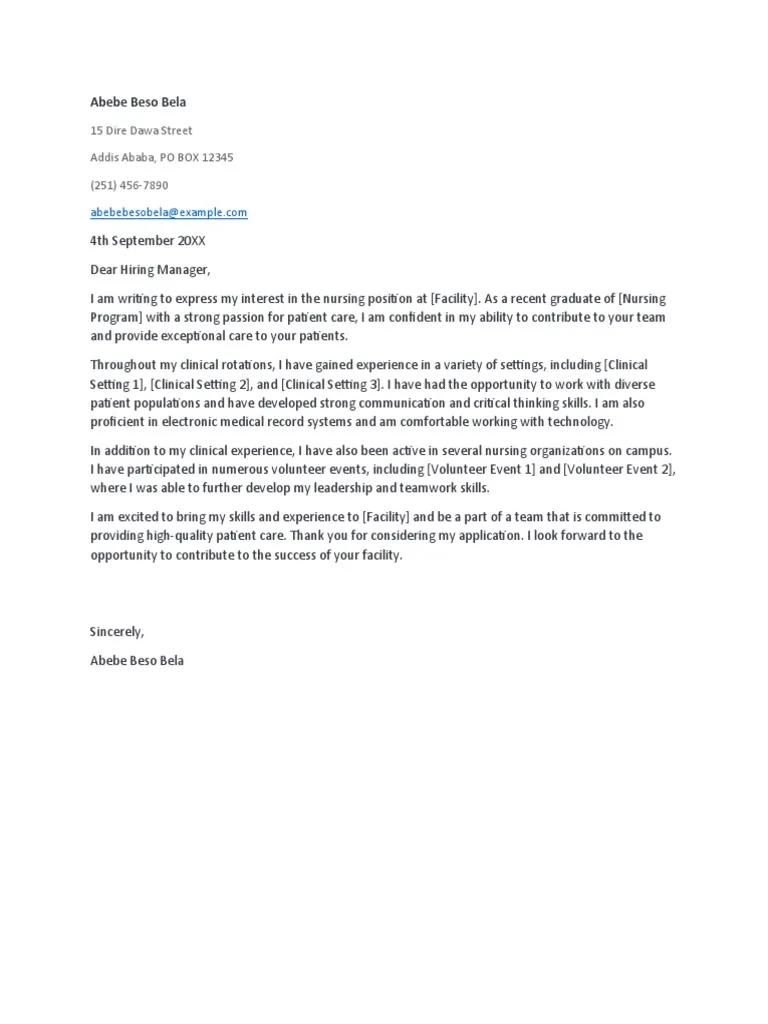
What is a Cover Letter?
A cover letter is a crucial document that accompanies your curriculum vitae (CV) or resume when applying for a job. It serves as an introduction, allowing you to showcase your personality, express your interest in the specific role, and highlight how your skills and experience align with the job requirements. Unlike your CV, which provides a factual summary of your qualifications, the cover letter gives you the opportunity to tell your story and make a compelling case for why you are the perfect candidate. A well-crafted cover letter can significantly increase your chances of getting noticed by recruiters and securing an interview. This document is the first impression you make beyond your resume, and it should reflect your professionalism, writing ability, and enthusiasm for the opportunity.
Why Is a Cover Letter Important?
The importance of a cover letter cannot be overstated. It provides context to your CV, helping the hiring manager understand how your skills and experience relate to the specific job opening. It allows you to demonstrate your communication skills and writing abilities, which are essential in almost any professional setting. Moreover, a cover letter enables you to personalize your application and express your genuine interest in the company and the role. It’s an opportunity to show that you’ve researched the company, understand their needs, and are excited about contributing to their goals. In a competitive job market, a well-written cover letter can be the deciding factor that sets you apart from other applicants. It signals to the employer that you are serious about the position and have taken the time to make a tailored application.
Key Components of a Cover Letter

A cover letter typically consists of several key components that work together to create a compelling narrative. These components include your contact information, the date, the recipient’s details, a captivating opening paragraph, a section highlighting your relevant skills and experience, a section demonstrating your enthusiasm, and a professional closing. Each section plays a critical role in presenting you as a strong candidate. A clear structure, tailored content, and a persuasive tone are crucial for effectively conveying your qualifications and making a positive impression on the hiring manager.
Your Contact Information
At the top of your cover letter, include your contact information: your full name, phone number, email address, and possibly your LinkedIn profile URL. This ensures that the recruiter can easily reach you if they want to schedule an interview. Ensure your email address is professional; avoid using nicknames or unprofessional language. Your contact information should be clearly visible and easy to find.
Date and Recipient Details
Below your contact information, include the date you are writing the cover letter. Then, address the hiring manager or the specific person mentioned in the job posting, if available. If a specific name isn’t provided, use a general greeting like “Dear Hiring Manager” or “Dear [Company Name] Team.” Researching the company’s website or LinkedIn profiles can help you find the appropriate name to personalize your letter. Addressing the recipient by name shows you’ve taken the time to learn about the company and the role.
The Opening Paragraph

Your opening paragraph is your chance to grab the reader’s attention. State the specific position you are applying for and where you saw the job posting. Express your enthusiasm for the role and the company. Briefly mention why you’re a strong candidate and what unique value you bring. This first paragraph should make the hiring manager want to read the rest of your letter and learn more about you.
Grab Their Attention
Instead of a generic introduction, start with something that demonstrates your understanding of the company or the role. Consider mentioning a specific project, achievement, or skill that directly aligns with the job requirements. You can also show your understanding of the company’s mission or values, which shows your alignment with their culture. Making your opening paragraph unique and attention-grabbing will immediately set you apart from other applicants. This demonstrates that you have researched the company and understand their needs.
Highlight Your Skills and Experience
In the body of your cover letter, highlight the skills and experiences that are most relevant to the job description. Use specific examples to illustrate your capabilities and achievements. This is where you show how your qualifications align with the job requirements. Mention specific projects, tasks, or accomplishments that demonstrate your ability to perform the job successfully. Quantify your achievements whenever possible to make a more persuasive case.
Tailor to the Job Description

Customize your cover letter for each job application. Carefully read the job description and identify the key requirements and skills. Then, tailor your cover letter to address these specific requirements. Explain how your skills and experiences align with the needs of the role. This demonstrates that you understand the company’s needs and are a good fit for the position. Generic cover letters often get rejected, so it is vital to customize each one for the specific role and company.
Quantify Your Achievements
Whenever possible, quantify your achievements with numbers and data. Instead of saying “Managed social media,” say “Increased social media engagement by 30% in six months.” This provides concrete evidence of your capabilities and makes your accomplishments more impactful. Use metrics, percentages, or specific results to illustrate your successes. Numbers and data make your claims more credible and show the value you brought to previous roles.
Showcase Your Enthusiasm
Express your enthusiasm for the role and the company. Show your interest in the company’s mission, values, or recent projects. Explain why you are excited about this opportunity. Demonstrating enthusiasm makes you appear more personable and shows the hiring manager that you are genuinely interested in the position. Your passion can be a key factor in setting you apart from other applicants.
Formatting and Presentation

Your cover letter should be well-formatted and easy to read. Use a professional font, such as Times New Roman, Arial, or Calibri, with a font size between 10 and 12 points. Use single-spacing with a space between paragraphs. Ensure proper margins and alignment. A clean and well-organized cover letter shows attention to detail and professionalism.
Use Professional Language
Maintain a professional tone throughout your cover letter. Avoid slang, informal language, and clichés. Use clear and concise language to convey your ideas effectively. Proofread your letter carefully for any grammatical errors or typos. The way you write speaks volumes about your communication and attention to detail skills, so it is best to maintain professional language.
Keep it Concise and Focused
Keep your cover letter concise and focused. Aim for a length of one page, unless otherwise specified. Highlight the most relevant skills and experiences, and avoid repeating information from your CV. A cover letter should complement your CV, not duplicate it. Focus on what makes you the ideal candidate and avoid extraneous details.
Proofread for Errors

Proofread your cover letter carefully for any errors in grammar, spelling, and punctuation. Mistakes can create a negative impression and undermine your credibility. Use a spell checker and grammar checker, but also read the letter aloud to catch any errors. Have someone else review your cover letter for a second opinion. A polished cover letter demonstrates professionalism and attention to detail.
How to Write a CV
A Curriculum Vitae (CV), often referred to as a resume, is a detailed document outlining your professional and academic history. It serves as a comprehensive overview of your qualifications, skills, and experiences. Your CV is your primary marketing tool in the job application process, so it should be meticulously crafted to highlight your strengths and achievements. A well-structured CV is essential for making a positive first impression and securing an interview.
The Importance of a Strong CV
A strong CV is your first opportunity to impress a potential employer. It should concisely present your qualifications, experiences, and skills, making it easy for the hiring manager to quickly assess whether you meet the job requirements. A well-crafted CV demonstrates your professionalism, attention to detail, and ability to communicate your value. It acts as a summary of your career, providing the key details to help the employer understand your qualifications. A strong CV significantly increases your chances of being selected for an interview.
CV Formatting and Structure

Your CV should be well-formatted and easy to read. Use a clear and consistent structure with headings and subheadings to organize your information. Choose a professional font and use a consistent font size throughout the document. Maintain a clean layout with sufficient white space. The formatting and structure of your CV should make it easy for the reader to quickly scan and identify key information. A well-formatted CV shows attention to detail.
Contact Information and Summary
At the top of your CV, include your contact information: full name, phone number, email address, and possibly a LinkedIn profile URL or professional website. A concise professional summary or objective statement should follow, highlighting your career goals and key skills. This section should provide a quick overview of your qualifications and what you offer. Your contact information ensures that the recruiter can easily reach you, and the summary provides a snapshot of your qualifications.
Work Experience
List your work experience in reverse chronological order, starting with your most recent position. For each role, include the job title, company name, dates of employment, and a brief description of your responsibilities and achievements. Use action verbs to describe your accomplishments and quantify your results whenever possible. Focus on the responsibilities and achievements most relevant to the job you are applying for. Highlighting accomplishments helps showcase your value to potential employers.
Education
Include your educational background, listing your degrees, certifications, and any relevant coursework. Include the name of the institution, dates of attendance, and any honors or awards received. If you have advanced degrees, you may place this section before your work experience. If you have a degree, it’s generally unnecessary to include your high school information. Emphasize any relevant coursework or specializations that align with the job requirements.
Skills Section
Create a skills section to list your technical skills, soft skills, and any other relevant abilities. Categorize your skills for easy readability. Tailor this section to match the job description, including the skills and abilities the employer is seeking. This helps the recruiter easily identify your relevant skills and assess your suitability for the role. Include both hard and soft skills to provide a well-rounded view of your capabilities.
Adding Relevant Sections
Consider adding other sections to highlight your qualifications. These sections can include publications, projects, volunteer experience, or professional memberships. This extra information adds depth to your CV and showcases your well-roundedness and commitment. Including relevant sections can help you stand out from other candidates and provide further evidence of your skills and experiences.
Awards, Achievements, and Certifications
If you have received any awards, achievements, or certifications relevant to the job, include them in a separate section. This demonstrates your achievements and adds credibility to your application. List the name of the award or certification, the organization that granted it, and the date received. Highlighting these achievements provides evidence of your expertise and your commitment to professional development.
References
You can include a section for references or simply state “References available upon request.” If you choose to include references, provide the name, job title, company, and contact information for each reference. Ensure you have contacted your references beforehand and they are prepared to speak positively about your qualifications. Providing references demonstrates that you have professional relationships and are willing to have your skills and experiences verified.
Linking Cover Letter and CV
Your cover letter and CV should work together to present a cohesive and compelling case for your candidacy. Both documents must complement each other. The cover letter should introduce you, express your interest in the position, and highlight your most relevant skills and experiences. The CV should provide a detailed summary of your qualifications and work history. Together, they offer a comprehensive picture of your qualifications.
Emphasize Relevant Skills
In your cover letter, specifically mention the skills and experiences that are most relevant to the job description. Then, provide more detail about those same skills and experiences in your CV. Make it easy for the hiring manager to see the direct correlation between your qualifications and the job requirements. Tailor both documents to match the specific needs of the role, emphasizing how your skills and experiences align with the requirements.
Use Similar Language
Use similar language and keywords in your cover letter and CV. Review the job description carefully and identify the key terms and phrases used by the employer. Use those same terms in your cover letter and CV to show that you meet the required qualifications. Ensure you are consistent in the terminology used and your descriptions reflect the job requirements. Consistency between these two documents helps hiring managers quickly assess your suitability.
Follow Up
After submitting your cover letter and CV, it’s important to follow up with the hiring manager or recruiter. This demonstrates your continued interest in the position and ensures that your application has been received. When and how you follow up can impact your chances of landing an interview. Following up properly can increase your visibility and demonstrate your engagement.
When and How to Follow Up
Send a follow-up email approximately one to two weeks after submitting your application. Keep the email brief and professional. Reiterate your interest in the role and mention a specific skill or experience that makes you a good fit. Thank the hiring manager for their time and consideration, and express your willingness to provide any additional information. Tailor the follow-up email for each application, and ensure it is error-free. A well-crafted follow-up email shows your interest in the role and helps you stay top of mind.
Conclusion and Next Steps
Writing a compelling cover letter and CV is essential for a successful job search. Remember to tailor your cover letter to each job application, highlight your relevant skills and experiences, and express your enthusiasm. Ensure your CV is well-formatted, easy to read, and accurately reflects your qualifications. Following up after submitting your application demonstrates your continued interest in the role. By following these tips, you can significantly increase your chances of landing your dream job. Take the time to write thoughtful and well-crafted cover letters, and your job search will be much more successful.