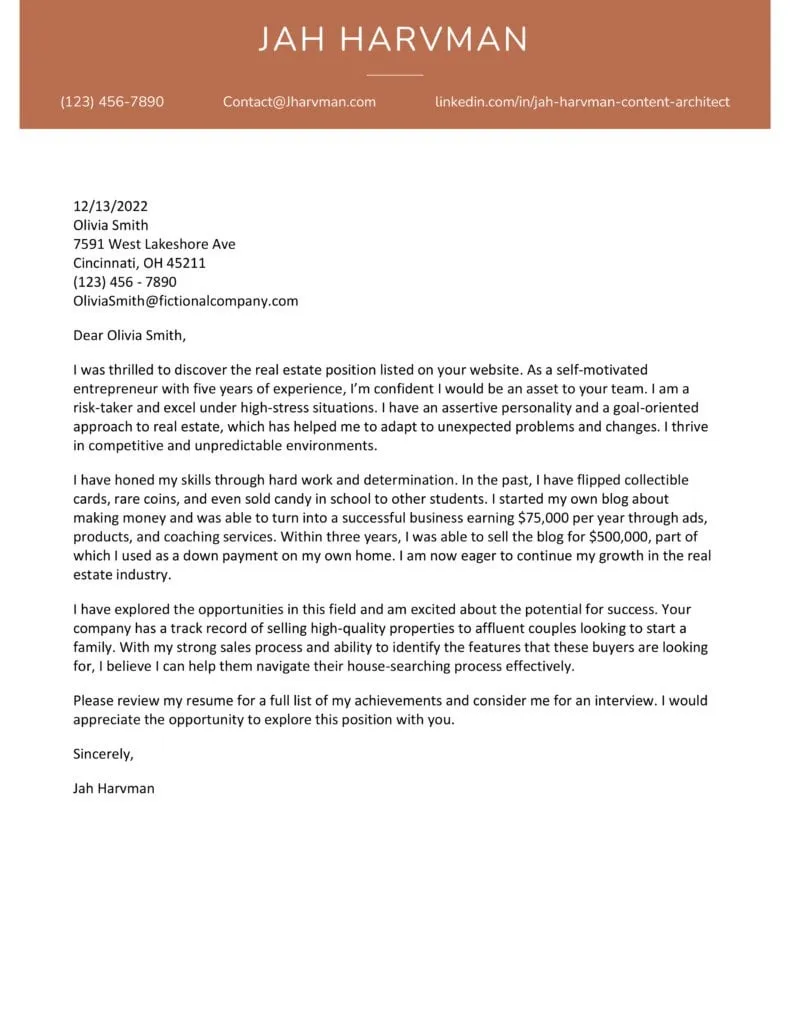
What is a Cover Letter?
A cover letter is a crucial document that accompanies your resume when applying for a job. It serves as your introduction to the hiring manager, providing a concise overview of your skills, experience, and why you are a suitable candidate for the position. Unlike a resume, which presents a factual account of your qualifications, a cover letter allows you to express your personality, demonstrate your enthusiasm for the role, and explain how your specific skills align with the job requirements. It’s your opportunity to make a strong first impression and persuade the employer to read your resume and consider you for an interview. Think of it as your personal sales pitch, highlighting the unique value you bring to the table and differentiating you from other applicants. A well-crafted cover letter can significantly increase your chances of getting noticed and landing an interview.
The Importance of a Cover Letter
In today’s competitive job market, a cover letter is more than just a formality; it’s a vital tool that can significantly impact your job application’s success. It provides an opportunity to showcase your communication skills, demonstrate your understanding of the job requirements, and express your genuine interest in the company and the role. While your resume lists your qualifications, your cover letter explains why you are the right fit. It allows you to highlight relevant experiences, elaborate on your accomplishments, and connect your skills to the specific needs of the employer. A compelling cover letter can capture the hiring manager’s attention, build rapport, and increase the likelihood of your application being reviewed thoroughly. Ignoring the cover letter or sending a generic one can be a missed opportunity, potentially leading your application to be overlooked. It allows you to show your enthusiasm and provide a glimpse into your personality, setting you apart from candidates who only submit a resume.
How to Write a Cover Letter [7 Tips]

Writing an effective cover letter requires careful planning and execution. Here are seven key tips to guide you in crafting a compelling cover letter that will impress hiring managers. By following these guidelines, you can significantly increase your chances of getting noticed and securing an interview. The goal is to make your letter stand out and provide the employer with a clear picture of why you are the ideal candidate for the job. Remember, each cover letter should be customized for the specific position you are applying for. A well-written cover letter is a crucial step towards landing your dream job, so take the time to create a document that truly represents your capabilities and aspirations. Let’s dive into how to create a winning cover letter!
Tailor Your Cover Letter
One of the most common mistakes is sending a generic cover letter. Each cover letter should be tailored to the specific job and company you’re applying to. Start by carefully reviewing the job description and identifying the key skills, experiences, and qualifications the employer is seeking. Then, tailor your cover letter to directly address these requirements. Highlight relevant experiences and accomplishments that demonstrate your ability to meet the needs of the role. Show the hiring manager that you understand the company’s values, mission, and goals. This can be achieved by researching the company and incorporating specific information into your letter. Personalize your letter by using the hiring manager’s name, if possible, and referencing specific aspects of the job description. Taking the time to tailor your cover letter shows that you are genuinely interested in the opportunity and have taken the initiative to understand the role and the company.
Research the Company
Before you start writing your cover letter, invest time in researching the company. Visit their website, read about their mission and values, and explore their recent news and projects. Understanding the company’s culture and objectives allows you to demonstrate your interest and tailor your cover letter to their specific needs. Mention specific projects or initiatives the company is involved in, and explain how your skills and experience align with their goals. Show that you have taken the initiative to learn about the company and that you are genuinely interested in joining their team. This level of detail sets you apart from applicants who send generic applications. Researching the company also helps you identify the hiring manager’s name, which is an excellent way to personalize your letter and make a positive impression. Showing this extra effort can increase your chances of getting noticed and securing an interview.
Highlight Relevant Skills and Experience

Your cover letter should spotlight the skills and experiences that are most relevant to the job you’re applying for. Carefully analyze the job description to identify the key requirements and then highlight the instances where you have successfully utilized those skills. Provide specific examples of how you have demonstrated those skills in the past. Use action verbs to describe your achievements and responsibilities. Instead of simply listing your skills, show how you’ve applied them to achieve positive outcomes. For instance, if the job requires project management skills, describe a project where you successfully managed a team, met deadlines, and delivered results. By providing concrete examples, you make a more compelling case for your qualifications. Remember, it’s not enough to say you possess a skill; you must demonstrate it. This approach will convince the hiring manager that you have the experience and expertise needed to excel in the role.
Quantify Your Achievements
Whenever possible, quantify your achievements to demonstrate the impact you’ve made in previous roles. Use numbers, percentages, and specific data to illustrate your accomplishments. For example, instead of saying “Improved customer satisfaction,” you could say “Increased customer satisfaction by 15% through implementing a new feedback system.” Quantifying your achievements provides concrete evidence of your abilities and makes a stronger case for your candidacy. It shows the hiring manager the value you can bring to the company. Think about the outcomes you achieved in your previous roles: did you increase sales, reduce costs, improve efficiency, or boost customer retention? Use these metrics to highlight your successes and provide a clear picture of your impact. This approach adds credibility and demonstrates that you can deliver results. By using quantifiable data, you make your cover letter more persuasive and memorable.
Proofread and Edit
Before you submit your cover letter, proofread and edit it carefully. Errors in grammar, spelling, and punctuation can undermine your credibility and give the impression that you lack attention to detail. Read your cover letter multiple times, looking for any mistakes. Consider asking a friend or family member to proofread it as well, as a fresh pair of eyes can often catch errors you might miss. Ensure that your cover letter flows logically, and the language is clear and concise. Avoid jargon and overly complex sentences. The goal is to create a polished and professional document that reflects your professionalism. A well-proofread cover letter demonstrates your attention to detail, making a positive impression on the hiring manager. Taking the time to proofread and edit ensures that your cover letter is error-free, enhancing your chances of success.
Follow Up

After submitting your cover letter and resume, it’s a good practice to follow up with the hiring manager. Send a brief, polite email a week or two after the application deadline to express your continued interest in the position. Reiterate your enthusiasm for the role and the company, and thank the hiring manager for their time. Keep the email concise and professional, and avoid being overly persistent. A follow-up email demonstrates your proactive approach and your genuine interest in the opportunity. It reminds the hiring manager of your application and gives you another chance to highlight your qualifications. It’s a simple gesture that can leave a lasting impression. Make sure to tailor your follow-up email to the specific job and company. Including a link to your online portfolio or a relevant project can also be a good addition to your follow-up message. Remember that following up is a way to showcase your persistence, but be careful not to be overly persistent.
Cover Letter Mistakes to Avoid
Several common mistakes can undermine the effectiveness of your cover letter. One of the biggest pitfalls is sending a generic cover letter that isn’t tailored to the specific job or company. Another mistake is focusing on what you want rather than what you can offer the employer. Don’t simply state your career goals; instead, highlight your skills and experiences that align with the job requirements. Other errors include grammatical and spelling mistakes, using overly formal or informal language, and rambling on without a clear focus. Avoid clichés and generic phrases that don’t provide any real information about your qualifications. Also, do not repeat your resume verbatim; instead, use the cover letter to elaborate on your accomplishments and provide context. Finally, neglecting to proofread your cover letter is a critical mistake. By avoiding these common pitfalls, you can create a cover letter that makes a positive impression and significantly increases your chances of getting noticed.
Conclusion
Writing an excellent cover letter is a critical step in the job application process. By following the tips outlined in this guide, you can craft a compelling cover letter that showcases your skills, experience, and enthusiasm for the role. Remember to tailor your letter to each job, highlight your achievements, and proofread carefully. A well-written cover letter can significantly increase your chances of landing an interview and ultimately securing your dream job. Take the time to invest in this crucial document and make a lasting impression on potential employers. Good luck with your job search!