Understanding the Importance of a Cover Letter
In today’s competitive job market, a well-written cover letter is your initial opportunity to make a strong impression. It serves as more than just a formality; it is your chance to present yourself as the ideal candidate for the position. Many job seekers underestimate the importance of a cover letter, treating it as an afterthought. However, a compelling cover letter can significantly increase your chances of securing an interview. It allows you to personalize your application, highlight your skills and experiences, and show your genuine enthusiasm for the company and the role. A cover letter gives you the platform to articulate your story, delve into your qualifications, and illustrate how you can contribute to the organization’s success. By carefully constructing your cover letter, you’re demonstrating professionalism, meticulous attention to detail, and a proactive approach to your job search. It is your chance to shine.
Why a Cover Letter Matters in the Job Search
A cover letter surpasses the facts presented in your resume. It provides a unique chance to connect with the hiring manager on a more personal level. While your resume presents a snapshot of your qualifications, a cover letter allows you to explain your specific interest in the role and company. It allows you to display your enthusiasm, personality, and how your values are in alignment with the company’s culture. A well-crafted cover letter can set you apart from other applicants, particularly if you have gaps in your employment history or are looking to transition careers. It helps you address any potential concerns the hiring manager may have and allows you to emphasize your transferable skills. Furthermore, it allows you to highlight your strong writing and communication skills, which are crucial for many professional roles. In a world where first impressions matter, a compelling cover letter could be the key to unlocking your next career opportunity, proving your value and commitment.
Key Elements of a Cover Letter

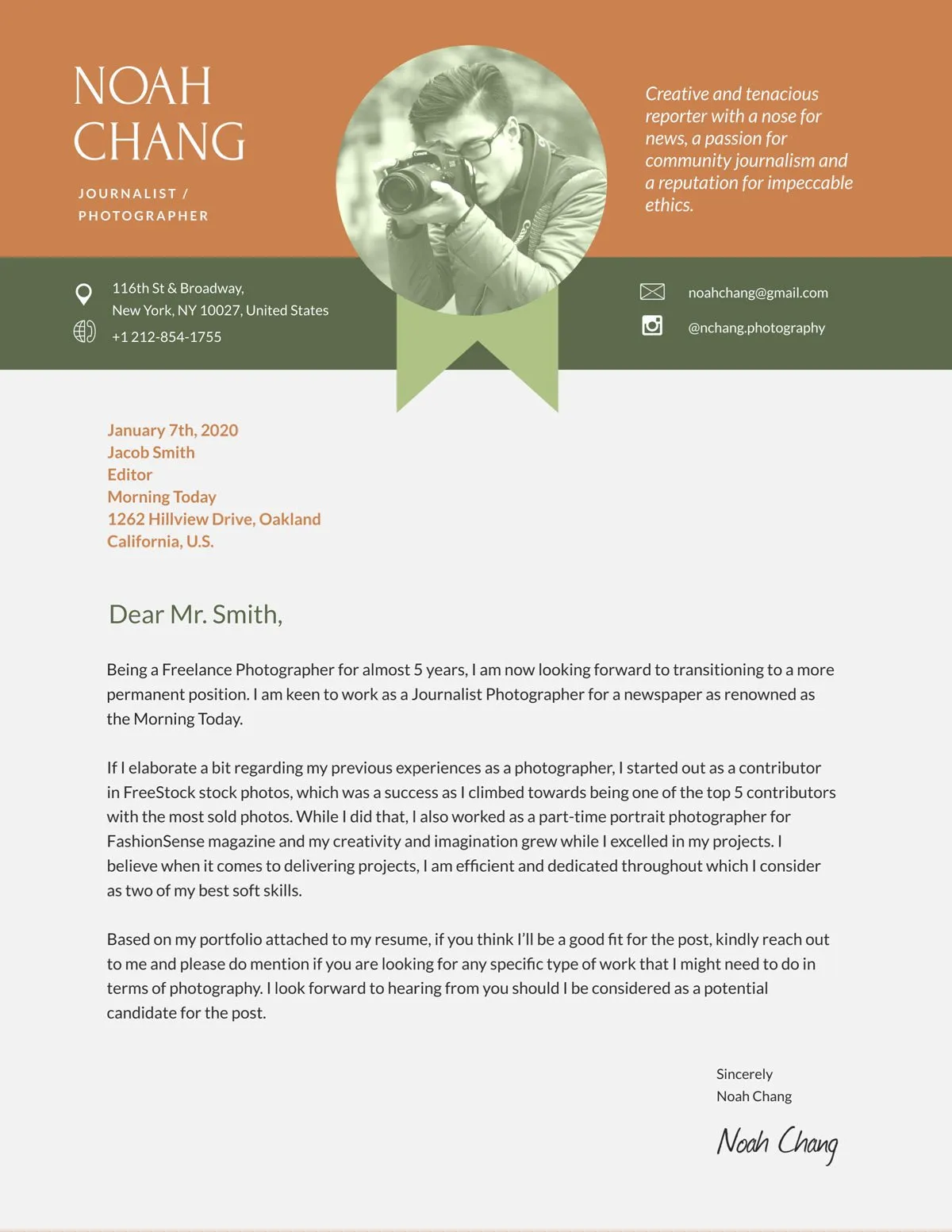
A successful cover letter must encompass several essential elements to effectively communicate your qualifications and excitement. Begin with a professional header that includes your contact information: your full name, phone number, email address, and, optionally, your LinkedIn profile URL. Address the letter to the hiring manager by name when possible. Research the company and find the correct contact person. The opening paragraph needs to immediately capture the reader’s attention with a compelling hook, clearly stating the position you’re applying for and expressing your genuine interest in the company. The body paragraphs are where you showcase your relevant skills and experience, providing specific examples and quantifiable achievements. Tailor your letter to the job description, highlighting how your qualifications align with the requirements. The closing paragraph should reiterate your interest, summarize your key strengths, and include a clear call to action. Maintain a professional tone and meticulously proofread for errors before submitting your application. A cover letter created with these elements is one that will stand out.
Header and Contact Information
The header of your cover letter serves as the first point of contact and must contain accurate and up-to-date information. Start by including your full name, ensuring it is clearly displayed and easy to read. Underneath your name, include your phone number, preferably a number where you can be easily reached. Provide your professional email address, choosing one that sounds professional. If you have a LinkedIn profile, include the URL, as it allows hiring managers to quickly access more information about your professional background. This simple act can make you stand out. Verify that the information is correct, consistent with your resume, and easy to find. Proper header formatting shows your attention to detail and professionalism, setting a positive tone. Make sure your contact details are easily visible to allow potential employers to reach out.
The Opening Paragraph Hooking the Reader
The opening paragraph is a critical element, so it needs to grab the hiring manager’s attention and encourage them to continue reading. Avoid generic openings; instead, craft a compelling hook that directly addresses the job and the company. State the specific position you’re applying for and where you found the job posting. Briefly explain why you are interested in the company and the opportunity. A strong opening paragraph demonstrates your research and enthusiasm. Consider mentioning something specific that attracted you to the role or the company culture. Use action verbs and positive language to convey excitement and professionalism. A well-crafted opening is your chance to make a great first impression and distinguish yourself from other applicants. A well crafted opening paragraph is key to making a lasting first impression.
Body Paragraphs Showcasing Your Skills

The body paragraphs are where you offer specific examples that demonstrate your skills and qualifications, which are essential for getting the job. Focus on the key requirements outlined in the job description and emphasize how your experience and skills align with them. Use the STAR method (Situation, Task, Action, Result) to describe your accomplishments: providing context, explaining your responsibilities, detailing your actions, and emphasizing positive outcomes. Quantify your achievements whenever possible using numbers and data to illustrate the impact you’ve made. For example, instead of saying, “Managed projects,” you could say, “Managed three projects simultaneously, delivering them on time and under budget.” Tailor your examples to resonate with the company’s specific needs, demonstrating your understanding of their goals. By providing clear and concise examples, you offer concrete evidence of your capabilities and increase your chances of getting hired. Let the hiring manager know your capabilities.
Highlighting Relevant Experience
When highlighting your experience, concentrate on the achievements and skills most pertinent to the job. The goal is to make your skills shine. Carefully review the job description, identifying the key requirements and qualifications that the employer is seeking. Then, select the experiences and accomplishments from your background that directly address those requirements. Provide specific examples of how you have successfully used these skills in the past. Use action verbs to describe what you did and what you accomplished. Quantify your achievements with data and numbers to show the impact you made. For example, “Increased sales by 15% in one quarter.” Focus on showcasing the results you delivered and how your contributions helped the company succeed. This enables the hiring manager to understand the value you can bring to their organization. By highlighting relevant experience effectively, you significantly enhance your prospects of securing an interview and increase your chances of landing the job.
Quantifying Achievements and Results
Quantifying your achievements is a powerful strategy for making your cover letter more impactful and persuasive. Instead of making general statements about your skills and experience, use numbers and data to showcase your accomplishments. For example, instead of stating, “Managed social media campaigns,” you could write, “Managed social media campaigns, increasing follower engagement by 40%.” If you improved customer satisfaction, you might state, “Improved customer satisfaction scores by 25% through proactive service.” Include percentages, numbers, and specific metrics to demonstrate your impact and value. This objective evidence not only makes your claims more credible but also offers a clearer understanding of your contributions. Quantifiable results stand out and make it easier for the hiring manager to understand the tangible benefits you can bring to their organization. It shows your potential.
Tailoring Your Letter to the Job Description

Customizing your cover letter to align with the specific job description is crucial for demonstrating your interest and suitability for the role. Generic cover letters that are not tailored to the job are easily recognized and typically discarded. Begin by carefully reviewing the job posting, identifying the key skills, requirements, and responsibilities the employer is seeking. Then, tailor your cover letter to reflect these specific needs. Highlight the experiences and achievements from your background that are aligned with the requirements. Use keywords and phrases from the job description throughout your letter. Demonstrate to the hiring manager that you grasp the job’s requirements and how your qualifications make you an ideal candidate. Tailoring your letter shows that you’ve done your research and are genuinely interested in the opportunity. Remember that each job is unique, and customizing your cover letter is one of the most effective ways to increase your chances of being hired. It shows you care.
The Closing Paragraph Making a Strong Impression
The closing paragraph must leave a powerful and lasting impression. Reiterate your interest in the position and the company, and summarize your key qualifications and strengths. Express enthusiasm and confidence without being overly assertive. Include a call to action, encouraging the hiring manager to contact you for an interview. For example, you could state, “I am eager to discuss how my skills and experience can benefit your team. I am available for an interview at your earliest convenience.” Always express gratitude to the hiring manager for their time and consideration. A professional and well-crafted closing paragraph solidifies your candidacy, reinforces your value, and encourages the hiring manager to proceed to the next step. Ending your cover letter on a positive and proactive note enhances your prospects of securing an interview and getting hired.
Call to Action Expressing Your Interest
Including a clear call to action in your cover letter is vital to advance the application process. A call to action informs the hiring manager of the desired next step. Express your eagerness to discuss the opportunity and how your skills can contribute to the company’s success. Indicate your availability for an interview and provide your contact information if it hasn’t been provided. If possible, state that you will follow up by a specific date or time, which can show your initiative and enthusiasm. By including a clear and actionable request, you simplify the response process for the hiring manager, increasing your chances of getting an interview. It is a way of expressing your interest and commitment to the role.
Proofreading and Formatting

Prior to submitting your cover letter, meticulous proofreading and formatting are essential to ensure your application presents the best possible impression. Begin by thoroughly proofreading your letter for grammatical errors, typos, and punctuation mistakes. Run a spell-check and grammar check, but don’t rely solely on automated tools. Also, read your letter aloud to identify any awkward phrasing or inconsistencies. Ensure that your contact information is accurate and up-to-date. Review the layout and formatting to ensure it is consistent and easy to read. Use a professional font, such as Arial or Times New Roman, and maintain consistent font sizes. Ensure there is ample white space and proper spacing between paragraphs. A well-formatted and error-free cover letter shows your attention to detail and professionalism, showcasing that you are a great candidate. It’s the final check before submitting.
Common Cover Letter Mistakes to Avoid
Several mistakes can considerably diminish the effectiveness of your cover letter and hinder your job search. Avoid generic and uninspired openings. Instead, personalize each letter to the specific job and company. Do not simply reiterate your resume. Use the cover letter to elaborate on your accomplishments and experiences. Refrain from employing jargon, slang, or excessively casual language. Ensure your cover letter is well-written and free of grammatical errors. Avoid making your cover letter overly long, as employers may not read lengthy documents. Also, steer clear of negativity. Refrain from criticizing past employers or jobs, or making negative statements. Lastly, make sure to tailor your letter to the job description. By avoiding these common pitfalls, you can make a positive impression and improve your chances of getting an interview.
Using the Right Tone and Language
The tone and language of your cover letter should be professional, positive, and aligned with the job and the company. Use formal and respectful language, avoiding slang, jargon, or overly casual expressions. Adopt an enthusiastic and confident tone, expressing your interest and excitement about the opportunity. Use active voice and action verbs to showcase your achievements and skills. Tailor your language to match the company culture by researching their mission and values. Highlight how your qualifications align with their specific needs. Ensure your thoughts are clearly and concisely communicated with easy-to-understand language. Proofread the document to ensure it flows well and is error-free. A well-written and professionally worded cover letter indicates that you are a strong candidate and are more likely to get the interview and then the job. It should show how qualified you are, and why they should choose you.