Why Cover Letters Matter for High School Students
In the competitive world of job applications, a well-crafted cover letter can significantly boost a high school student’s chances of landing an interview or securing a position. While resumes provide a snapshot of your qualifications, a cover letter allows you to showcase your personality, enthusiasm, and relevant skills in a more personalized way. It’s your opportunity to make a strong first impression and demonstrate why you’re the perfect fit for the job or opportunity. Many high school students underestimate the importance of a cover letter, viewing it as optional; however, a compelling letter can set you apart from other applicants, especially when experience is limited. This document is your voice, allowing you to articulate your potential and demonstrate your genuine interest in the role.
Benefits of a Great Cover Letter
A well-written cover letter offers several key advantages. First and foremost, it allows you to provide context to your resume. You can explain gaps in your experience, highlight specific skills, and demonstrate how your qualifications align with the job requirements. It shows your personality and communication skills, giving the employer a glimpse into who you are as a person. It’s a way to convey your enthusiasm for the position and the company, showing that you have taken the time to learn about the opportunity. Furthermore, a strong cover letter can emphasize your soft skills, such as communication, teamwork, and problem-solving abilities, which are highly valued by employers even for entry-level positions. It can also provide a platform to address any potential concerns an employer might have about your application, such as a lack of prior work experience.
For high school students, crafting a cover letter is also an excellent opportunity to improve writing abilities. A great cover letter can transform a good application into a great application.
Highlighting Skills and Experience

Even with limited experience, high school students possess valuable skills and experiences that are relevant to potential employers. Your cover letter is the perfect place to highlight these qualities. Think about transferable skills you’ve gained through school projects, extracurricular activities, volunteer work, or even part-time jobs. These might include communication, teamwork, leadership, problem-solving, time management, and organizational skills. Provide specific examples of how you’ve demonstrated these skills in different contexts. For instance, if you were a team leader in a school project, describe how you delegated tasks, motivated team members, and successfully completed the project. If you volunteered at a local charity, explain the responsibilities you held and the impact you made. Focus on quantifiable results whenever possible. Even if your experience is limited, showcasing your skills effectively can make your application stand out.
Cover Letter Structure for High Schoolers
A well-structured cover letter is easy to read and makes a positive impression. The standard format for a cover letter includes the following key components: header and contact information, salutation, opening paragraph, body paragraphs, closing paragraph, and a call to action. Adhering to this structure helps you organize your thoughts and present your information in a clear and concise manner. Remember, the goal is to make it easy for the reader to understand who you are, what you’re capable of, and why you’re the right fit for the job or opportunity. Each section plays a specific role in conveying your message, and careful attention to detail is essential for success.
Header & Contact Information
At the top of your cover letter, include your full name, address, phone number, and email address. Ensure your email address is professional and appropriate. You may also include the date and the employer’s name, title, and company address if you know it. Using a professional font such as Times New Roman, Arial, or Calibri in size 11 or 12 is recommended. The header is your first point of contact, so accuracy and professionalism are key. Double-check all information to avoid errors that could prevent the employer from contacting you.
Salutation

The salutation is your greeting to the hiring manager or the person to whom you are addressing the letter. If you know the name of the hiring manager, use it. A personalized salutation, such as “Dear Mr. Smith,” demonstrates that you have taken the time to research the opportunity. If you are unable to find a specific name, use a professional alternative, such as “Dear Hiring Manager” or “Dear [Company Name] Team.” Avoid generic greetings like “To Whom It May Concern,” as this can make your application feel impersonal. Proper salutations show your attention to detail and can make a positive initial impression.
Opening Paragraph
Your opening paragraph is your chance to grab the reader’s attention. State the specific position or opportunity you are applying for and how you learned about it. Briefly explain why you are interested in the role and the company. Show enthusiasm and highlight a relevant skill or accomplishment. Be concise and engaging. Avoid generic introductions. Instead, tailor your opening to the specific job. For example, instead of “I am writing to apply for the position of…”, you can say “I am writing to express my enthusiastic interest in the [Position Name] position, as advertised on [Platform].” A strong opening sets the tone for the rest of your letter and encourages the reader to continue reading.
Body Paragraphs Showcasing Skills
The body paragraphs are the core of your cover letter, where you showcase your skills, experience, and qualifications. Each paragraph should focus on a specific point, providing evidence and examples to support your claims. This is where you can elaborate on the skills and experiences mentioned in your resume and demonstrate their relevance to the job. Use the STAR method (Situation, Task, Action, Result) to structure your examples effectively. The STAR method helps you explain a situation, the task you were faced with, the actions you took to address it, and the results you achieved. This demonstrates your abilities and provides concrete evidence of your capabilities. Focus on your strengths and accomplishments that align with the job requirements. Make sure to tailor each body paragraph to the specific job and company. Highlight how your skills will benefit the company.
Highlighting Relevant Coursework

If your coursework is relevant to the job, mention it in your cover letter. This is especially important if you have limited work experience. Describe any projects, assignments, or skills you gained in your classes that relate to the job requirements. For example, if you are applying for a marketing internship and have taken a marketing class, you can mention any marketing projects you’ve worked on, any marketing principles you have learned, and how these would be helpful for the role. Highlighting specific skills or knowledge gained through your coursework demonstrates your preparation and understanding of the industry. If you are applying for a role that requires technical skills, mention any relevant computer science courses you have taken.
Demonstrating Volunteer Experience
Volunteer experience is a valuable asset for high school students, demonstrating your willingness to contribute and your commitment to a cause. When describing your volunteer experiences, focus on the responsibilities you held, the tasks you performed, and the impact you made. For instance, you can explain how your volunteer work at a local food bank involved organizing and distributing food supplies, interacting with clients, and managing inventory. Quantify your achievements when possible. Mentioning the number of hours you volunteered or the number of people you helped will further strengthen your claims. Show the skills you gained, such as communication, teamwork, and problem-solving. If your volunteer experience aligns with the job requirements, highlight the relevant skills.
Showcasing Extracurricular Activities
Extracurricular activities are an excellent way to demonstrate your skills, interests, and personality. When describing your extracurricular activities, emphasize the skills and experiences you gained. Mention your role, responsibilities, and any accomplishments. Show how your involvement has helped you develop essential skills, such as teamwork, leadership, communication, and time management. Explain how your participation has benefited the team or organization. For example, if you were the captain of a sports team, describe your leadership skills, how you motivated your team, and the team’s achievements during your tenure. These activities show that you are well-rounded, engaged, and committed.
Closing Paragraph & Call to Action

In your closing paragraph, summarize your key qualifications and reiterate your enthusiasm for the position. Express your gratitude for the reader’s time and consideration. End with a clear call to action. This could be a request for an interview or a statement that you are eager to discuss your qualifications further. Provide your contact information and indicate your availability. A strong closing paragraph is a crucial part of your cover letter, and leaves the reader with a lasting positive impression. It also indicates the next step you want them to take. Be confident and express your genuine interest in the opportunity. For example, “Thank you for your time and consideration. I am eager to discuss how my skills and experience can benefit your team. I am available for an interview at your earliest convenience.”.
Formatting and Proofreading
Formatting and proofreading are critical to ensuring your cover letter is professional and polished. Poor formatting, typos, and grammatical errors can undermine your credibility and negatively impact your application. Remember to pay close attention to detail and always proofread your cover letter carefully before submitting it. This shows you are meticulous and can be trusted with important tasks. The little things matter.
Font Selection and Readability
Choose a professional and easy-to-read font such as Times New Roman, Arial, or Calibri in size 11 or 12. The font you choose should be simple and readable. Avoid using unusual fonts or fonts that are too small or too large. Use a consistent font throughout your cover letter to maintain a professional look. Make sure your cover letter is formatted with clear margins and spacing. This improves readability and makes your letter more visually appealing. Using adequate spacing between paragraphs and sections makes it easier for the reader to digest the information.
Grammar, Spelling, and Tone

Pay close attention to grammar, spelling, and tone. Proofread your cover letter carefully for any errors. Use a formal and professional tone. Avoid slang, jargon, and overly casual language. Make sure your writing is clear, concise, and grammatically correct. Use a grammar checker to identify potential errors, but don’t rely on it completely. Be sure to have someone else review your cover letter before submitting it. A fresh pair of eyes can catch errors that you may have missed. Proofreading is a critical step.
Proofreading Checklist
Create a proofreading checklist to ensure that you have addressed all the essential aspects of your cover letter. Review your cover letter multiple times. Check for spelling mistakes, grammatical errors, and punctuation issues. Make sure your formatting is consistent and professional. Confirm your contact information is accurate. Verify the date and recipient details. Check that your letter is tailored to the specific job or opportunity. Ensure that your tone is professional and engaging. Ensure that you have included a call to action. If possible, ask a teacher, parent, or career counselor to proofread your cover letter. This step helps to ensure that your cover letter is free of errors.
Tailoring Your Cover Letter
Tailoring your cover letter to each specific job or opportunity is essential. A generic cover letter that is sent to multiple employers will not make a strong impression. By customizing your cover letter, you demonstrate your genuine interest in the position and the company, showing that you have taken the time to learn about their needs and how your skills align. Personalization shows you’re serious about the opportunity. This effort shows you are a good fit.
Researching the Opportunity

Before writing your cover letter, research the company and the specific job or opportunity. Understand the company’s mission, values, and culture. Read the job description carefully, paying attention to the required skills, experience, and qualifications. Identify how your skills and experiences align with the job requirements. Visit the company’s website, social media pages, and online reviews to learn more about the organization. This research allows you to tailor your cover letter to the specific needs of the company. By demonstrating your knowledge of the company, you will enhance your application.
Matching Skills to Requirements
Carefully review the job description and identify the key skills and qualifications the employer is seeking. In your cover letter, highlight your relevant skills and experiences that match these requirements. Provide specific examples that demonstrate how you have used these skills in the past. For instance, if the job description mentions the need for strong communication skills, provide examples of situations where you effectively communicated with others. Tailor your letter to the job requirements. Use keywords from the job description in your cover letter. This shows the employer that you have the skills they are looking for.
Using Keywords Effectively
Use keywords from the job description throughout your cover letter. This helps your application get noticed by applicant tracking systems (ATS), which scan resumes and cover letters for relevant keywords. Keywords are terms or phrases that the employer uses to describe the job requirements. Incorporate these keywords naturally and strategically. Avoid keyword stuffing, which can make your cover letter sound unnatural and detract from your overall message. By using relevant keywords, you will increase the chances of your cover letter getting read and reviewed by the hiring manager.
Common Mistakes to Avoid
Avoiding common mistakes can significantly increase your chances of success. Be aware of these common pitfalls and take steps to avoid them. A well-crafted cover letter is essential for making a positive first impression.
Generic Cover Letters
Avoid sending generic cover letters that are not tailored to the specific job or company. Generic cover letters do not demonstrate your genuine interest in the position, and they make it clear that you have not taken the time to research the opportunity. Tailor your cover letter to each job application. Use the job description to identify key skills and requirements. Show you understand the company by researching its mission, values, and culture. Personalize the letter to make it stand out from the crowd.
Typos and Grammatical Errors
Typos and grammatical errors can damage your credibility and make you appear unprofessional. Proofread your cover letter carefully, and use a grammar checker to identify potential errors. Ask a friend, teacher, or family member to review your cover letter for errors before submitting it. Make sure that you are using a professional tone and that your writing is clear, concise, and easy to understand. Even a small error can create a negative impression.
Unprofessional Tone
Maintain a professional tone in your cover letter. Avoid slang, jargon, and overly casual language. Be respectful and polite throughout your letter. Remember that your cover letter is a formal document. Avoid using emojis or informal abbreviations. Your tone should be confident, enthusiastic, and professional. Use a formal salutation and closing. Ensure that your writing reflects your professionalism.
Examples of Excellent Cover Letters
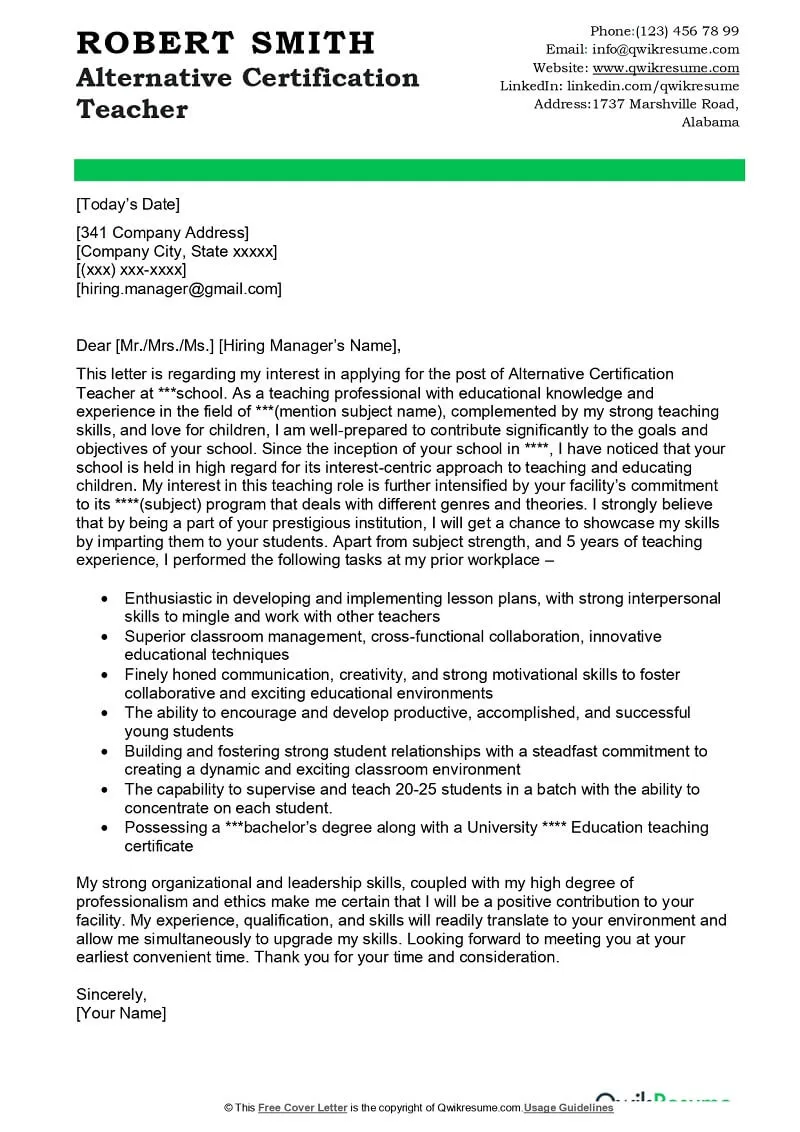
Reviewing examples of excellent cover letters can help you understand the best practices and format. Use these examples as a guide, but be sure to tailor your cover letter to your own unique skills, experiences, and the specific job requirements. Look for cover letters that highlight relevant skills and experiences, showcase your enthusiasm for the position, and demonstrate your understanding of the company and its needs. These cover letters will provide guidance and insight.
By following these guidelines and avoiding common mistakes, high school students can write amazing cover letters that impress employers. A well-crafted cover letter is a powerful tool that can significantly improve your chances of landing an interview or securing a job. Remember to showcase your unique skills and experiences, tailor your letter to each job application, and always proofread carefully. Good luck with your job search!