Why a Cover Letter Matters for Internal Positions
While internal applications may seem less formal, a cover letter remains crucial for making a strong impression and securing your desired role. It’s your opportunity to go beyond your resume and tell a compelling story, showcasing your suitability for the position and your commitment to the company. For internal positions, a well-crafted cover letter demonstrates your understanding of the company culture, your aspirations for growth, and your enthusiasm for the opportunity. It allows you to articulate how your existing skills and experience directly align with the new role’s requirements, and how you can contribute to the team’s success. Ignoring this step is a missed chance to shine. It is a great opportunity to sell yourself to get the job.
Highlighting Internal Experience
Your internal experience is a valuable asset, providing a unique advantage over external candidates. In your cover letter, clearly articulate your current role and responsibilities, emphasizing experiences that align with the new position. Showcase your understanding of company processes, internal relationships, and any projects that have given you relevant expertise. Highlight projects or initiatives where you collaborated with the department you’re applying to. Focus on the impact of your work and how your contributions have benefited the organization. This will make you appear as a great candidate that can add value to the department.
Quantifying Achievements

Numbers speak volumes. Instead of simply listing your duties, use quantifiable achievements to demonstrate your impact. Use metrics and data to showcase your accomplishments, such as the percentage increase in sales you contributed to, the number of projects successfully completed, or the efficiency improvements you implemented. For example, rather than saying ‘Managed social media,’ you could write ‘Increased social media engagement by 30% in six months, resulting in a 15% rise in lead generation.’ Providing these quantifiable results makes your claims credible and provides a solid understanding of the value you can bring to the role.
Tailoring to the New Role
Generic cover letters are easily dismissed. Customize your letter for each internal position by thoroughly reviewing the job description. Identify the key skills, qualifications, and experiences the hiring manager is seeking, and align your letter with those requirements. Refer to the specific projects, responsibilities, and challenges mentioned in the job posting, and explain how your background uniquely positions you to excel in the role. Show your clear understanding of the new role and how your skills and experience can contribute to the department’s objectives.
Understanding the Internal Application Process
The internal application process often differs from external hiring. Knowing the steps involved can give you an edge. Familiarize yourself with the company’s internal job posting system, understand the timeline for applications, and identify who to contact if you have questions. Understanding the hierarchy and the decision-making process within the department is also very important. You may need to submit your cover letter and resume through a specific portal or email address, or you might be required to discuss your application with your current supervisor. Make sure you follow all instructions very carefully to show you’re organized and pay attention to detail.
Researching the Target Department

Conduct thorough research on the department you’re applying to. Visit their website, read recent publications, and review their internal communications to understand their current goals, challenges, and successes. Identify key personnel and, if possible, seek insights from colleagues who have worked with the department. Knowing the department’s current projects, future initiatives, and their overall contributions to the company demonstrates that you’re committed and interested. Use this information to tailor your cover letter, showing that you understand the department’s needs and how you can contribute to their objectives.
Identifying Key Requirements
Carefully analyze the job description to pinpoint the specific skills, qualifications, and experiences the company is seeking. Create a list of key requirements, and then structure your cover letter around them. In each paragraph, specifically address how your skills align with these requirements, providing concrete examples from your current or past roles. Address each requirement one by one. Show how you have successfully used these skills in the past. Ensure that your letter directly addresses the job description, as this demonstrates your understanding of the role’s needs and your ability to meet them.
Showcasing Cultural Fit
Demonstrate how well your values and work style align with the company’s culture and the values of the target department. You might know the company’s values. You might need to also learn about the department’s values. Share anecdotes that illustrate your teamwork skills, communication style, and ability to adapt to change. Show that you are interested in the values of the department. Highlighting your understanding of the company culture and your enthusiasm for being a team player will showcase your suitability for the role. This will help you make a strong impression that goes beyond your skills and qualifications.
Structuring Your Internal Cover Letter

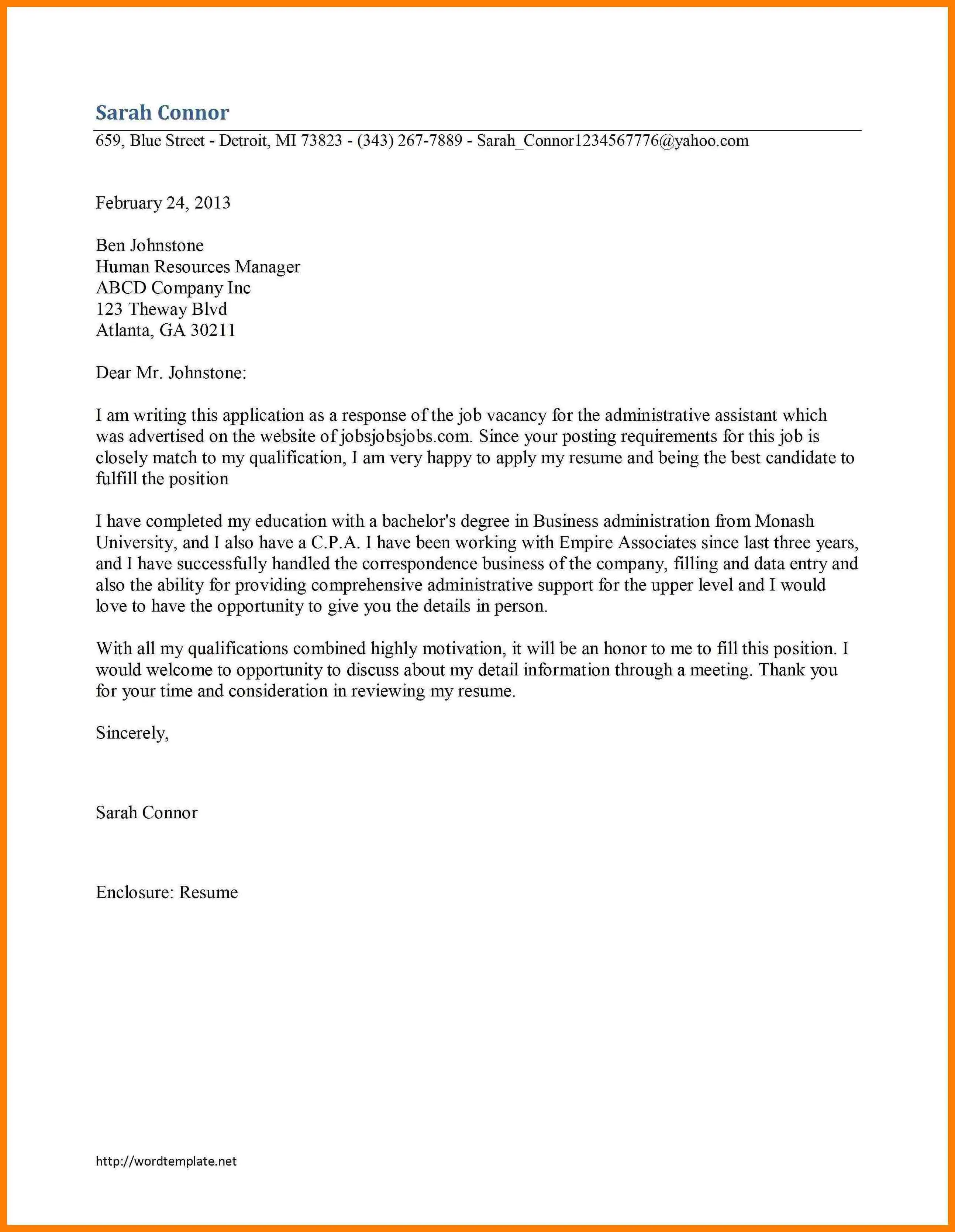
A well-structured cover letter is easy to read and allows the hiring manager to quickly understand your qualifications and enthusiasm. Begin with a professional header that includes your contact information, the date, and the hiring manager’s name (if known). This will enable the reader to instantly find out who you are. Follow with a personalized salutation. Then, structure the body of your letter into clear paragraphs, with an opening, several body paragraphs, and a closing. Ensure your formatting is clean, with ample white space, and that the document is easy to scan and read. A clear structure helps you to maintain your professionalism.
Header and Salutation
Start with a professional header that includes your name, address, phone number, and email. Below this, include the date and the hiring manager’s name and title (if known), or the department. Use a formal salutation. For instance, use ‘Dear Mr. / Ms. [Last Name],’ if you know the hiring manager’s name. If not, use a general salutation, such as ‘Dear Hiring Manager’ or ‘Dear [Department Name] Team’. Ensure the salutation is professional and appropriate. Personalization is very important. You can show interest, respect, and professionalism from the start.
Opening Paragraph
The opening paragraph should immediately grab the reader’s attention and establish your interest in the position. State the position you are applying for and where you saw the job posting. Briefly summarize why you are excited about the role and the opportunity. Indicate that you understand the job responsibilities. Clearly state your intention to apply and your enthusiasm. This will make the reader see your interest in a quick glance, which is important. The opening is the first impression, so make it count.
Body Paragraphs

The body paragraphs are where you showcase your qualifications, skills, and experiences. Tailor each paragraph to address specific requirements of the job description. Provide concrete examples from your past roles. Use the STAR method (Situation, Task, Action, Result) to structure your examples, making them compelling and easy to understand. Quantify your accomplishments to show the value you brought. Illustrate how your skills align with the needs of the target department. Show the reader that you are a good fit.
Closing and Call to Action
The closing paragraph should reiterate your interest and enthusiasm for the role. Summarize your key qualifications. Express your appreciation for the reader’s time and consideration. Include a clear call to action, such as ‘I look forward to discussing my application further in an interview.’ Provide your contact information one more time. End your cover letter with a professional closing, such as ‘Sincerely’ or ‘Best regards,’ followed by your name. Always show gratitude.
Proofreading and Editing
Before submitting your cover letter, always proofread it carefully. Look for any grammatical errors, spelling mistakes, and typos. Ensure your sentences are clear and concise, and that your writing flows smoothly. Read your letter aloud to catch any awkward phrasing or areas where the language could be improved. Have a colleague or mentor review your cover letter for feedback. A polished cover letter demonstrates your attention to detail and commitment to excellence.
Writing a cover letter for an internal position is an opportunity to advance your career. By following these steps, you can highlight your skills, demonstrate your value, and increase your chances of getting hired. A well-crafted cover letter can set you apart. It can make a strong impression on the hiring manager. Use these tips to craft a cover letter that will help you get the job.