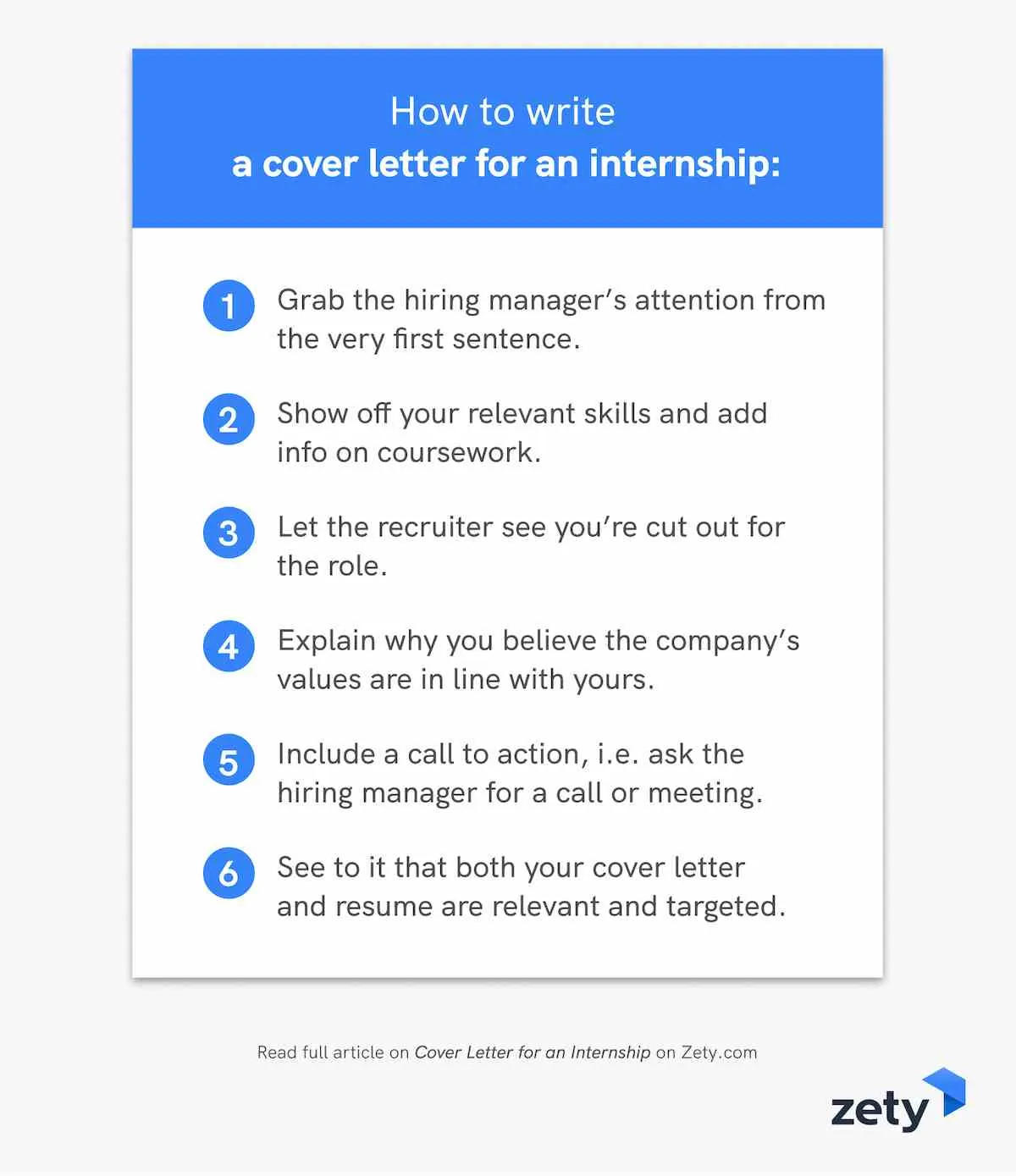
Understanding the Importance of an Internship Cover Letter
An internship cover letter is more than just a formality, it’s your first real opportunity to make a strong impression on a potential employer. It serves as your introduction and a chance to showcase why you’re the ideal candidate for the internship. Unlike a resume, a cover letter allows you to express your personality, demonstrate your understanding of the role, and highlight your specific skills and experiences in a way that resonates with the hiring manager. A well-crafted cover letter can significantly increase your chances of securing an interview and ultimately landing the internship. It provides context to your resume, telling a story about your career aspirations and how this internship aligns with your goals. Neglecting this crucial document can mean missing out on opportunities, as employers use it to assess your communication skills, attention to detail, and enthusiasm for the position. A compelling cover letter will help you stand out from the competition and signal your genuine interest in the internship.
Key Components of an Internship Cover Letter
A well-structured cover letter is vital for making a positive first impression. Each section plays a specific role in conveying your qualifications and interest. These components work together to form a cohesive and compelling narrative that captures the reader’s attention and encourages them to learn more about you. A missing or poorly constructed section can weaken your application, so paying close attention to each part is crucial for success. From the header to the closing, every detail contributes to the overall impact of your cover letter.
Header Section

The header is the first thing a hiring manager sees, and it’s crucial to get it right. It sets the tone for professionalism and attention to detail. This section includes your contact information, the date, and the recipient’s information. Ensuring accuracy in this section demonstrates your organizational skills and respect for the application process. A clean and organized header conveys that you take your application seriously and pay close attention to the details, which can significantly impact the first impression. Make sure all information is correctly formatted and easily readable.
Your Contact Information
Include your full name, phone number, email address, and optionally, your LinkedIn profile URL. Make sure your email address is professional. Choose a format that is easily readable and accessible. Double-check all details for accuracy before sending your cover letter to avoid any inconvenience. This information allows the employer to easily contact you for an interview. Ensure that all contact details are up-to-date and functional.
Date
Place the date directly below your contact information. This should be the date you are submitting your application. Use a standard date format to be clear and concise. Correctly dating your cover letter shows that your application is current and shows your attentiveness to detail.
Recipient’s Information

If possible, address the cover letter to a specific person. Research the company’s website or use LinkedIn to find the hiring manager’s name or the contact person. If you cannot find a name, use a professional title, such as ‘Hiring Manager.’ This shows that you’ve done your research and adds a personal touch to the application. Addressing the letter by name also demonstrates a higher level of interest in the role.
Salutation
Begin your cover letter with a formal greeting. ‘Dear Mr./Ms./Mx. [Last Name]’ is the standard format if you know the recipient’s name. If you don’t know the name, use ‘Dear Hiring Manager’ or a similar professional greeting. Avoid overly casual greetings. The salutation sets the tone for the rest of your letter. Use a professional tone from the beginning.
Body Paragraphs
The body paragraphs are the core of your cover letter. They should concisely highlight your qualifications, experiences, and enthusiasm for the internship. Keep each paragraph focused and easy to read. These paragraphs provide a clear understanding of who you are as a candidate. Organize the paragraphs logically and ensure a smooth flow of information.
First Paragraph Introduce Yourself

Clearly state the position you’re applying for and where you found the opportunity. Mention your current academic status or recent graduation. Briefly describe your reason for applying and your primary area of interest. This paragraph should immediately grab the reader’s attention and highlight your enthusiasm for the specific internship.
Second Paragraph Highlight Skills and Experiences
Detail your relevant skills, experiences, and accomplishments that match the internship’s requirements. Use specific examples from your coursework, projects, or previous experiences to demonstrate your abilities. Quantify your accomplishments whenever possible by using data and metrics. Focus on the qualifications that best align with the internship’s needs. This is your chance to show how your skills and experiences make you the right fit.
Third Paragraph Express Enthusiasm
Express your enthusiasm for the company and the internship role. Explain why you’re interested in the company and what you hope to gain from the experience. Demonstrate your understanding of the company’s mission, values, or recent projects. Show how this internship aligns with your career goals and academic interests. Highlight specific aspects of the internship that excite you. Be genuine and passionate.
Closing Paragraphs

The closing paragraphs should include a call to action and a formal closing. These paragraphs leave a final, lasting impression and encourage the reader to take the next step in the hiring process. Keep it brief and professional. It’s the final opportunity to reiterate your interest and gratitude.
Call to Action
Reiterate your interest in the internship and state your availability for an interview. Thank the reader for their time and consideration. Be clear about how you can be reached. Express your excitement about discussing your qualifications further.
Formal Closing
Use a professional closing, such as ‘Sincerely,’ ‘Best regards,’ or ‘Thank you.’ Sign your name if you are submitting a printed cover letter, or type your name if submitting it electronically. Ensure your closing is consistent with the overall tone of your letter. Maintain a professional and respectful demeanor throughout.
Proofreading and Formatting Your Cover Letter

Proofreading and formatting are critical steps in ensuring your cover letter makes a positive impression. These elements demonstrate your attention to detail and professionalism. Carefully review your document to identify any errors or inconsistencies. A polished cover letter shows that you take your application seriously and that you are willing to put in the effort to present yourself well. Neglecting these steps can significantly impact how your application is received.
Formatting Tips
Use a clean, readable font such as Times New Roman, Arial, or Calibri, with a font size between 11 and 12 points. Maintain consistent formatting throughout the document. Use one-inch margins on all sides. Ensure your cover letter is easy to read and visually appealing. The document should look organized and well-structured. This enhances readability and professionalism.
Proofreading Checklist
Thoroughly proofread your cover letter for any grammatical errors, spelling mistakes, or punctuation errors. Check the letter for any typos or inconsistencies. Review your sentences for clarity and coherence. Ask a friend, family member, or career counselor to review your cover letter. This is crucial for catching errors you might have missed. Ensure there are no factual inaccuracies or misleading information. Verify all contact details. Proofread the letter multiple times.
Tailoring Your Cover Letter to Each Internship

Customizing your cover letter for each internship is vital. Generic cover letters are easy to spot and can harm your chances of getting an interview. Tailoring shows your genuine interest in the specific position and demonstrates that you’ve done your research. This personalization makes your application more compelling and memorable. Take the time to demonstrate that you are invested in the opportunity and understand the requirements.
Researching the Company
Research the company’s mission, values, recent projects, and industry standing. Visit their website, read recent news articles, and explore their social media profiles. Understanding the company helps you tailor your letter and demonstrate your genuine interest. Identify what the company is looking for in an intern. Incorporate this knowledge into your cover letter to show that you align with their values and goals.
Matching Skills to Requirements
Carefully review the internship description and identify the key skills and qualifications they are seeking. Highlight your relevant skills and experiences, using specific examples to show how you meet their requirements. Focus on the skills and experiences that are most relevant to the internship. Customize your cover letter to address the specific needs and expectations outlined in the job description. Demonstrate how your skills and experiences align with the requirements.
Showcasing Your Personality
While maintaining professionalism, let your personality shine through. Use a tone that reflects your enthusiasm and genuine interest in the internship. Add a personal touch to help the hiring manager see you as more than just a list of qualifications. Demonstrate your passion for the field and your eagerness to learn and contribute. Authenticity can make your cover letter more memorable and help you stand out from other applicants.