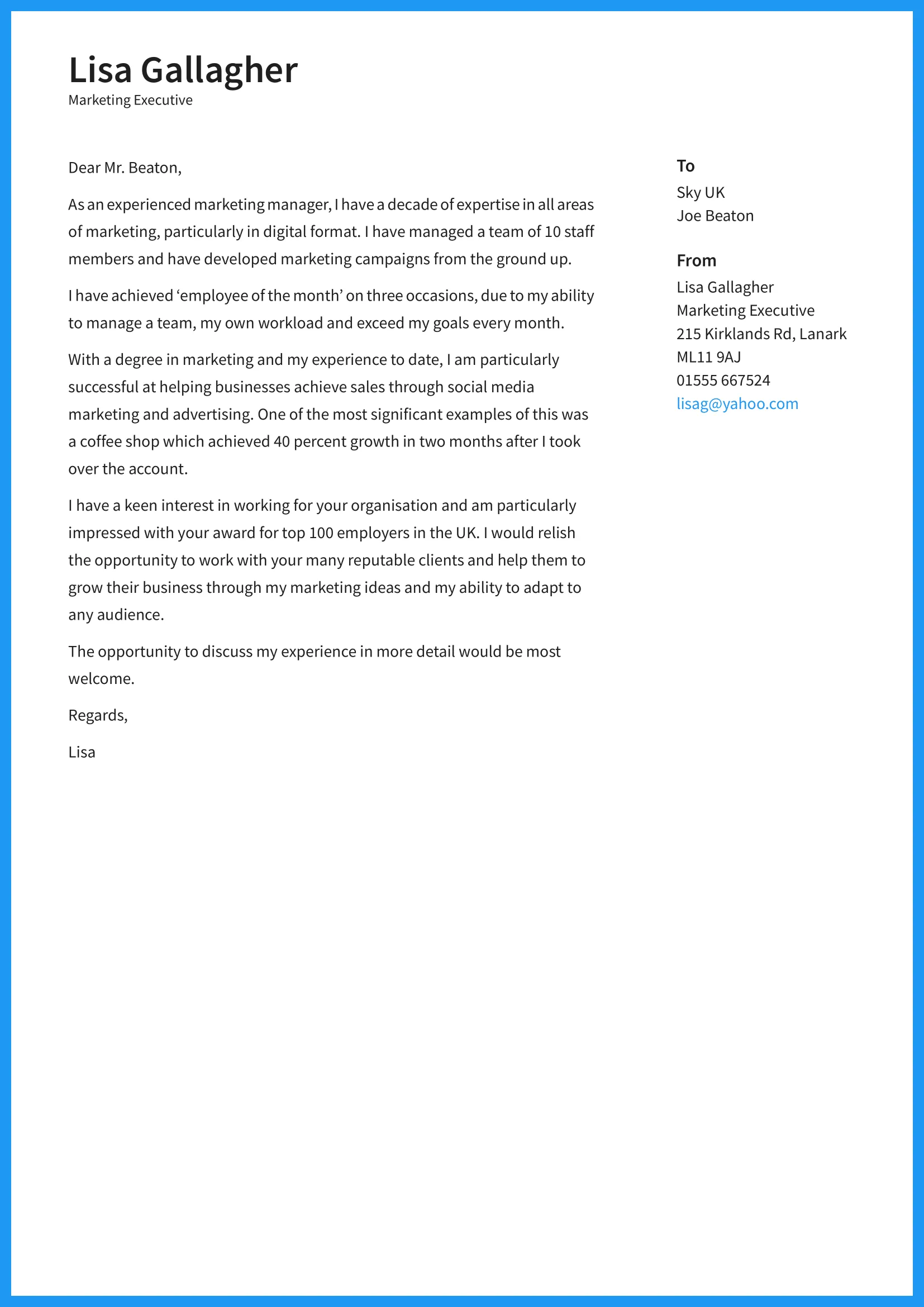
Why a Marketing Job Cover Letter Matters
In the competitive world of marketing, a well-crafted cover letter can be the key that unlocks your dream job. It’s more than just a formality; it’s your first introduction to a potential employer, a chance to make a lasting impression before they even glance at your resume. Think of it as your personal marketing campaign, designed to sell the most valuable asset you possess: yourself. This document allows you to go beyond the bullet points of your resume, providing context, demonstrating your personality, and showcasing why you’re the perfect fit for the role and the company. A compelling cover letter captures the hiring manager’s attention, making them eager to learn more about you and your qualifications, thus significantly increasing your chances of landing an interview. Ignoring this crucial step could mean missing out on opportunities.
Highlighting Your Marketing Skills
Your cover letter is the perfect platform to showcase your specific marketing skills. Don’t just list them; demonstrate how you’ve used them to achieve tangible results. Think about the core competencies required for the job, such as SEO, content marketing, social media management, data analysis, or email marketing. Provide concise examples of how you’ve successfully utilized these skills. For example, if the job description emphasizes SEO expertise, describe a project where you improved organic traffic, increased search engine rankings, or reduced bounce rates. Similarly, if content marketing is a key requirement, highlight a successful campaign, detailing the strategies you employed, the results you achieved (e.g., lead generation, brand awareness), and any tools or platforms you utilized. This approach shows that you possess not just skills but also the practical application and ability to generate positive outcomes. This helps the recruiter understand the impact that your work has.
Showcasing Relevant Experience

Your cover letter should be a narrative that weaves together your professional journey, emphasizing experiences relevant to the marketing job you’re applying for. Focus on the roles, projects, and responsibilities that directly align with the job description. Avoid simply rehashing your resume; instead, provide context and delve deeper into your accomplishments. Describe the challenges you faced, the strategies you implemented, and the lessons you learned. For instance, if the job requires experience in managing social media campaigns, share specific details about a campaign you led, including the objectives, the target audience, the platforms used, and the key performance indicators (KPIs) you tracked. Quantify your achievements whenever possible, such as the percentage increase in followers, engagement rates, or website traffic you achieved. This level of detail will help the hiring manager understand your capabilities and the value you can bring to their team.
Quantifying Your Achievements
One of the most effective ways to make your cover letter stand out is to quantify your achievements. Numbers and data provide concrete evidence of your success and demonstrate the impact you’ve made in previous roles. Instead of simply stating that you improved marketing performance, provide specific metrics. For example, mention that you increased lead generation by 30%, boosted website conversion rates by 15%, or reduced customer acquisition costs by 10%. Use percentages, numbers, and dollar amounts to illustrate the value you brought to your previous employers. This helps the hiring manager understand the tangible results you can deliver. Consider using the STAR method (Situation, Task, Action, Result) to structure your examples, providing context and showcasing how you overcame challenges and achieved significant outcomes.
Tailoring Your Cover Letter
Generic cover letters are a quick way to end up in the rejection pile. The key to a successful cover letter is tailoring it to each specific job and company. Research the company, understand their values, and familiarize yourself with their marketing strategies. Demonstrate that you understand their brand and their target audience. In your cover letter, address the hiring manager by name (if possible), and highlight the specific aspects of the job description that resonate with your skills and experience. Explain why you are particularly interested in this role and what you can bring to the company. Show that you’ve taken the time to understand their needs and that you can help them achieve their marketing goals. Customize your letter to show that this is not just a job application; it’s an expression of genuine interest and a clear understanding of their company’s mission and values. Show them you have thought about how your skills are aligned with the role and their business.
Formatting Your Marketing Cover Letter

The visual presentation of your cover letter is as important as the content. Poor formatting can create a negative first impression, regardless of your qualifications. Use a professional and easy-to-read font, such as Arial, Times New Roman, or Calibri, with a font size between 10 and 12 points. Ensure that your letter is well-organized, with clear headings, paragraphs, and ample white space. Keep the tone professional and formal, avoiding slang or overly casual language. Maintain a consistent style throughout the document, paying attention to alignment, spacing, and margins. Proofread your cover letter carefully for any grammatical errors or typos. Make sure your contact information is prominently displayed and up to date. A well-formatted cover letter demonstrates attention to detail and professionalism, both essential qualities in the marketing field. A polished presentation shows that you care about the details and are willing to put in the effort to present yourself in the best possible light.
Proofreading and Editing
Before submitting your cover letter, proofread it carefully and edit it thoroughly. Typos, grammatical errors, and awkward phrasing can undermine your credibility and make you appear unprofessional. Read your letter multiple times, looking for any mistakes. Consider asking a friend, colleague, or career counselor to review your letter for you. A fresh pair of eyes can often catch errors that you might miss. Pay close attention to sentence structure, grammar, spelling, and punctuation. Ensure that your language is clear, concise, and engaging. Check that your contact information is correct and up to date. Proper proofreading and editing demonstrate attention to detail and a commitment to excellence, leaving a positive impression on the hiring manager. A well-polished cover letter is a sign that you care about the details and are willing to go the extra mile to present yourself in the best possible light.
Closing Your Cover Letter Effectively
The closing of your cover letter is your final opportunity to leave a lasting impression. End with a strong call to action, expressing your enthusiasm for the position and reiterating your interest in an interview. Thank the hiring manager for their time and consideration. Keep the tone professional and confident, demonstrating your belief in your ability to contribute to the company’s success. Include a professional closing, such as “Sincerely” or “Best regards,” followed by your full name. Make sure that your contact information is readily available for easy follow-up. A well-crafted closing reinforces your key selling points and leaves the hiring manager with a positive and memorable impression. This final touch can significantly increase your chances of landing an interview and ultimately securing the marketing job.