Understanding the Importance of a Medical Internship Cover Letter
A medical internship is a crucial step in a medical student’s journey, and a compelling cover letter can be the key to unlocking this opportunity. Often overlooked, the cover letter serves as your first introduction to potential employers, allowing you to showcase your personality, passion, and qualifications beyond what’s listed on your resume. It’s a chance to make a lasting impression and demonstrate why you’re the perfect fit for their program. In a competitive field, a well-crafted cover letter can be the difference between getting an interview and missing out on a valuable experience. It’s your opportunity to shine, providing context to your application and highlighting what makes you unique.
Why a Strong Cover Letter Matters
A strong cover letter matters because it provides an opportunity to articulate your genuine interest in the specific internship. It allows you to connect your skills and experiences to the requirements of the program, showing that you have done your research and understand the program’s goals. Your resume provides the facts, but the cover letter provides the narrative. It enables you to tell your story and illustrate why you are drawn to medicine and, specifically, this internship. This narrative can include personal anecdotes, insights into your motivations, and your understanding of the challenges and rewards of a medical career. It helps the hiring committee see you as a person, not just a list of accomplishments.
Key Components of a Compelling Cover Letter

Header and Contact Information
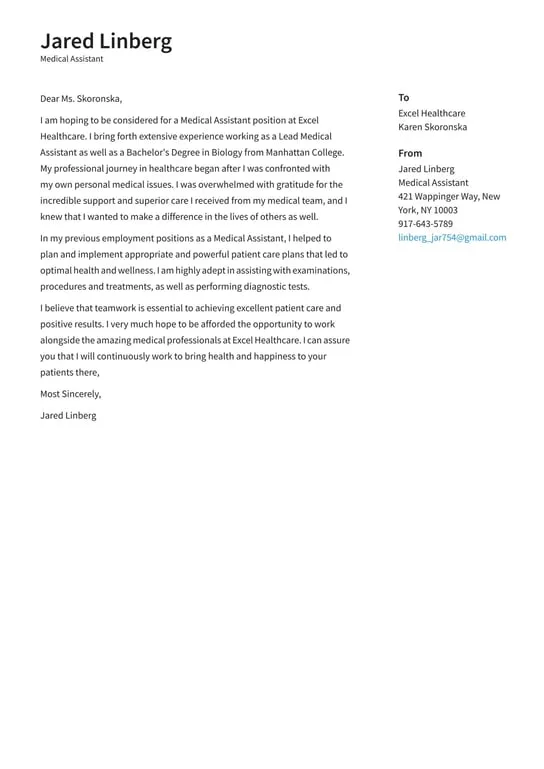
Start with a professional header that includes your full name, address, phone number, and email address. It should be easy to find and clearly presented at the top of your letter. Ensure that your email address is professional; avoid using nicknames or informal language. If you’re applying to a specific person, include their name, title, and the address of the hospital or institution. This attention to detail shows that you’re organized and committed to the application process, making a great first impression. Correct formatting, including consistent font and spacing, is also a must.
Addressing the Recipient Correctly
Always address the recipient by name, if possible. Research the program to find out the name of the hiring manager or the person in charge of reviewing applications. Addressing the letter to a specific individual shows initiative and personalizes your application. If you’re unable to find a specific name, ‘Dear Hiring Committee’ or a similar professional greeting is acceptable. Avoid generic greetings like ‘To Whom It May Concern,’ which can make your letter feel impersonal and less engaging. Proper salutations demonstrate respect and professionalism.
Crafting a Powerful Opening
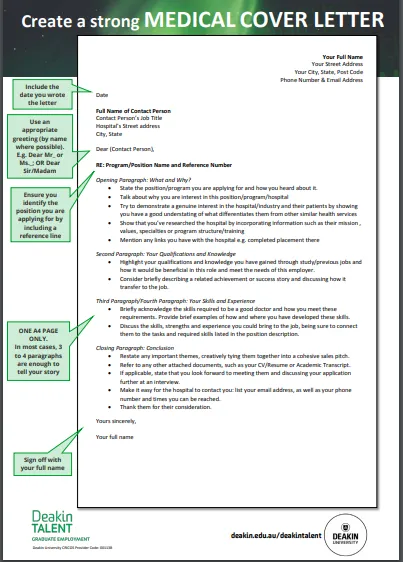
Your opening paragraph should immediately grab the reader’s attention. Start with a clear statement of your purpose — stating the specific internship you’re applying for and where you learned about it. Briefly mention why you are interested in the position and what makes you a strong candidate. Consider including a compelling hook, such as a brief anecdote or a statement about your passion for medicine. This initial paragraph sets the tone for the rest of your letter, so make it engaging and memorable. It’s your opportunity to make a strong first impression and highlight your genuine enthusiasm.
Highlighting Relevant Skills and Experiences
The body of your cover letter is where you showcase your skills and experiences relevant to the medical internship. Focus on the experiences that align with the internship’s requirements, using specific examples to demonstrate your abilities. This section is crucial for showing how you’ve applied your skills in real-world situations. Use the job description as a guide, highlighting experiences that directly meet the criteria outlined. Instead of simply listing your accomplishments, elaborate on the impact of your work, the skills you used, and the outcomes achieved, showing how your expertise can benefit the program.
Showcasing Clinical Skills and Knowledge
Provide detailed examples of your clinical skills and medical knowledge. Mention specific procedures you have observed or assisted with, highlighting the skills you’ve gained and how they relate to the internship. Detail your understanding of medical concepts, including any areas of special interest. Any experience in patient care, such as shadowing or volunteering, should be discussed, including specific tasks you performed and what you learned. Highlight your familiarity with medical terminology and your capacity to grasp complex medical concepts. Be specific about the clinical skills you’ve developed, such as taking medical histories, performing physical examinations, or assisting with surgical procedures.
Emphasizing Research and Academic Achievements

If you have research experience or academic achievements, highlight them in this section. Mention any research projects you’ve been involved in, detailing your role, the methodologies used, and the outcomes achieved. Include publications, presentations, or any other contributions to the scientific community. Focus on how these experiences have enhanced your analytical skills and your understanding of medical research. Detail any awards, honors, or distinctions you’ve received, providing specific information on the award and the criteria required to earn the distinction, making sure to connect your achievements with the internship requirements.
Demonstrating Soft Skills and Personal Qualities
Besides technical skills, highlight your soft skills and personal qualities essential for a medical internship, such as teamwork, communication, empathy, and leadership. Provide examples of how you’ve demonstrated these skills in previous roles or experiences. Illustrate your ability to work effectively in a team, communicate with patients and colleagues, and handle stressful situations with professionalism. Consider including examples of how you’ve used your soft skills to overcome challenges or achieve specific results. Emphasize your empathy, compassion, and other qualities that would make you a good doctor.
Expressing Enthusiasm and Interest
Throughout your cover letter, express your genuine enthusiasm for the medical internship and the specific program you’re applying to. Clearly state why you want to be part of their team, mentioning what specifically attracts you to the program. Mention any specific aspects of the program that appeal to you. Demonstrate that you have researched the program and understand its mission and values. Your enthusiasm should be evident in your language and tone. It shows that you are dedicated to making a meaningful contribution to the program.
Closing the Letter Effectively

Your closing paragraph should summarize your key qualifications and reiterate your interest in the medical internship. Thank the reader for their time and consideration. Include a call to action, such as expressing your availability for an interview and providing your contact information again. Maintain a professional tone throughout the closing, ensuring that it reinforces your application and leaves a positive impression. Make sure to proofread the entire letter for any typos or grammatical errors before submitting your application.
Proofreading and Formatting for Professionalism
Before submitting, meticulously proofread your cover letter for any grammatical errors, typos, and formatting inconsistencies. Ensure that your language is clear, concise, and professional. Use a standard font and formatting to maintain readability. Having a friend or mentor review your letter can help catch any errors you might have missed. A well-formatted and error-free cover letter demonstrates your attention to detail and professionalism, making a positive impact on the reader.
Secrets to Making Your Cover Letter Stand Out
Tailoring Your Letter to Each Internship

Customize each cover letter for the specific medical internship you’re applying for. Research each program thoroughly and tailor your letter to reflect its requirements and values. Highlight skills and experiences that are most relevant to the internship. This personalized approach demonstrates your genuine interest in the program and your understanding of its goals. The more personalized the letter is, the more it reflects your commitment and attention to detail. Avoid using a generic template, and always update the specifics to match the specific program.
Using Action Verbs and Quantifiable Results
Use strong action verbs to describe your accomplishments and experiences. Rather than saying ‘I assisted with patient care,’ say ‘I administered medications and monitored patients’ vital signs.’ Wherever possible, quantify your results. For instance, instead of saying ‘I improved patient outcomes,’ state ‘I reduced patient readmission rates by 15%.’ Quantifiable results provide concrete evidence of your skills and abilities. Specific metrics and action verbs make your accomplishments more compelling and memorable, making the letter much more impactful.
Incorporating Keywords Effectively
Carefully review the job description and incorporate relevant keywords into your cover letter. These keywords help your application get past applicant tracking systems (ATS) and show that your skills and experiences align with the internship’s requirements. However, avoid keyword stuffing; use keywords naturally within the context of your writing. Make sure the keywords you select are meaningful and relevant to the medical field. Use a combination of soft skills, technical skills, and medical terminology to optimize your cover letter for both ATS and human readers.
Avoiding Common Cover Letter Mistakes

Generic vs Personalized Cover Letters
Avoid sending out generic cover letters that could apply to any internship. A personalized cover letter demonstrates genuine interest in the specific program and shows you’ve done your research. Generic cover letters are often perceived as lacking in sincerity. Tailor your letter to the unique requirements and values of the internship, making sure to address the specific needs and goals of the program and how your skills align with them.
Ignoring the Specifics of the Internship
Don’t ignore the specific requirements and expectations outlined in the internship description. Address each requirement directly in your cover letter, providing examples of how your skills and experiences match the program’s needs. Ignoring the specifics shows a lack of preparation and attention to detail. Carefully review the job description and make sure your cover letter is highly focused on what the program is seeking. Highlighting how your experience aligns with these requirements will significantly increase your chances.
Writing Too Much or Too Little
Keep your cover letter concise, typically no more than one page. Too much text can overwhelm the reader, while too little may not provide enough information. Aim for a balance, providing enough detail to showcase your qualifications without being overly verbose. Focus on the most relevant information, using clear and concise language. Keep the letter to the point, making sure it highlights your most significant skills and achievements.
Cover Letter Examples and Templates
Where to Find Cover Letter Examples
Explore online resources, career websites, and university career services for cover letter examples and templates. These resources can provide valuable insights into how to structure your letter and highlight your skills. Use these examples as a guide, but always tailor them to your specific experiences and the internship’s requirements. Make use of the templates but always customize them to reflect your personal experiences and match the details of the internship. Consider looking at templates geared toward medical fields.
Adapting Templates to Your Needs
Adapt any cover letter template to fit your individual needs and the specific internship you’re applying for. Customize the content to reflect your unique experiences, skills, and achievements. Ensure that the tone and style of the cover letter align with your personality and the expectations of the program. Tailoring templates will allow you to create a cover letter that is both effective and authentic, showcasing your personality and suitability for the position.
The Importance of Following Up
After submitting your cover letter and application, follow up with a brief email or phone call. Express your continued interest in the medical internship and inquire about the status of your application. A follow-up demonstrates your initiative and commitment. A follow-up call or email approximately a week after the application deadline is usually appropriate. Express your thanks and reiterate your excitement about the opportunity, showing that you’re seriously committed to the position.
In conclusion, a well-crafted cover letter is an essential component of a successful medical internship application. By following these secrets, you can create a compelling cover letter that highlights your skills, experiences, and enthusiasm, increasing your chances of securing an interview and ultimately, landing your dream medical internship. Remember to personalize your letter, use action verbs, quantify results, and always proofread for professionalism. Good luck!