Why a Nurse Practitioner Cover Letter Matters
In the competitive field of healthcare, a well-crafted nurse practitioner cover letter is your first opportunity to make a strong impression on potential employers. It’s not merely a formality; it’s a crucial tool that allows you to showcase your personality, experience, and passion for patient care in a way that a resume alone cannot. Your cover letter provides a space to elaborate on your skills and qualifications, demonstrate your understanding of the role, and express your enthusiasm for the specific position and the organization. This document acts as your personal introduction, allowing you to highlight your most relevant achievements and explain how your experience aligns with the employer’s needs. A compelling cover letter can be the deciding factor in getting you an interview, setting you apart from other applicants, and ultimately, landing your dream job as a Nurse Practitioner. It serves as your advocate, amplifying the key aspects of your resume and making you a more memorable candidate.
Key Elements of a Nurse Practitioner Cover Letter
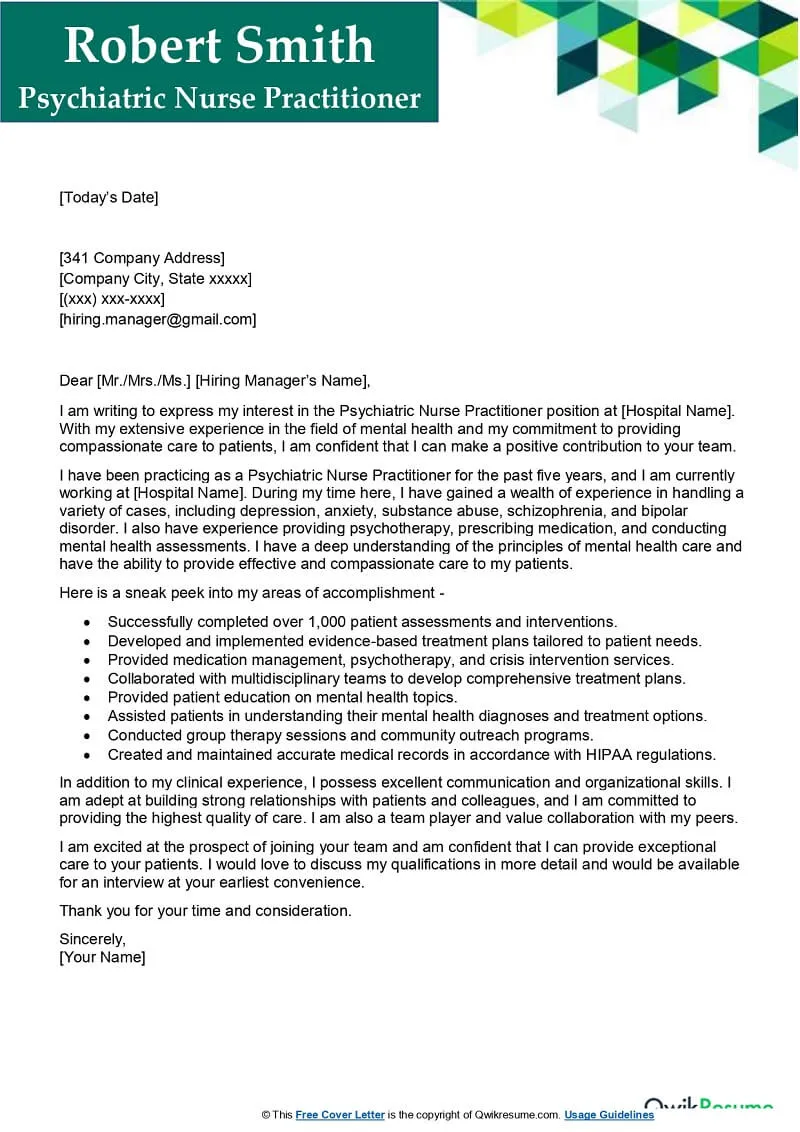
A successful nurse practitioner cover letter incorporates several key elements. Begin with your contact information, including your name, phone number, email address, and LinkedIn profile URL, ensuring it’s easily accessible. Next, address the hiring manager by name, if possible, which demonstrates your attention to detail and initiative. The body of the letter should be divided into clear paragraphs: a professional summary, detailing your core competencies; a skills and qualifications section, highlighting relevant experiences and certifications; and a section showcasing accomplishments and contributions that make you a standout candidate. Your closing should reiterate your enthusiasm and express your interest in an interview. Keep your tone professional, concise, and enthusiastic. Be sure to tailor each letter to the specific job and organization you’re applying to, as this personalization shows you’ve done your homework and are genuinely interested in the role.
Contact Information

Your contact information should be at the top of your cover letter, ensuring it’s easily accessible to the reader. Include your full name, professional phone number, and a professional-sounding email address. It’s also highly recommended to include a link to your LinkedIn profile. This allows the hiring manager to quickly view your professional background, recommendations, and any other relevant information that can further validate your qualifications. Double-check all contact information to ensure accuracy; an error here could mean you miss out on an interview opportunity. Make sure your phone voicemail is set up professionally, and that you check your email regularly for timely responses. The format should be clear, clean, and easily scannable, making it easy for the hiring manager to reach you. By providing complete and accurate contact details, you streamline the process for potential employers to reach out to you.
Professional Summary
Your professional summary is a concise overview of your career as a Nurse Practitioner, immediately capturing the reader’s attention. It should highlight your core competencies, such as your area of specialization, years of experience, and any specific patient populations you’ve worked with. Focus on your key strengths and accomplishments that align with the job requirements. Mentioning specific certifications or licenses is also crucial, showing you meet the essential qualifications for the position. Your summary should convey your value proposition - what unique skills and perspectives you bring to the role. The summary is a brief introduction that sets the tone for the rest of the letter, convincing the hiring manager to keep reading. It should be tailored to the specific job, showing how your skills match the employer’s needs, and demonstrate your commitment to providing high-quality patient care.
Skills and Qualifications
This section allows you to dive deeper into the skills and qualifications you possess that align with the job description. List both hard skills, like medical procedures or specific software proficiency, and soft skills, such as communication, problem-solving, and leadership abilities. Provide specific examples of how you’ve utilized these skills in previous roles. For example, if the job requires experience with electronic health records, mention your proficiency with specific EHR systems. If the role emphasizes patient communication, describe successful instances where you effectively explained complex medical information. When describing your qualifications, remember to include any certifications or licenses relevant to the position. Tailoring this section to the job requirements will demonstrate you are a strong fit. This focused approach demonstrates your understanding of the job’s requirements and ability to excel in the role.
Highlight Relevant Experience

Detailing your relevant experience is critical, using the STAR method (Situation, Task, Action, Result) to structure your examples. Begin by describing the situation or context, then explain your responsibilities (task), the actions you took, and the positive results achieved. Focus on experiences that directly relate to the job you are applying for, demonstrating your expertise in the required areas. If the job involves managing chronic diseases, highlight instances where you successfully managed patients with similar conditions, improving their health outcomes. If the position requires leadership experience, detail how you took on a leadership role in a specific setting. Quantifiable results help demonstrate the impact of your actions, providing tangible proof of your contributions. By using the STAR method, you create a compelling narrative that showcases your abilities and makes your experience more persuasive to the hiring manager.
Quantify Achievements
Quantifying your achievements adds credibility and demonstrates the impact of your work. Instead of merely stating you improved patient outcomes, specify how you improved them. For instance, “Reduced patient readmission rates by 15% through implementing a new patient education program.” or “Increased patient satisfaction scores by 20% through enhanced communication strategies.” Use metrics to showcase your accomplishments: the number of patients you’ve treated, the efficiency improvements you’ve achieved, or any cost savings you’ve generated. If you’ve trained new staff members, mention the number of individuals trained or any positive feedback received. By incorporating quantifiable results, you make your achievements more tangible and convincing, clearly illustrating your value to the employer. This information helps the hiring manager quickly assess your potential contributions to their team.
Demonstrate Passion for Nursing
Expressing your passion for nursing is essential, showcasing not just your skills but also your genuine interest in the field and patient care. Mention what motivates you about being a nurse practitioner, such as the opportunity to build relationships with patients, provide direct care, or contribute to the medical community. You can express your commitment to professional development and staying current with the latest advancements in healthcare. Showcasing your passion makes you a more memorable candidate, as it demonstrates you’re not just looking for a job but a career that you’re truly invested in. Consider sharing a personal anecdote or a specific moment that fueled your passion for the profession, creating a more emotional connection with the reader. Let your enthusiasm for patient care shine through, demonstrating that you are dedicated and driven to make a positive impact.
Tailor Your Letter to the Job

Customizing your cover letter for each job application significantly increases your chances of success. Review the job description carefully and align your skills, experience, and accomplishments with the specific requirements outlined. Highlight the keywords used in the job posting to demonstrate that you meet their criteria. Research the organization to understand its mission, values, and culture, and use this information to tailor your letter to reflect their specific needs. Demonstrate that you are genuinely interested in the opportunity by referencing the organization and the specific role. This shows that you’ve taken the time to understand their requirements and are not just sending a generic cover letter. Personalization shows your attention to detail, making you a more attractive candidate. By demonstrating that you’re a good fit for both the role and the organization, you significantly increase your chances of getting an interview.
Closing Your Nurse Practitioner Cover Letter
Your closing should reiterate your interest in the position, expressing enthusiasm for the opportunity and thanking the reader for their time and consideration. Reiterate your interest in an interview and provide the best way to contact you, and restate your contact information again for convenience. It’s a way to leave a lasting impression, and ensure the hiring manager knows how to contact you. Always end with a professional closing, such as “Sincerely” or “Best regards,” followed by your name. Ensure your letter’s final impression is clear, concise, and confident, reaffirming your qualifications and expressing your strong desire to be a part of their team. Make sure to double check your contact details before submitting.
Proofreading and Formatting for a Perfect Cover Letter
Before submitting your cover letter, it’s essential to meticulously proofread and format it for a polished appearance. Check for grammatical errors, spelling mistakes, and typos. Have a friend, family member, or colleague review your letter for any errors. Ensure the layout is easy to read with clear font choice and appropriate spacing. Use a professional font style, such as Arial or Times New Roman, with a standard font size of 11 or 12 points. Maintain consistent formatting throughout the document, with justified text. Your cover letter should be no more than one page. A well-formatted and error-free cover letter reflects professionalism, attention to detail, and respect for the employer’s time. A polished cover letter, free of errors, will make you a more competitive candidate, signaling to the hiring manager that you pay attention to details and are serious about the position.