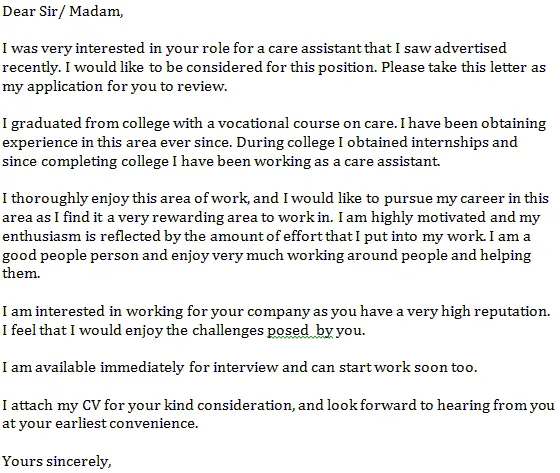
Why You Need a Strong PCA Cover Letter
In the competitive field of personal care assistance, a well-crafted cover letter is your first opportunity to make a lasting impression. It’s your chance to introduce yourself, showcase your qualifications, and highlight your passion for caring for others. A strong PCA cover letter can significantly increase your chances of getting hired by demonstrating your skills, experience, and personality in a way that a resume alone cannot. Hiring managers often use cover letters to assess your communication skills, attention to detail, and overall suitability for the role. Without a compelling cover letter, your application might be overlooked, even if you have excellent qualifications. Therefore, investing time and effort into crafting a personalized and persuasive cover letter is crucial for securing your desired PCA position. This document is your initial introduction, allowing you to stand out from other applicants.
Highlight Your Skills and Experience for PCA
Your cover letter is a canvas to paint a vivid picture of your skills and experience. Start by reviewing the job description and identifying the key skills and qualifications the employer is seeking. Then, tailor your cover letter to match those requirements, providing specific examples of how you’ve demonstrated those skills in past roles. For instance, if the job description emphasizes experience with medication reminders, describe how you’ve successfully managed medication schedules for patients, ensuring accuracy and adherence. If the role requires experience with mobility assistance, share examples of how you’ve safely assisted patients with transfers, ambulation, and other physical tasks. Don’t just list your skills; show the employer how you’ve applied them to achieve positive outcomes. Quantify your achievements whenever possible, such as the number of patients you’ve assisted or any improvements you’ve made in their care. Emphasize any specialized training or certifications you possess that align with the job requirements.
Essential Skills to Include in Your Cover Letter

A successful PCA possesses a diverse skill set, and your cover letter should showcase the most relevant ones. These skills demonstrate your ability to provide comprehensive and compassionate care. Your cover letter should highlight these key areas, offering concrete examples of your proficiency. Providing specific instances where you’ve used these skills effectively will make your application stand out. Remember to focus on these key skills to make a positive impression on the hiring manager. Tailor your examples to fit the specific requirements of the job. Including these skills will illustrate your understanding and capabilities as a PCA.
Patient Care Experience
Detailing your experience with direct patient care is crucial. Describe the types of patients you’ve cared for, such as those with chronic illnesses, disabilities, or age-related needs. Provide examples of how you’ve assisted with activities of daily living (ADLs), including bathing, dressing, and toileting. Highlight any experience with specialized care, such as wound care, catheter care, or administering medications. Mention any experience with monitoring vital signs, recognizing changes in patient conditions, and promptly reporting them to the appropriate medical professionals. Emphasize your ability to provide a safe and comfortable environment for patients, ensuring their physical and emotional well-being. If you have experience with specific medical equipment, be sure to mention it. Make it clear how your past experiences align with the current job’s requirements, showing you are ready and equipped to handle the demands.
Communication and Interpersonal Skills
Excellent communication is a cornerstone of effective PCA work. Describe your ability to communicate clearly and empathetically with patients, their families, and other healthcare professionals. Provide examples of how you’ve actively listened to patients’ concerns, provided emotional support, and built trusting relationships. Highlight your ability to explain medical information in a way that patients can understand. Mention your experience with conflict resolution, such as handling difficult patient situations with patience and understanding. Emphasize your ability to maintain confidentiality and respect patient privacy. Demonstrate your strong interpersonal skills by showcasing your ability to work collaboratively with a care team, including nurses, doctors, and other caregivers. Your ability to communicate effectively is essential for ensuring patient safety and well-being. Highlight how you’ve built trust and fostered positive relationships.
Physical Assistance and Mobility Support

Many PCA roles require providing physical assistance and mobility support. Detail your experience with transferring patients, assisting with ambulation, and using mobility aids such as walkers, wheelchairs, and lifts. Describe your knowledge of safe lifting techniques and your ability to prevent injuries. Mention any experience with range-of-motion exercises, helping patients maintain their mobility. Provide examples of how you’ve adapted your approach to meet the individual needs of patients with varying levels of mobility. Highlight your ability to create a safe and supportive environment to minimize the risk of falls and other accidents. If you have certifications like CPR or First Aid, be sure to list those. Show the employer that you can provide hands-on support while prioritizing patient safety and comfort. Demonstrate your commitment to promoting the patient’s independence and mobility.
Detailing Your Relevant PCA Experience
Your cover letter’s body should provide a clear account of your past roles and responsibilities. Use the job description as your guide, and emphasize the experiences that align most closely with the employer’s needs. Start with your most recent experience and work backward, highlighting the key responsibilities and achievements of each role. Quantify your achievements whenever possible, such as the number of patients you’ve assisted or the improvements you’ve made in their care. If you have specific experience with certain medical conditions or patient populations, make sure to mention it. Be concise and focused, and avoid including irrelevant information. Include the name of the employer, job title, dates of employment, and a brief summary of your duties. This helps the hiring manager quickly understand your experience and qualifications. When describing your experience, use action verbs to make your account more dynamic and engaging. Always aim to show how you’ve met the job requirements, rather than just listing responsibilities. Providing specific examples will help set you apart from other candidates.
Structuring Your PCA Cover Letter
A well-structured cover letter is easier to read and leaves a professional impression. A standard business letter format is recommended, which includes specific elements that make it easy for a hiring manager to quickly find what they need to know. By following a clear structure, you demonstrate attention to detail and organizational skills, which are both valuable assets in a PCA role. A well-organized layout makes it easier for the hiring manager to navigate the letter and quickly assess your qualifications.
Header and Contact Information

Begin your cover letter with a professional header that includes your full name, address, phone number, and email address. Make sure your contact information is up-to-date and easy to read. Directly below your contact information, add the date and the employer’s contact information. Include the hiring manager’s name if possible, and the company’s name and address. Using the hiring manager’s name shows that you have taken the initiative to research the company and personalize your application. If the hiring manager’s name is unavailable, use the appropriate professional title. Presenting this information at the top of your cover letter ensures the hiring manager can easily reach you and quickly identify the recipient.
Opening Paragraph that Grabs Attention
The opening paragraph is your opportunity to grab the hiring manager’s attention. Start with a strong statement that immediately highlights your interest in the PCA position and the company. Mention where you found the job posting and any mutual connections you might have. Briefly introduce yourself and state your main qualifications. Avoid generic opening lines; instead, craft a compelling introduction that demonstrates your enthusiasm for the role and your understanding of the company’s needs. Clearly state the position you are applying for, and express your genuine interest in the opportunity. Show your eagerness to contribute to the team. Your goal is to make the hiring manager want to read the rest of your cover letter and learn more about you.
Body Paragraphs Showcasing Skills
The body paragraphs are where you provide detailed information about your skills, experience, and qualifications. Use a few concise paragraphs to highlight your relevant experiences, focusing on how your skills and abilities align with the job description. Provide specific examples of how you’ve demonstrated these skills in the past. Use action verbs to describe your achievements and responsibilities. When writing about your skills, focus on patient care, communication, and physical assistance, which are essential to the role. Highlight instances where you’ve gone above and beyond to meet the needs of patients. Show the employer that you understand the demands of the job by tailoring your experience to the requirements. Make your cover letter a compelling read by showing the hiring manager how you’ve contributed in previous roles and how you can bring your skills to their team.
Closing Your PCA Cover Letter

Your closing paragraph should reaffirm your interest in the position and thank the hiring manager for their time and consideration. Reiterate your enthusiasm for the opportunity and express your eagerness to learn more. Summarize your key qualifications and reiterate your ability to meet the company’s needs. State your availability for an interview and how the hiring manager can contact you. Ensure a professional and polite tone. Leave a lasting positive impression and signal your commitment to the opportunity.
Call to Action and Contact Information
End your cover letter with a call to action that encourages the hiring manager to contact you for an interview. Reiterate your availability and willingness to discuss your qualifications further. Provide your contact information again, including your phone number and email address. Use a professional and respectful closing, such as “Sincerely” or “Respectfully,” followed by your full name. Before submitting, double-check that all contact information is accurate and easy to read. This helps ensure that the hiring manager can easily reach you. A clear call to action increases your chances of moving to the next stage of the hiring process.
Proofreading and Formatting Tips for Cover Letter
Before submitting your cover letter, it’s important to proofread it carefully for any errors in grammar, spelling, and punctuation. Errors can undermine your credibility and give the impression that you are not detail-oriented. Ask a friend or family member to review your letter for a second opinion. Ensure your cover letter is formatted correctly and is easy to read. Use a professional font, such as Times New Roman or Arial, and maintain consistent formatting throughout the document. Use clear and concise language. Keep your paragraphs relatively short and use bullet points or lists to break up large blocks of text. Make sure that your cover letter is tailored to the specific job posting. Proofread your letter carefully for any typos, grammatical errors, or formatting inconsistencies. A well-written and error-free cover letter will make a positive impression on the hiring manager and significantly increase your chances of getting hired.