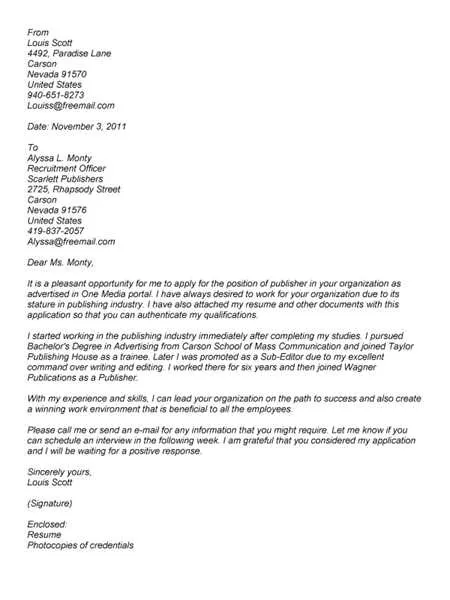
Understanding the Publishing Job Cover Letter
A publishing job cover letter is your first opportunity to make a strong impression on a potential employer. It serves as a crucial introduction, allowing you to demonstrate your understanding of the publishing industry and your suitability for the specific role. Unlike a resume, which provides a factual overview of your experience, a cover letter gives you the space to express your personality, passion, and writing skills. It’s your chance to connect with the hiring manager on a personal level, showcasing not only your qualifications but also your enthusiasm for the publishing field. Think of it as a carefully crafted narrative that complements your resume, highlighting the key aspects of your experience that align with the job requirements. A well-written cover letter can significantly increase your chances of securing an interview.
The purpose of the cover letter is to persuade the reader that you are the ideal candidate. This means you need to clearly articulate why you are interested in the specific role and why you are a good fit for the company. You should also tailor each cover letter to the specific job you’re applying for. Generic cover letters are easily spotted and can work against you. Research the company and the role thoroughly. Identify the key skills and experiences the employer is looking for and then demonstrate how you possess those qualities. Tailoring your cover letter shows that you have taken the time to understand the job requirements and are genuinely interested in the opportunity.
Key Components of a Compelling Cover Letter
A compelling cover letter should include several essential elements. Begin with a professional header, including your contact information and the date, followed by the hiring manager’s name and the company’s address if available. The opening paragraph should immediately grab the reader’s attention. State the specific position you are applying for and briefly explain why you are interested in the company and the role. This is where you make your initial pitch, demonstrating your understanding of the company and your enthusiasm. The body of your cover letter is where you delve into your qualifications, experiences, and skills. Use this space to showcase how your skills and experiences align with the job requirements. Provide specific examples that demonstrate your accomplishments and quantify your successes whenever possible. Use strong action verbs and concise language to convey your message effectively. Remember to highlight any relevant projects, internships, or volunteer work that showcases your abilities.
The closing paragraph should reiterate your interest in the position and thank the hiring manager for their time and consideration. Restate your enthusiasm for the opportunity and provide a clear call to action, such as expressing your availability for an interview. Proofread your cover letter carefully before submitting it. Ensure that all grammar, spelling, and punctuation are correct. A well-written cover letter is a reflection of your professionalism and attention to detail, both of which are highly valued in the publishing industry. A professional, well-structured cover letter is a key component to stand out from the competition. Including relevant keywords from the job description will also help to highlight your suitability for the role.
Highlighting Relevant Skills and Experience

When applying for a publishing job, emphasize the skills and experience that directly align with the requirements of the role. Publishing jobs often require a diverse skillset, including strong written and verbal communication skills, attention to detail, organizational abilities, and a solid understanding of the publishing process. Highlight your experience with proofreading, editing, and copyediting, demonstrating your ability to catch errors and improve written content. If you have experience with manuscript formatting, content management systems, or social media marketing, be sure to showcase those skills as well. Moreover, any experience working with different genres or specific types of publications should be included as it demonstrates your breadth of knowledge. Adapt your focus to showcase the skills that are most relevant to the job description.
Provide specific examples of your accomplishments and quantify your successes whenever possible. Instead of just stating that you have excellent editing skills, describe a project where you edited a manuscript and significantly improved its clarity or readability. If you have experience managing social media campaigns, mention the growth in followers or engagement metrics. If you’ve worked on a project that was successfully published, mention the impact the publication had. By providing concrete examples, you demonstrate the value you can bring to the publishing company. Furthermore, tailor your cover letter to match the job description by using the same keywords and phrases used in the description. This helps to show that you meet the specific requirements outlined by the employer.
Showcasing Your Passion for Publishing
Your passion for publishing is one of your greatest assets in a cover letter. This enthusiasm should be evident from the start. Demonstrate your passion by explaining why you are drawn to the publishing industry and, more specifically, why you are interested in this particular role. Mention any favorite authors, books, or publications that have inspired you. Explain how the publishing world fascinates you. Showing that you understand the importance of excellent literature is a way to highlight your understanding of the publishing world.
Showcase how your personal values align with the company’s mission and values. Publishing is more than just a job; it’s a commitment to sharing ideas and stories. Mention specific books or projects that resonate with you and explain why. Demonstrate your desire to contribute to the company’s success by providing context. Explain the impact that you want to have with the company. Be genuine in your writing. Your enthusiasm will be more infectious. It’s essential to make a connection with the hiring manager. Demonstrate that you are genuinely enthusiastic about the opportunity and the company. Your passion will make you a more memorable candidate. Showcasing your passion will help you stand out from other applicants.
Formatting and Proofreading Your Cover Letter
The formatting and proofreading of your cover letter are critical. A well-formatted cover letter is easy to read and visually appealing, reflecting your attention to detail and professionalism. Use a clean and professional font such as Times New Roman, Arial, or Calibri in a readable size (11 or 12 points). Maintain consistent spacing throughout your letter, with a 1-inch margin on all sides. Structure your cover letter with clear paragraphs, concise sentences, and headings to guide the reader. The layout should be easy to navigate, ensuring that the hiring manager can quickly find the information they need.
Proofreading is vital. Errors in your cover letter can undermine your credibility and reduce your chances of getting the job. Before submitting your cover letter, carefully proofread it for any spelling, grammar, and punctuation errors. Use spell-check and grammar-check tools, but don’t rely on them entirely. Read your cover letter aloud to catch any awkward phrasing or inconsistencies. If possible, ask a friend, family member, or career advisor to proofread your cover letter. Fresh eyes can often catch errors that you might miss. A flawlessly written cover letter demonstrates your commitment to excellence and your ability to produce high-quality work, both essential qualities in the publishing field.
Following Up After Submitting Your Application

Following up after submitting your cover letter is a proactive step that can demonstrate your interest in the position and show your commitment to the publishing company. Follow-up etiquette varies, but a brief, polite email approximately one week after submitting your application is generally appropriate. In your follow-up email, express your continued interest in the position and briefly reiterate why you believe you are a good fit for the role. You can also mention any specific skills or experiences that align with the job requirements. Keep your follow-up concise and professional, avoiding any overly persistent or aggressive approaches. Demonstrate your enthusiasm without being overbearing. Do not bombard the hiring manager with repeated emails or phone calls.
Be prepared to answer questions. If you have not heard back within a reasonable timeframe (such as a few weeks), you can send a polite follow-up email to inquire about the status of your application. However, avoid excessive follow-up, as it can be perceived negatively. Instead, use your follow-up to reiterate your interest and confirm that you are still eager to be considered. Demonstrate your professionalism and respect the hiring manager’s time by keeping your communication brief and to the point. This can set you apart as a dedicated and professional candidate.