What is a Resume Cover Letter?
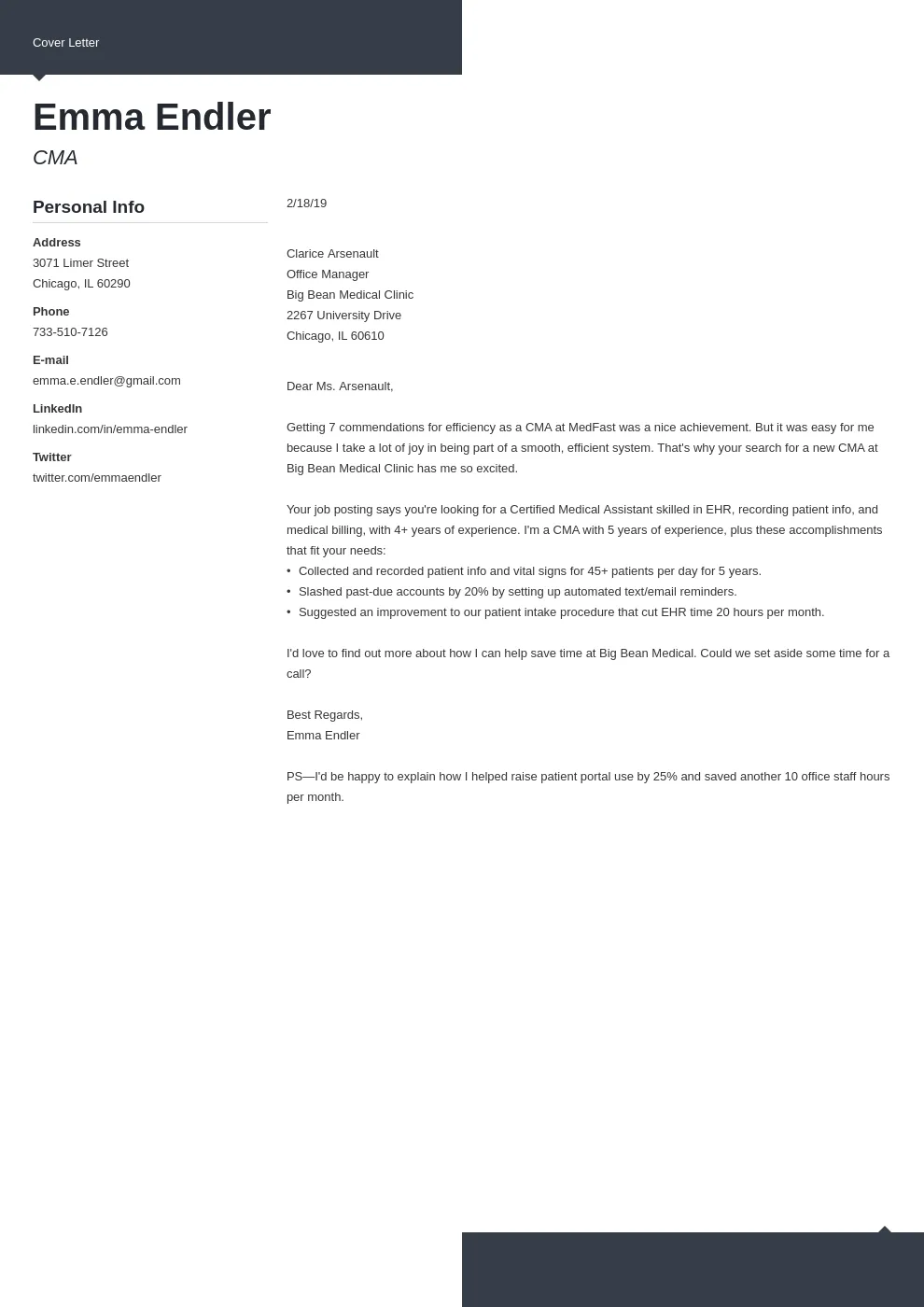
A resume cover letter is a crucial document that accompanies your resume when applying for a job. It serves as your first introduction to a potential employer, offering a concise overview of your qualifications, skills, and experiences. Unlike a resume, which provides a factual summary of your professional background, a cover letter allows you to express your personality, demonstrate your enthusiasm for the role, and explain why you are a perfect fit for the position. The primary goal of a cover letter is to convince the hiring manager to read your resume and consider you for an interview. A well-crafted cover letter can significantly increase your chances of getting noticed and landing your dream job. Without a cover letter, the information on your resume can be seen as just a list. It is the cover letter that tells the story behind the list.
Why You Need a Cover Letter
In today’s competitive job market, a cover letter is not just optional; it’s often essential. It allows you to personalize your application and showcase your interest in the specific role and company. A cover letter provides the opportunity to highlight relevant skills and experiences that might not be immediately apparent on your resume. It is your chance to address any potential gaps in your employment history or explain why you’re making a career change. Moreover, a cover letter demonstrates your communication skills, attention to detail, and professionalism. Many employers consider the cover letter as an assessment of your writing abilities and your ability to convey your message effectively. The cover letter gives you a voice beyond the basic facts of your work history.
Key Components of a Cover Letter

A well-structured cover letter includes several key components that work together to make a strong impression. These elements typically include your contact information, the date, the recipient’s information, a compelling opening paragraph, a section highlighting your relevant skills and experience, a closing paragraph expressing gratitude and next steps, and your signature. Each section plays a critical role in conveying your qualifications, demonstrating your interest in the position, and persuading the hiring manager to invite you for an interview. A cover letter is a carefully crafted sales pitch that is designed to convince the reader that you are worth getting to know more. Getting each section right is vital.
Your Contact Information
At the top of your cover letter, include your full name, phone number, email address, and optionally, your LinkedIn profile URL. Ensure that your contact information is accurate and up-to-date. Use a professional-looking email address. Your contact information allows the employer to easily reach you to schedule an interview or request additional information. Double-check for any typos or errors. Correct contact information is vital, otherwise you will be missing out on job opportunities. Proofread everything carefully to ensure accuracy.
The Date and Recipient Information
Below your contact information, include the date. Following the date, provide the hiring manager’s name, title, and the company’s address. If you are unsure who the hiring manager is, research the company’s website or LinkedIn to find out. Addressing the letter to a specific person demonstrates that you have done your homework and are genuinely interested in the role. If you are unable to find a name, you can use a generic greeting like “Dear Hiring Manager.” Generic greetings are fine, but using a name makes a stronger impression.
The Opening Paragraph

The opening paragraph is your first chance to capture the reader’s attention. Start by stating the position you are applying for and where you saw the job posting. Briefly mention why you are interested in the role and the company. You can also highlight a key skill or experience that makes you a strong candidate. Make it engaging and concise. The opening paragraph is the hook, so it should be compelling. A strong opening paragraph is vital to getting your cover letter read. If the opening is not strong, then the hiring manager might not read the rest of the letter.
Highlighting Your Skills and Experience
In the body of your cover letter, elaborate on your relevant skills and experiences. Select two or three key skills or experiences that align with the job requirements and provide specific examples to demonstrate your capabilities. Instead of simply listing your skills, describe how you’ve used those skills to achieve specific results. This section is an opportunity to showcase your accomplishments and quantify your achievements whenever possible. Focus on the most relevant aspects of your background. Don’t just list your skills; prove that you have them by offering solid examples of your skills in action.
Focus on Achievements and Impact
Instead of just listing your responsibilities, focus on your achievements and the impact you made in previous roles. Use action verbs to describe your accomplishments and quantify your results whenever possible. For example, instead of saying “Managed social media accounts,” say “Increased social media engagement by 30% in six months.” Quantifying your achievements provides concrete evidence of your skills and demonstrates the value you can bring to the company. This is your chance to highlight your strengths. The more you quantify your successes, the more likely you are to impress the hiring manager.
Quantify Your Accomplishments

Use numbers and data to quantify your accomplishments whenever possible. This provides concrete evidence of your impact and makes your claims more credible. For example, mention the percentage by which you increased sales, the number of projects you completed, or the amount of money you saved the company. Quantifiable results are much more persuasive than vague statements. Include metrics whenever possible. If you don’t have exact numbers, you can use estimations, but always be honest.
Show, Don’t Just Tell
Instead of just telling the reader that you possess certain skills or qualities, show them through specific examples. Use the STAR method (Situation, Task, Action, Result) to describe a situation where you demonstrated a particular skill or achieved a positive outcome. This approach helps you provide context and demonstrate your ability to apply your skills in real-world scenarios. The STAR method is one of the best ways to show, rather than tell. Demonstrate the impact of your skills, and you are much more likely to make a good impression.
Tailoring Your Letter to the Job
Customize your cover letter for each job application. Do not send out generic cover letters. Read the job description carefully and identify the key skills and experiences that the employer is seeking. Then, tailor your letter to highlight your qualifications and experiences that are most relevant to the specific role. Show the employer that you understand their needs and that you have what it takes to succeed. A generic cover letter is a sure way to make a bad impression. You want to demonstrate that you are the best fit for the job.
Research the Company and Role

Before writing your cover letter, research the company and the role you are applying for. Understand the company’s mission, values, and culture. Review the job description carefully to understand the specific requirements and expectations. Demonstrate that you understand the company’s needs and that you have the skills and experience to meet those needs. Showing that you understand the company and the role is a key ingredient to getting hired. The research helps you target your skills and experience to make the best impression.
Use Keywords from the Job Description
Incorporate keywords from the job description into your cover letter. This helps the hiring manager quickly identify that your qualifications match the requirements of the role. However, avoid keyword stuffing. Use the keywords naturally and integrate them into your sentences. Focus on the most important keywords and use them strategically. The effective use of keywords will help your cover letter stand out. Do not overdo it. Focus on natural language and the requirements for the role.
The Closing Paragraph
In the closing paragraph, express your interest in the role and reiterate why you are a good fit for the position. Thank the hiring manager for their time and consideration. Indicate your availability for an interview and how you can be reached. End on a positive and enthusiastic note. The closing paragraph should leave the reader with a good impression. Express gratitude. Make it clear that you are eager to interview.
Express Gratitude and Next Steps

Show your appreciation for the hiring manager’s time and consideration. Reiterate your enthusiasm for the role and the company. State that you are available for an interview and provide your contact information again. End with a confident and positive statement. The closing paragraph is your last chance to make an impression. Expressing gratitude is always a good idea. Be clear about the next steps.
Proofreading and Formatting
Proofread your cover letter carefully for any grammatical errors, typos, or inconsistencies. Use a professional and easy-to-read font, such as Arial or Times New Roman, and maintain consistent formatting throughout the document. Pay close attention to the layout, including margins, spacing, and alignment. A well-formatted and error-free cover letter demonstrates professionalism and attention to detail. A poorly formatted letter can give the impression that you don’t care about the job. So, make sure you format your cover letter correctly.
Common Cover Letter Mistakes
Avoid common cover letter mistakes, such as typos, grammatical errors, generic language, and focusing too much on yourself rather than the employer’s needs. Do not use clichés or overused phrases. Ensure that your letter is tailored to the specific role and company, and avoid sending the same letter to multiple employers. Be careful about making claims that you cannot back up. Avoid negative language. Avoid being overly familiar or informal. These mistakes can hurt your chances.
Length and Tone
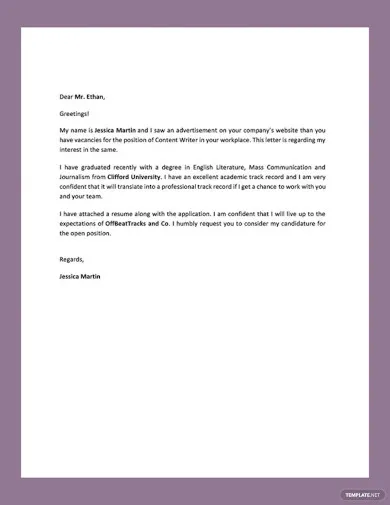
Keep your cover letter concise and to the point. Aim for a length of one page or less. Use a professional and enthusiastic tone. Avoid being overly formal or informal. Demonstrate your personality while maintaining a professional demeanor. Be confident in your tone, but don’t overstate your qualifications. Know your audience and adjust your tone accordingly. The length of your letter should be long enough to make your case, but no longer. In most cases, one page is the perfect length.
Overused Phrases and Clichés
Avoid using overused phrases and clichés, such as “I am writing to express my interest” or “I am a team player.” These phrases are generic and don’t add any value to your cover letter. Use fresh and original language that reflects your unique personality and qualifications. Be creative in your writing. The goal is to get the reader’s attention and make you stand out from the crowd. Use strong verbs and avoid jargon and other clichés. These can distract from your message.
Final Touches for a Polished Letter
Before submitting your cover letter, take a final look to ensure that everything is perfect. Review the letter for any errors, and make sure that the formatting is consistent. Have someone else proofread your letter to catch any mistakes that you might have missed. Ensure that your contact information is correct. A polished cover letter makes a strong impression. Take the time to do it right. Make sure that your cover letter is a good representation of you and your abilities.