What is a Resume Cover Letter
A resume cover letter is a crucial document that accompanies your resume when applying for a job. It serves as your first introduction to a potential employer, providing an opportunity to highlight your skills, experience, and qualifications in a more personalized way than a resume alone. The cover letter allows you to showcase your personality, express your enthusiasm for the position, and explain why you are the ideal candidate. It acts as a bridge between your resume and the hiring manager, offering context and expanding upon the information presented in your resume. A well-written cover letter can significantly increase your chances of getting an interview by capturing the employer’s attention and making a positive first impression.
Why You Need a Cover Letter
In today’s competitive job market, a cover letter is not just a formality; it’s a necessity. Many hiring managers consider a cover letter a vital part of the application process. It provides a platform to differentiate yourself from other applicants. While your resume lists your skills and experiences, your cover letter gives you the chance to explain why those qualifications make you the perfect fit for the specific role and company. It allows you to demonstrate your writing skills, which are essential in nearly every profession, and to show your understanding of the job requirements and the company’s values. Moreover, a cover letter helps you address any potential gaps or concerns in your resume, such as career changes or employment history, making it a powerful tool in your job search strategy.
Tip 1 Customize Your Cover Letter

The most common mistake job seekers make is sending generic cover letters. Tailoring your cover letter to each specific job application is essential for showcasing your genuine interest and qualifications. Begin by researching the company and the specific role, understanding their mission, values, and the skills they prioritize. Then, customize your letter to directly address the job requirements, highlighting how your skills and experiences align with their needs. Mention specific projects, accomplishments, or experiences that demonstrate your ability to excel in the position. Avoid using a one-size-fits-all approach and demonstrate that you’ve taken the time to understand the opportunity and the company, significantly increasing your chances of success. Personalize your letter by mentioning the hiring manager’s name, if possible, and express genuine enthusiasm for the role and the company’s vision.
Tip 2 Highlight Your Accomplishments
Instead of just listing your responsibilities, use your cover letter to showcase your achievements. Quantify your accomplishments whenever possible. For instance, instead of saying ‘Managed social media accounts,’ you could write ‘Increased social media engagement by 30% within six months by implementing a new content strategy.’ Use action verbs to describe your achievements, and focus on the results you delivered in previous roles. This approach provides concrete evidence of your capabilities and demonstrates your value to potential employers. Highlight accomplishments that are relevant to the job description, and tailor your examples to match the specific needs and requirements of the role. The goal is to paint a clear picture of your success and illustrate how you can make a positive impact on the company.
Tip 3 Showcase Your Skills
Your cover letter is an ideal space to showcase both your hard and soft skills. Identify the key skills the employer is seeking based on the job description, and explicitly state how you possess those skills. Provide specific examples of how you have used these skills in the past to achieve positive outcomes. For example, if the job requires strong communication skills, describe a time you successfully led a presentation or resolved a conflict through effective communication. If the role needs analytical skills, highlight your experience with data analysis or problem-solving. By clearly demonstrating your skills, you can convince the employer that you are a strong candidate. Tailor the skills you highlight to match the job requirements, emphasizing those most relevant to the position. It’s crucial to back up your claims with concrete examples to establish your credibility.
Tip 4 Match the Tone to the Company
The tone of your cover letter should reflect the company culture and the nature of the job. Research the company’s website, social media presence, and industry publications to understand their communication style. If the company is formal and traditional, your cover letter should be professional and polished. If the company is more casual and creative, you can adopt a more informal and engaging tone. Maintain a consistent tone throughout the letter, ensuring it aligns with the company’s brand identity. Always remain respectful and professional, regardless of the company’s culture. Use appropriate language, and avoid slang or overly casual expressions. By mirroring the company’s tone, you show that you understand their values and that you’re a good cultural fit, increasing your chances of making a positive impression.
Tip 5 Proofread and Edit
Errors in your cover letter can create a negative impression, so proofreading and editing are essential steps. Carefully check for grammatical errors, spelling mistakes, and typos. Read your cover letter multiple times, and consider using a grammar checker to identify any potential issues. It’s also a good idea to have someone else review your letter, as a fresh pair of eyes can often catch mistakes you might miss. Ensure your letter is concise, well-organized, and easy to read. Make sure your formatting is consistent, and that your contact information is accurate. Double-check the company name, job title, and the hiring manager’s name for any errors. A polished and error-free cover letter demonstrates your attention to detail and your commitment to presenting yourself professionally.
Cover Letter Formatting for Success
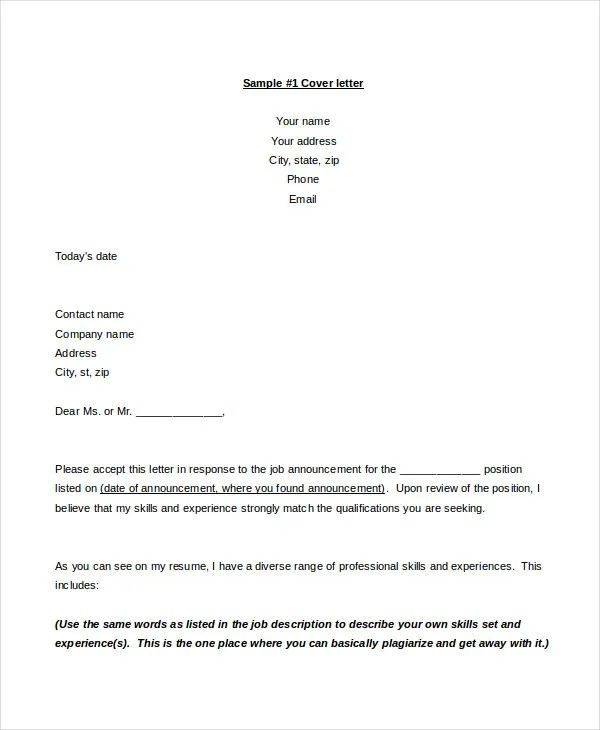
Formatting is key to presenting your cover letter in a professional and readable manner. Use a clear and easy-to-read font, such as Times New Roman, Arial, or Calibri, with a font size between 10 and 12 points. Maintain consistent spacing, using single spacing within paragraphs and double spacing between paragraphs. Use left alignment, and avoid justifying the text. Include your contact information at the top, followed by the date and the hiring manager’s name and title (if known). Keep your cover letter concise, ideally one page in length. Break up the text with headings, bullet points, and white space to make it visually appealing. Use a professional letterhead template to create a polished appearance, but be mindful of the company’s branding guidelines if you are aware of them.
Cover Letter Examples and Templates

Reviewing cover letter examples and templates is a great way to get inspiration and understand the structure and content of effective cover letters. Numerous online resources provide examples tailored to different industries and job types. Look for templates that align with your field and the specific job you’re applying for. Customize the templates to fit your skills, experience, and the job requirements. Remember to replace the sample information with your own details and tailor the content to reflect your accomplishments and qualifications. Analyze the language, tone, and formatting of the examples, and adapt them to create a personalized and compelling cover letter. Use these resources to learn how to structure your letter effectively, showcase your skills, and demonstrate your value to potential employers. Avoid blindly copying a template, as your cover letter should always be a unique reflection of you and your abilities.
How to Tailor Your Cover Letter for Different Industries
Tailoring your cover letter to the specific industry you are targeting is a crucial step in making your application stand out. Each industry has its own language, values, and expectations. Research the industry standards and adapt your cover letter accordingly. In some industries, such as creative fields, you might have more flexibility in terms of style and tone. In more traditional industries, such as finance or law, it’s important to maintain a formal and professional tone. Use industry-specific terminology and demonstrate your understanding of the industry’s challenges and opportunities. Highlight the skills and experiences most relevant to the industry. If you are changing careers, emphasize the transferable skills that align with the new industry’s needs. Show your genuine interest in the industry and your commitment to contributing to its success.
Cover Letter Mistakes to Avoid
Avoiding common cover letter mistakes is critical for making a positive impression. One of the biggest mistakes is sending a generic cover letter that is not tailored to the specific job or company. Another common mistake is simply restating your resume without adding any new information or context. Typos, grammatical errors, and formatting issues can quickly undermine your credibility, so always proofread carefully. Avoid using overly casual language or slang, and ensure your tone is appropriate for the industry and company. Don’t be overly boastful or negative about previous employers. Ensure your cover letter is concise and easy to read, and remember to include a call to action, such as expressing your enthusiasm for an interview. By avoiding these common pitfalls, you can significantly increase your chances of landing your dream job.
Conclusion

A well-crafted resume cover letter is a powerful tool for making a strong impression and securing your desired job. By following the tips and strategies outlined in this guide, you can create a compelling cover letter that highlights your qualifications, showcases your skills, and demonstrates your genuine interest in the role and the company. Remember to tailor your cover letter to each specific job application, highlight your accomplishments, and use a professional tone that aligns with the company’s culture. Proofread and edit carefully, and seek feedback from others to ensure your letter is polished and error-free. With a well-written cover letter, you’ll be well-positioned to stand out from the competition and take the next step in your career.