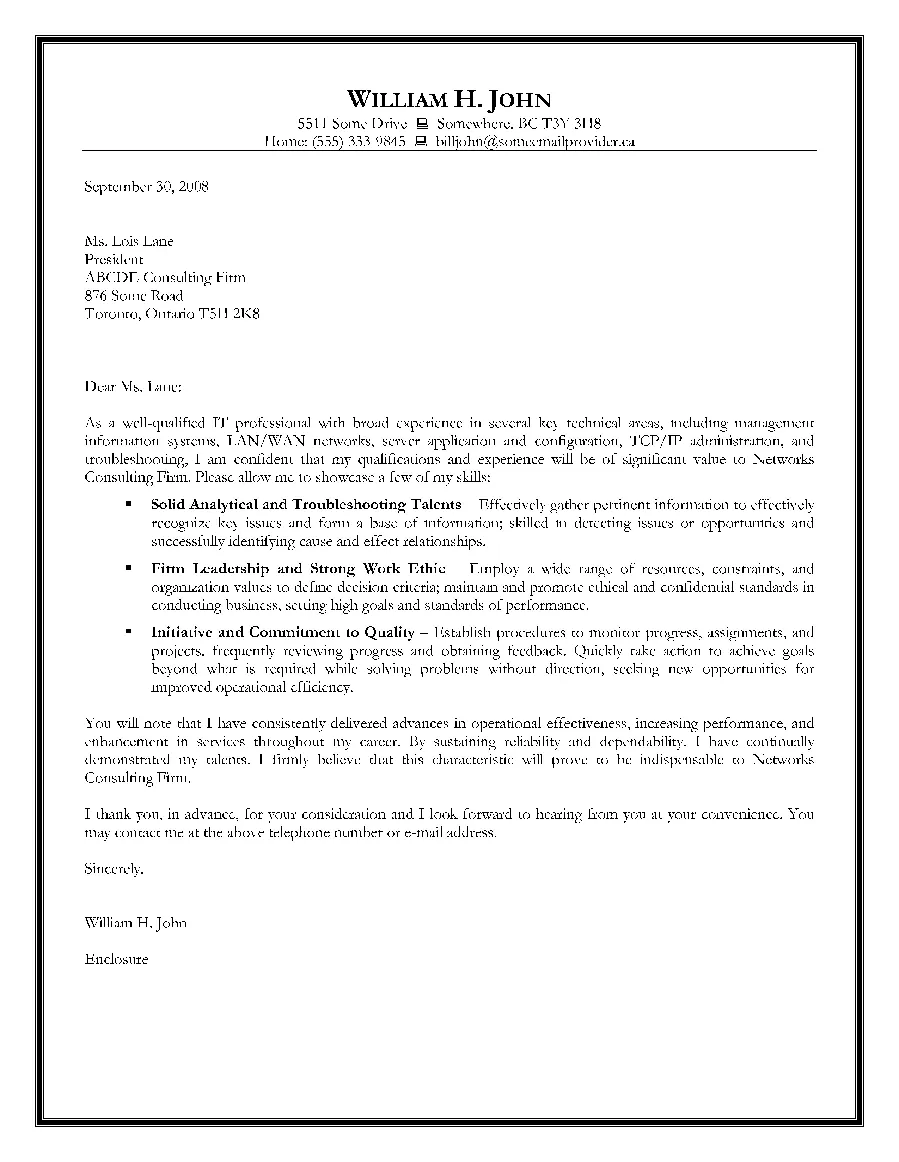
Understanding the Tech Cover Letter
In the competitive world of technology, a well-crafted cover letter is your key to unlocking the door to your dream job. It’s more than just a formality; it’s your opportunity to make a strong first impression and showcase why you’re the perfect fit for the role. Unlike your resume, which provides a factual overview of your experience, a cover letter allows you to tell your story, highlighting your passion for technology and your unique value proposition. A great cover letter makes you stand out among the crowd, demonstrating your personality, enthusiasm, and understanding of the company’s needs. It provides the hiring manager with a clear picture of who you are beyond the list of skills and qualifications on your resume, giving context to your experience and showing how your background aligns with the job requirements.
Why a Great Tech Cover Letter Matters
In the fast-paced tech industry, where hundreds of applications flood inboxes, a generic or poorly written cover letter can be immediately dismissed. A great cover letter, on the other hand, grabs the reader’s attention from the start. It’s a chance to demonstrate your genuine interest in the specific company and role, which shows you’ve done your homework. By tailoring your letter to the specific job description and company culture, you prove that you’re not just sending out mass applications, but are genuinely interested in this specific opportunity. It’s an opportunity to explain any gaps in your resume, address potential concerns, and emphasize how your unique combination of skills and experiences makes you an ideal candidate. A strong cover letter sets the stage for a successful interview, increasing your chances of landing the job.
Key Elements of a Winning Tech Cover Letter

A winning tech cover letter includes several key elements. Start with a strong, personalized opening that grabs the reader’s attention, mentioning the specific role and how you learned about it. The body of your letter should highlight your relevant skills and experience, providing specific examples of your achievements and quantifying your results whenever possible. Tailor your letter to match the job description, demonstrating that you understand the role’s requirements and how your skills align with them. Always include a strong call to action, such as expressing your enthusiasm for an interview. The letter’s tone should be professional and enthusiastic, reflecting your passion for technology and eagerness to contribute to the company’s success.
Highlighting Your Skills & Experience
Your tech cover letter needs to showcase your skills and experience in a way that is relevant and compelling. Don’t just list your skills, but demonstrate them with concrete examples. When describing your experience, use the STAR method (Situation, Task, Action, Result) to provide context and demonstrate your problem-solving abilities. Focus on the skills that are most relevant to the job description, using keywords from the job posting to show that you understand what the employer is looking for. Mention specific projects you’ve worked on, technologies you’ve mastered, and any awards or recognition you’ve received. Be concise and specific, using data and metrics to quantify your achievements. For example, instead of saying “Improved website performance,” say “Improved website loading speed by 30% by implementing lazy loading.” This specific, quantifiable information will grab the recruiter’s attention.
Tailoring Your Cover Letter to the Job
Generic cover letters rarely impress. The key to success is tailoring your cover letter to each specific job application. Carefully read the job description and identify the key requirements and desired skills. Research the company’s values, mission, and culture to understand their priorities. Demonstrate your understanding of the role by highlighting how your skills and experience align with the job’s requirements. Use keywords from the job description throughout your letter to show that you are a good fit. Reference specific projects, technologies, and achievements that are relevant to the position. Show your genuine interest in the company by mentioning what excites you about their work or mission. Customizing your cover letter demonstrates that you’re genuinely interested in the specific opportunity and that you have taken the time to understand the company’s needs, and the requirements of the role, significantly increasing your chances of success.
Researching the Company & Role

Thoroughly researching the company and the specific role is crucial to writing a compelling cover letter. Visit the company’s website, read their “About Us” section, and explore their products or services. Look for recent news articles, blog posts, and social media updates to understand the company’s current initiatives and challenges. Identify the company’s values, mission, and culture. Then, analyze the job description carefully to understand the specific requirements and responsibilities of the role. Note the skills, experience, and qualifications the employer is seeking. Use this information to tailor your cover letter, demonstrating your understanding of the company’s needs and how your skills align with the role’s requirements. Mentioning something specific about the company demonstrates that you’ve done your homework and are genuinely interested in the opportunity, helping you stand out from other candidates.
Showcasing Your Tech Skills Effectively
In the tech industry, it’s essential to effectively showcase your skills. Avoid simply listing your skills; provide concrete examples of how you’ve used them. Quantify your achievements whenever possible. For instance, rather than saying “Proficient in Python,” provide details like “Developed a Python script that automated data analysis, reducing processing time by 40%.” Use the STAR method to describe your projects and contributions, outlining the Situation, Task, Action, and Result. Tailor your language to align with the tech stack and terminology used in the job description. If the job requires experience with cloud computing, provide examples of your work with specific platforms like AWS, Azure, or Google Cloud. If you’re applying for a software engineering role, demonstrate your proficiency in programming languages such as Java, C++, or JavaScript. Emphasize your contributions to team projects, highlighting how your skills and abilities led to successful outcomes.
Quantifying Your Achievements
Quantifying your achievements is a powerful way to make your cover letter stand out. Instead of simply stating what you did, provide specific data and metrics to demonstrate your impact. For example, instead of “Managed social media accounts,” try “Increased social media engagement by 50% in six months.” Similarly, instead of “Improved website performance,” write “Reduced website loading time by 20%, resulting in a 15% increase in conversions.” Use numbers, percentages, and other measurable data to showcase the value you brought to your previous roles. This not only proves your capabilities but also provides tangible evidence of your success, helping the hiring manager understand your true impact. By using quantifiable results, you make your accomplishments more credible and memorable, significantly enhancing your chances of getting hired.
Action Verbs to Use in Your Cover Letter

Using strong action verbs is essential for creating a dynamic and engaging cover letter. Action verbs help you demonstrate your skills and accomplishments and make your writing more impactful. Instead of using passive language, such as “Was responsible for,” opt for active verbs such as “Managed,” “Developed,” or “Implemented.” Some effective action verbs include: “Developed”, “Created”, “Implemented”, “Managed”, “Led”, “Improved”, “Increased”, “Reduced”, “Optimized”, “Designed”, “Programmed”, “Engineered”, “Analyzed”, “Automated”, and “Launched.” Using a variety of action verbs can help avoid repetition and showcase the breadth of your skills. When choosing verbs, consider the job description and the specific skills the employer is looking for. The right action verbs can transform a basic cover letter into a powerful marketing tool, capturing the reader’s attention and highlighting your achievements.
Common Tech Cover Letter Mistakes to Avoid
Avoid common mistakes that can undermine your chances of getting hired. One of the most significant errors is sending a generic cover letter. Always customize your letter to the specific role and company. Avoid using vague language and clichés; be specific and provide concrete examples of your achievements. Typos and grammatical errors are a major turn-off, so always proofread your cover letter carefully before submitting it. Don’t simply repeat your resume; use your cover letter to elaborate on your skills and experience. Avoid negativity or complaints about previous employers. Ensure you follow the instructions provided in the job posting. Another common mistake is failing to address the hiring manager by name. If possible, research the hiring manager and address your letter to them directly. Lastly, do not make your cover letter too long. Keep it concise, typically within one page.
Proofreading and Formatting Your Cover Letter
Proofreading and proper formatting are critical to the success of your cover letter. Always proofread your letter meticulously to catch any typos, grammatical errors, or punctuation mistakes. A well-formatted cover letter is easy to read and visually appealing. Use a professional font, such as Arial, Times New Roman, or Calibri, and maintain consistent formatting throughout the document. Use clear headings and subheadings to organize your content logically. Ensure that your letter is well-spaced, with appropriate margins and line spacing. Before submitting, have someone else review your cover letter to provide an unbiased perspective. They may catch errors you overlooked and offer feedback on the clarity and effectiveness of your writing. Taking the time to proofread and format your cover letter will show the hiring manager that you pay attention to detail and take pride in your work.
Writing a Compelling Closing Paragraph

The closing paragraph is your final opportunity to make a lasting impression. A compelling closing should reiterate your enthusiasm for the opportunity and your belief that you are a good fit for the role and company. Summarize your key skills and experiences, emphasizing how they align with the job requirements. Always include a strong call to action, expressing your eagerness for an interview and your availability. Avoid generic phrases like “Thank you for your time and consideration.” Instead, be specific and proactive, such as “I am eager to discuss my qualifications further and am available for an interview at your earliest convenience.” Your closing should reinforce your qualifications and leave the reader with a positive impression of your capabilities and interest. It is essential to conclude with a professional closing, such as “Sincerely” or “Best regards,” followed by your full name.
The Importance of a Strong Call to Action
Including a strong call to action is essential for converting a reader’s interest into a tangible next step. The call to action should encourage the hiring manager to take the initiative. This could be an invitation to an interview or a request for further discussion. It should be specific, clear, and easy to follow. Rather than just stating your interest, state your availability and express your enthusiasm for the opportunity. For instance, you could say “I am available for an interview at your earliest convenience.” Be confident and assertive, but always maintain a professional tone. A strong call to action leaves the reader with a clear understanding of the next steps and encourages them to contact you. A well-placed call to action significantly increases your chances of advancing in the hiring process, moving you closer to your desired job.