The 7 Cover Letter Blunders That Cost You the Job
Your cover letter is your first chance to make a great impression on a hiring manager, but it can also be your downfall. Many job seekers unknowingly make mistakes that send their applications straight to the rejection pile. Avoiding these common pitfalls can dramatically increase your chances of landing an interview. This article will break down the top 7 cover letter mistakes, providing actionable advice to help you craft a compelling cover letter that stands out from the crowd. Remember, a well-written cover letter is more than just a formality; it’s a powerful tool for showcasing your skills, experience, and enthusiasm for the role.
Not Tailoring Your Cover Letter
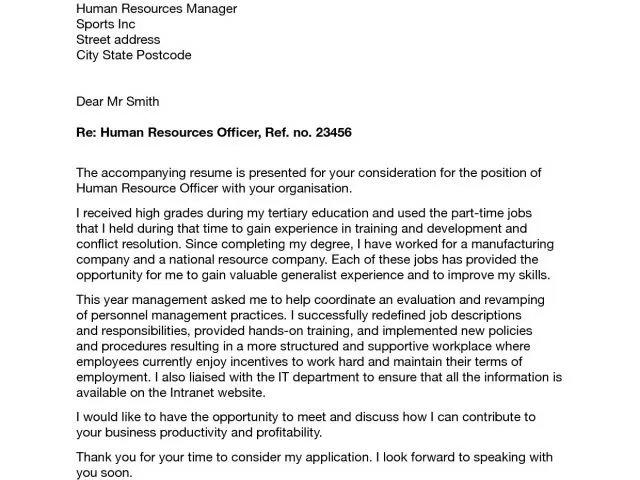
One of the biggest mistakes is sending out a generic cover letter that could apply to any job. Hiring managers can spot a copy-and-paste application a mile away. A tailored cover letter demonstrates that you’ve done your research, understand the company’s needs, and genuinely want the job. Customize your letter by mentioning specific aspects of the role that excite you and explaining how your skills and experiences align with the job requirements. Show that you understand the company’s mission, values, and culture. Addressing the letter to the specific hiring manager (if possible) and referencing the job posting by its title or number also shows attention to detail and genuine interest.
Generic Cover Letter Phrases to Avoid

Certain phrases have become cover letter clichés and should be avoided at all costs. Phrases like ‘I am writing to express my interest…’ or ‘I am a team player…’ are overused and lack originality. Instead of using these tired expressions, focus on providing specific examples that highlight your skills and accomplishments. Use action verbs to showcase your capabilities and quantify your achievements whenever possible. For example, instead of saying ‘I am a good communicator,’ write ‘Successfully presented project proposals to stakeholders, resulting in a 20% increase in budget approval.’ This approach makes your cover letter more engaging and memorable.
Using the Wrong Tone
Your cover letter’s tone should align with the company’s culture and the nature of the job. Be professional, but avoid being overly formal. A friendly and enthusiastic tone can make you seem approachable and personable, but make sure to maintain a level of professionalism appropriate for the industry and role. Avoid being overly casual or using slang. The tone should reflect your personality and genuine interest in the opportunity. Remember, your cover letter is a reflection of your communication skills; it should leave a positive impression on the hiring manager.
Typos and Grammatical Errors
Typos and grammatical errors are a significant red flag. They suggest a lack of attention to detail and a disregard for quality, which is not a good look for a potential employee. Proofread your cover letter carefully, and better yet, have someone else review it. Fresh eyes can often catch errors that you might miss. Use spell-check and grammar-check tools, but don’t rely on them completely; they can sometimes miss errors. Ensure that all names, company names, and job titles are spelled correctly. A flawless cover letter shows that you are serious about the opportunity and that you value precision and accuracy in your work.
Going Overboard with Length

Recruiters are often pressed for time, and they do not have the time to read a long cover letter. Keep your cover letter concise and to the point. Ideally, your cover letter should fit on one page. Focus on the most relevant information, highlighting your key skills and experiences that directly relate to the job requirements. Avoid unnecessary details and stick to the essentials. A well-written, concise cover letter demonstrates your ability to communicate effectively and efficiently.
Focusing on Yourself Too Much
While it’s important to showcase your skills and experience, don’t make the cover letter all about you. Focus on how your skills and experiences can benefit the company. Highlight how you can solve their problems, contribute to their goals, and add value to their team. Demonstrate your understanding of the company’s needs and explain how you can meet those needs. Use the cover letter to demonstrate why you are a good fit for the role, and focus on what you bring to the table, not just what you want from the job.
Forgetting to Include a Call to Action
End your cover letter with a clear call to action. Tell the hiring manager what you want them to do next. Express your interest in an interview, and make it easy for them to contact you. Provide your phone number and email address. Thank the hiring manager for their time and consideration. A strong call to action shows your enthusiasm and initiative, making it more likely that you’ll be contacted for an interview. For example, you can say ‘I am eager to discuss how my skills and experience can contribute to [Company Name]’s success. I am available for an interview at your earliest convenience and can be reached at [phone number] or [email address].’