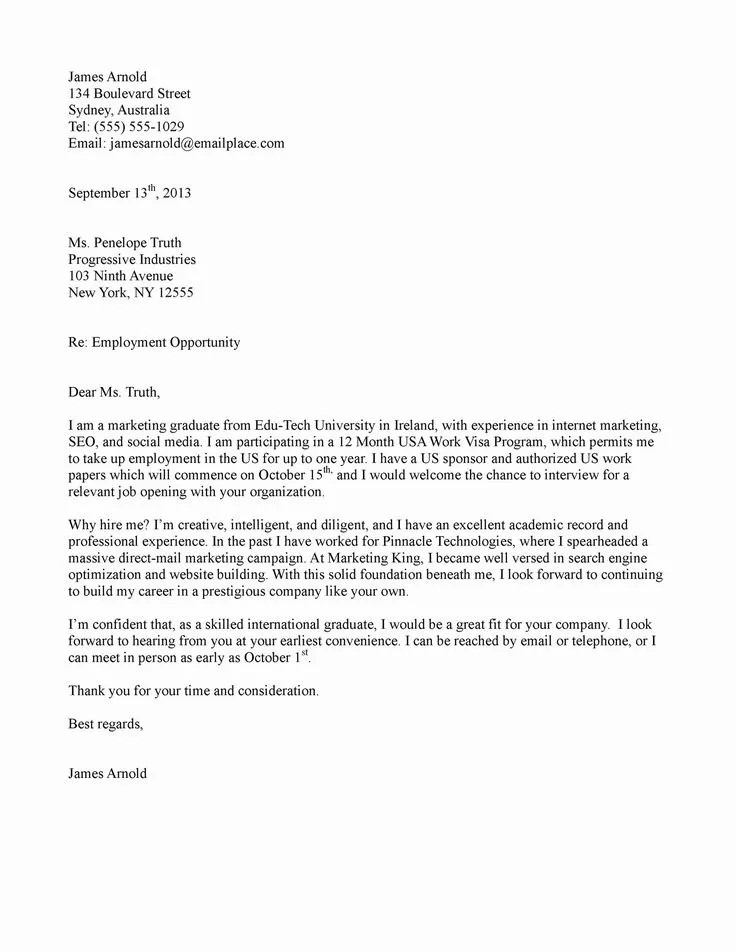
What is a Work Application Cover Letter?
A work application cover letter is a crucial document that accompanies your resume when applying for a job. It serves as an introduction, providing the hiring manager with a snapshot of your qualifications, skills, and enthusiasm for the position. Unlike a resume, which is a factual summary of your experience, a cover letter allows you to express your personality and explain why you are the perfect fit for the role and the company. It’s your opportunity to make a strong first impression and persuade the employer to read your resume and consider you for an interview. A well-written cover letter can significantly increase your chances of landing an interview, setting you apart from other applicants. Writing a compelling cover letter is an essential step in the job application process that should not be overlooked.
The Purpose of a Cover Letter
The primary purpose of a cover letter is to introduce yourself and your application to a potential employer. It’s your first chance to make a positive impression and demonstrate your interest in the specific job opportunity. A cover letter allows you to elaborate on your resume, highlighting relevant skills, experiences, and achievements that directly align with the job requirements. Moreover, it provides context for your qualifications, explaining how your background makes you a suitable candidate. The letter also showcases your writing skills and communication abilities. Furthermore, a well-crafted cover letter enables you to express your enthusiasm for the company and the role, demonstrating your genuine interest and motivation. It gives you the platform to articulate your career goals and how they align with the company’s objectives. Ultimately, the purpose is to convince the hiring manager to invite you for an interview.
Essential Components of a Work Application Cover Letter

A strong work application cover letter includes several essential components designed to capture the hiring manager’s attention and convey your suitability for the job. The structure typically begins with your contact information, followed by the date and the recipient’s contact details. Next, an engaging introductory paragraph states the position you are applying for and how you learned about the opportunity. The main body of the letter should highlight your skills and experience relevant to the job description. This section should showcase your accomplishments, using specific examples and quantifiable results whenever possible. You should tailor this section to demonstrate your understanding of the company’s needs and how your skills align with their goals. Finish with a compelling closing paragraph that reiterates your interest and includes a clear call to action, such as requesting an interview. Ensure the formatting is professional and easy to read, and proofread the letter meticulously to eliminate errors.
Contact Information
Begin your cover letter with your full name, address, phone number, and email address at the top. This information is crucial for the employer to easily reach you. Ensure your email address is professional-sounding; avoid using nicknames or unprofessional language. The contact information should be formatted clearly and concisely, typically left-aligned. Following your contact details, include the date, and then the hiring manager’s name and title (if known), the company name, and the company’s address. Addressing the letter to a specific person, if possible, demonstrates that you have researched the company and are genuinely interested in the role. This attention to detail can set you apart from candidates who use a generic greeting. Proper contact information is not only essential for communication, but it also presents you as organized and professional, establishing a strong initial impression.
The Introductory Paragraph
The introductory paragraph is your opportunity to grab the hiring manager’s attention from the start. Begin by clearly stating the position you are applying for and where you saw the job posting. Briefly mention why you are interested in the role and the company, showcasing your initial enthusiasm. Avoid generic statements; instead, try to make a specific connection. For instance, mention a recent project, company achievement, or value that resonates with you. The goal is to immediately convey your understanding of the role and demonstrate that you have done your research. This paragraph should be concise, typically only 3-4 sentences long, and should set the tone for the rest of your letter. Creating a compelling introduction can significantly increase your chances of the hiring manager continuing to read your cover letter and, consequently, reviewing your resume.
Highlighting Your Skills and Experience

The main body of your cover letter should focus on showcasing your skills and experiences that align with the job requirements. Review the job description carefully and identify the key skills and qualifications the employer is seeking. Provide specific examples from your past experiences to illustrate how you have used these skills. Use the STAR method (Situation, Task, Action, Result) to explain how you handled specific situations and achieved positive outcomes. Quantify your accomplishments whenever possible. For example, instead of saying, “Managed social media accounts,” say, “Increased social media engagement by 30% within six months.” Tailor your examples to match the specific needs of the role and the company. Demonstrating your achievements in this way convinces the hiring manager that you are a results-oriented candidate. This section is pivotal in proving your suitability and showcasing your ability to perform the job successfully.
Tailoring Your Letter to the Job
One of the most important aspects of a successful work application cover letter is tailoring it to the specific job and company. Generic cover letters are easily recognized and often discarded. Research the company thoroughly, understand their mission, values, and current projects. This information will allow you to align your skills and experiences with their specific needs. Carefully review the job description and identify the keywords and requirements. Use these keywords in your cover letter to show that you are a good match. Personalize the letter by mentioning the company’s recent achievements, projects, or initiatives that resonate with you. Showing that you have taken the time to understand their needs demonstrates genuine interest. Tailoring your cover letter significantly increases your chances of getting noticed and shows the hiring manager that you are genuinely interested in the role and the company, not just applying for any job.
Showcasing Your Achievements
Instead of simply listing your responsibilities, use your cover letter to showcase your achievements. Highlight specific accomplishments that demonstrate your skills and impact in previous roles. Use the STAR method (Situation, Task, Action, Result) to provide context and evidence of your abilities. Focus on quantifiable results, such as how you increased sales, reduced costs, improved efficiency, or exceeded targets. For instance, if you improved customer satisfaction, mention by how much. Provide specific examples of how you have solved problems, overcome challenges, or implemented successful strategies. This demonstrates your ability to produce tangible results and contribute to the company’s success. When showcasing your achievements, ensure they align with the requirements of the job. This focus on achievements gives hiring managers a clear understanding of the value you can bring to their organization. Highlighting your accomplishments makes your cover letter compelling and memorable.
Demonstrating Your Enthusiasm

Demonstrating your enthusiasm for the role and the company is vital in a work application cover letter. Express your genuine interest in the position and explain why you are excited about the opportunity. This is your chance to convey your passion for the work and your desire to contribute to the company’s success. Research the company and mention specific aspects that attract you, such as their mission, values, recent projects, or industry leadership. Explain how your career goals align with the company’s objectives. Show that you are not just looking for a job, but seeking a career where you can make a meaningful impact. Demonstrate your understanding of the role and how your skills and experience make you a perfect fit. Use positive and energetic language throughout your letter. Expressing your enthusiasm shows the hiring manager that you are motivated, engaged, and eager to contribute, increasing your chances of getting an interview.
The Closing Paragraph and Call to Action
The closing paragraph of your cover letter is your final opportunity to leave a lasting impression. Reiterate your interest in the position and the company. Thank the hiring manager for their time and consideration. Include a clear call to action. This typically involves requesting an interview and expressing your availability. For example, you could say, “I am eager to discuss my qualifications further and am available for an interview at your earliest convenience.” Make sure your closing is polite, professional, and enthusiastic. Avoid generic phrases; instead, make it clear that you are ready to take the next step in the application process. Provide your contact information again, especially your email address and phone number, making it easy for them to reach you. A strong closing paragraph leaves a positive impression and ensures that the hiring manager knows you are keen on the opportunity and ready to move forward.
Formatting and Presentation
Formatting and presentation are crucial in a work application cover letter. A well-formatted letter is easy to read and demonstrates your attention to detail. Use a professional font, such as Times New Roman, Arial, or Calibri, in a size between 10 and 12 points. Maintain consistent spacing throughout the letter, with single spacing within paragraphs and a double space between paragraphs. Use left alignment, and avoid justifying the text. Keep the letter concise, ideally one page long. Break up large blocks of text with headings and bullet points to improve readability. Ensure proper margins (typically one inch on all sides). Choose a simple, clean layout. Proofread the letter carefully to eliminate grammatical errors and typos. A well-formatted cover letter conveys professionalism and respect for the reader’s time, increasing the likelihood that the hiring manager will read it carefully. This attention to detail reflects your care and professionalism as a candidate.
Proofreading and Editing Your Cover Letter

Proofreading and editing are essential steps in ensuring your work application cover letter is polished and professional. Errors in grammar, spelling, and punctuation can significantly detract from your credibility and reduce your chances of landing an interview. After writing your cover letter, take time to carefully proofread it. Read it aloud to catch any awkward phrasing or errors. Use spell-check and grammar-check tools, but do not rely on them entirely; they can miss subtle mistakes. Have someone else read your cover letter. A fresh pair of eyes can often spot errors that you may have missed. Pay attention to the tone and style of your letter. Ensure it is professional, enthusiastic, and aligns with the company’s culture. Check that your contact information is correct and up-to-date. Carefully proofreading and editing your cover letter demonstrates your attention to detail and commitment to excellence, leaving a positive impression on the hiring manager.
Common Mistakes to Avoid in a Cover Letter
Several common mistakes can undermine the effectiveness of your work application cover letter. Avoid generic cover letters that are not tailored to the specific job or company. They show a lack of interest and effort. Do not simply restate your resume; instead, elaborate on your experiences and highlight achievements. Avoid grammatical errors, typos, and poor formatting. Always proofread meticulously. Do not use jargon or overly complex language; keep your writing clear and concise. Avoid being negative or making excuses. Do not include irrelevant information or personal details that are not pertinent to the job. Avoid exaggerating your skills or lying about your experience. Avoid using clichés or overused phrases. Do not exceed one page in length. By avoiding these common pitfalls, you significantly increase your chances of creating a strong and effective cover letter that impresses the hiring manager.
Using Action Verbs
Using strong action verbs is crucial in writing a compelling work application cover letter. Action verbs bring your accomplishments to life and demonstrate your abilities to the hiring manager. When describing your experiences and achievements, start each bullet point or sentence with an action verb. Examples of effective action verbs include: managed, led, developed, implemented, increased, improved, created, achieved, launched, and coordinated. Avoid passive language and use verbs that highlight your active role and contributions. For instance, instead of “Responsibilities included managing social media accounts,” write, “Managed social media accounts, increasing engagement by 30%.” Using action verbs makes your cover letter more engaging, impactful, and memorable. They effectively communicate what you have achieved and contribute to your overall professionalism.
Cover Letter Examples and Templates

Utilizing cover letter examples and templates can be a helpful starting point when crafting your own work application cover letter. Many online resources offer various cover letter templates tailored to different industries, job titles, and experience levels. These templates provide a basic structure and layout that you can adapt to your specific needs. When using a template, customize it to reflect your unique skills, experiences, and the job requirements. Do not simply copy and paste a template; instead, use it as a guide to create an original cover letter that showcases your personality and qualifications. Analyze various cover letter examples to understand how to structure the letter, write compelling content, and effectively highlight your achievements. Pay attention to the language used, the tone, and the formatting. Adjust the templates to align with your brand and the specific job you are applying for. By leveraging these resources, you can create a well-structured, professionally written cover letter that significantly increases your chances of landing an interview.